Shrubs
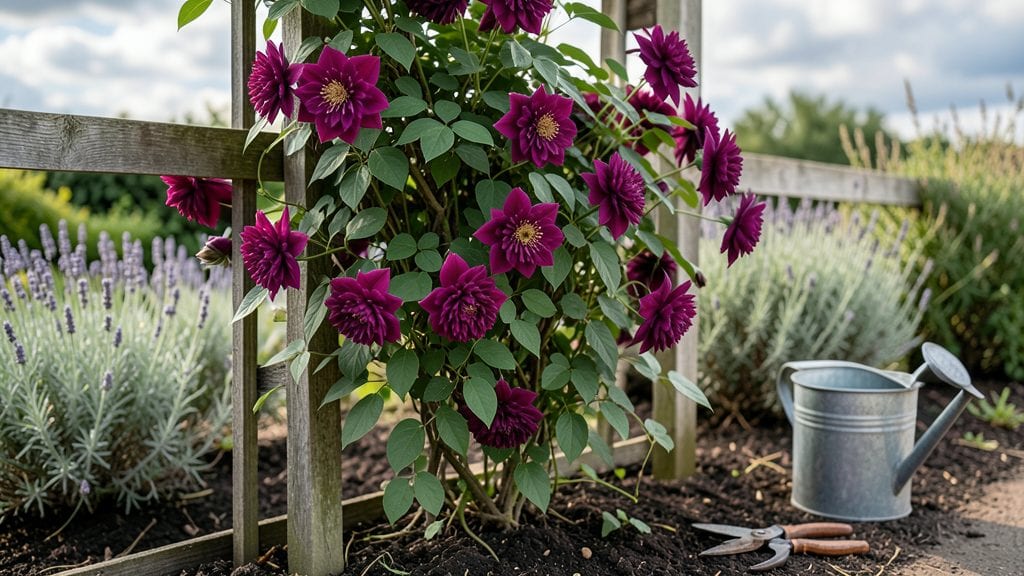
Double flowering clematis varieties like 'Nelly Moser' and 'Jackmanii' transform any garden into a vertical masterpiece, but their secret lies in the right pruning approach—one that most gardeners get wrong.
I’ve battled leggy vines and sparse blooms for years until I discovered the simple three-step pruning system that keeps them lush and flowering all season. The key isn’t just when you cut, but how you support those heavy blooms so they don’t snap under their own weight.
You’ll need a sturdy trellis or arbor (think 6-8 feet tall for full varieties), well-draining soil mixed with compost, and a sharp pair of pruners. Most mistakes start with overwatering—clematis roots need moisture, but soggy soil invites rot.
Instead, water deeply once a week (more in extreme heat) and mulch to retain moisture without drowning the roots. The real magic happens in late winter when you prune back the previous year’s growth to encourage fresh, vigorous shoots.
By mid-summer, you’ll be rewarded with dense clusters of blooms that last longer than single-flowering types, and the fragrance alone makes it worth the effort. The vines will climb higher, fill out faster, and produce repeat blooms if you deadhead spent flowers regularly.
This isn’t just about pretty flowers—it’s about creating a garden feature that thrives for decades with minimal fuss once you get the basics right.
Works for both sunny borders and partial shade spots, and the same principles apply whether you’re growing them on a fence, arbor, or even a sturdy wall. Let’s get those vines blooming like crazy this season—here’s exactly how to make it happen.
📚 In This Guide
- What you need
- Instructions
- Tips and common mistakes
- Wrapping up and next steps
What you need
- ● Double Flowering Clematis Plant: 1-3 healthy nursery-grown plants (choose varieties like 'Nelly Moser', 'Jackmanii', or 'Princess Diana' for stunning blooms)
- ● Ensure roots are well-developed and free of damage
- ● Soil & Fertilizer: Well-draining, moisture-retentive soil (amend with compost or peat moss if needed)
- ● Balanced 10-10-10 fertilizer (1 lb per plant) or slow-release granules
- ● Organic mulch (2-3 inches of shredded bark or wood chips)
- ● Support Structures: Trellis, arbor, or obelisks (5-8 ft tall) for climbing varieties
- ● Strong garden twine or flexible plant ties (for securing vines)
- ● Pruning Tools: Sharp bypass pruners (for clean cuts)
- ● Loppers (for thicker stems, if needed)
- ● Disinfectant (rubbing alcohol or bleach solution) to sterilize tools
- ● Watering Supplies: Drip irrigation system or soaker hose (to keep roots consistently moist)
- ● Watering can (for hand-watering young plants)
- ● Epsom salt (for magnesium boost, especially in sandy soils)
- ● Clematis-specific foliar spray (to prevent powdery mildew)
- ● Garden gloves (to protect hands during pruning)
- ● Stakes or plant supports for early-season vines
Instructions for pruning double flowering clematis
Here’s the straightforward method I’ve used to keep my clematis blooming abundantly for years—no guesswork involved.
Identify Your Clematis Group and Prune Time
Double flowering clematis typically fall into Group 3, which blooms on both old and new wood. Prune them right after their first flush of flowers in late spring, usually around mid-May to early June. This ensures you don’t cut off next year’s blooms while still encouraging fresh growth for a second flush in late summer or fall. If you miss this window, wait until just after the first bloom cycle before pruning.
I always check the stems for last year’s flower buds—these are the ones you want to preserve. If you’re unsure, take a close look at the base of the plant where the thickest stems emerge. These are the main structural supports for future blooms. Never prune before the first flowers appear, as this can stunt the plant’s ability to rebloom.
Remove Dead or Weak Growth
Start by inspecting the entire plant for dead, diseased, or crossing stems. Dead stems are easy to spot—they’re brown, brittle, and won’t bend without snapping. Diseased stems may have black spots or a fuzzy mold. Remove these immediately with clean, sharp pruners, cutting back to healthy green tissue. Crossing stems compete for nutrients, so trim one of the two if they rub against each other.
Next, look for weak or spindly growth—these are the thin stems that don’t have the strength to support heavy blooms. These can be pruned back to a strong, outward-facing bud or branch. I like to make my cuts just above a leaf node where new growth can emerge. This ensures the plant redirects energy to stronger stems rather than wasting it on weak ones.
Thin Out Crowded Stems
Clematis thrive when they have good airflow around their stems. If your plant has more than 6-8 strong stems, it’s time to thin. Select the thickest, healthiest stems and prune the rest back to the ground. This might sound drastic, but it encourages the remaining stems to grow thicker and produce more blooms. I always leave at least 3-4 main stems to ensure the plant has enough structure to support itself.
When thinning, focus on the older, thicker stems first. These are the ones that produce the most robust blooms. If you’re unsure which stems to keep, prioritize those that are upright and well-positioned on the trellis or support structure. Avoid cutting back stems that have already bloomed unless they’re weak or diseased—these are the ones carrying this year’s flowers.
Shape the Plant for Optimal Growth
After removing dead, weak, and crowded stems, it’s time to shape the plant. Step back and look at the overall structure—you want a balanced, open shape that allows sunlight to reach the center. Clematis need full sun to partial shade, so any dense areas in the middle should be pruned to let light in. Cut back any stems that are growing inward or crossing over others.
For double flowering varieties, I like to leave 2-3 buds on each remaining stem. These buds will develop into next year’s blooms, so prune just above them to encourage strong new growth. Avoid making cuts too close to the base of the plant—this can damage the crown and reduce the plant’s ability to recover. If you’re unsure where to cut, err on the side of leaving slightly more stem than you think you need.
Clean Up and Apply Post-Pruning Care
Once you’ve finished pruning, remove all clippings from the area around the plant to prevent disease. I always sterilize my pruners with rubbing alcohol between cuts to avoid spreading pathogens. After pruning, give the plant a light application of balanced fertilizer (10-10-10) to encourage new growth. Water deeply but avoid soaking the base, as clematis roots are sensitive to rot.
In the weeks following pruning, keep an eye out for new shoots emerging from the base of the plant. These are a sign that the clematis is recovering well. If you notice any yellowing leaves or wilting, it could be a sign of stress—adjust your watering or check for pests. Mulch around the base of the plant with 2-3 inches of organic mulch to retain moisture and protect the roots from temperature fluctuations.
Tips & tricks for pruning double flowering clematis
Mastering the art of pruning double flowering clematis transforms a good plant into a spectacular one. These practical insights will help you avoid common mistakes and maximize your plant's potential for stunning repeat blooms.
Timing is Everything: The window between mid-May and early June is your target for pruning double flowering clematis. I've learned this the hard way—pruning too early can eliminate next year's flower buds, while waiting too long risks cutting off current blooms. Mark your calendar after your first flush of flowers appears, and prune within 1-2 weeks after they fade. This timing ensures you preserve both this year's blooms and next year's potential.
Visual Cues for Pruning: When shaping your clematis in Step 4, look for the classic "V" shape where stems split. This is your leaf node—the perfect spot to make cuts. For double flowering varieties, aim to leave 2-3 buds above each cut. These buds are your promise of next year's flowers, so don't be afraid to count them carefully. I always make a small mark on the stem with a pencil to remind myself where to cut if I need to step away during the process.
Equipment Essentials: Never use dull pruners—they crush stems instead of making clean cuts. I invest in sharp bypass pruners and keep them sterilized with rubbing alcohol between cuts to prevent disease spread. For larger stems, I use loppers, but always make cuts just above a bud at a 45-degree angle. This angle helps water run off the cut, reducing the risk of rot. Remember to remove all clippings from the area immediately after pruning to maintain a clean workspace.
Post-Pruning Care: After you've finished pruning, the real work begins. Apply a light layer of balanced fertilizer (10-10-10) to encourage new growth, but avoid over-fertilizing—clematis are sensitive to excess nutrients. Water deeply but keep the base slightly dry to prevent root rot. I've found that mulching with 2-3 inches of organic material helps maintain moisture levels while protecting roots from temperature swings. Watch for new shoots emerging from the base in the weeks following pruning—they're a sure sign your clematis is recovering well.
Pro Tips for Double Flowering Clematis
- Mastering the art of pruning double flowering clematis transforms a good plant into a spectacular one.
- Timing is Everything: The window between mid-May and early June is your target for pruning double flowering clematis.
- Visual Cues for Pruning: When shaping your clematis in Step 4, look for the classic "V" shape where stems split.
Frequently asked questions
Got questions about double flowering clematis?
Here are answers to the most common ones—from pruning puzzles to blooming tips—to help you grow a showstopper vine!
How do I prune double flowering clematis for maximum blooms?
Double flowering clematis (like Clematis 'Nelly Moser') bloom on both old and new wood. Prune lightly in early spring (remove dead/damaged stems) and late summer (cut back by ⅓ to encourage new growth). Avoid heavy pruning—this can reduce spring blooms!
When is the best time to plant double flowering clematis?
Plant in early spring or fall when soil temps are mild (50–70°F). Avoid summer heat or winter frost. Pair with a deep-rooted companion plant (like a hosta) to support its climbing needs until established. Mulch well to retain moisture!
Why isn’t my double flowering clematis blooming?
Check these fixes:
- Pruning timing: If pruned too late (after July), new blooms may not form.
- Sunlight: Needs 6+ hours of sun daily—partial shade can reduce flowers.
- Fertilizer: Use a balanced, phosphorus-rich feed (like 10-10-10) in spring.
- Support: Ensure it’s climbing a sturdy trellis or arbor (no flopping!).
Can I grow double flowering clematis in containers?
Yes! Choose a large pot (15+ gallons) with drainage holes and use a well-draining potting mix. Move containers to bright, sheltered spots in winter. Water regularly—container-grown clematis dry out faster. Dwarf varieties (like 'Jackmanii') work best!
How do I protect double flowering clematis from pests?
Watch for clematis wilt fungus (remove infected stems immediately) and aphids (spray with soapy water). For slugs/snails, use copper tape or beer traps. Preventative tip: Space plants for airflow and avoid overhead watering to deter disease.
Wrapping up and next steps
Double flowering clematis brings stunning, long-lasting blooms to any garden—and with the right care, you can enjoy repeat performances all season! 🌸 By mastering pruning techniques, choosing the perfect support, and keeping an eye on soil and sunlight, you’ll transform your clematis into a showstopper.
Remember, patience and consistency are key, but the rewards—vibrant, abundant flowers—are worth every effort.
Ready to elevate your garden? Grab your pruners, mark your calendar for seasonal cuts, and watch your clematis thrive! For extra inspiration, explore clematis color palettes or companion planting ideas to create a breathtaking display. Happy gardening! 🌿✨