Flowers
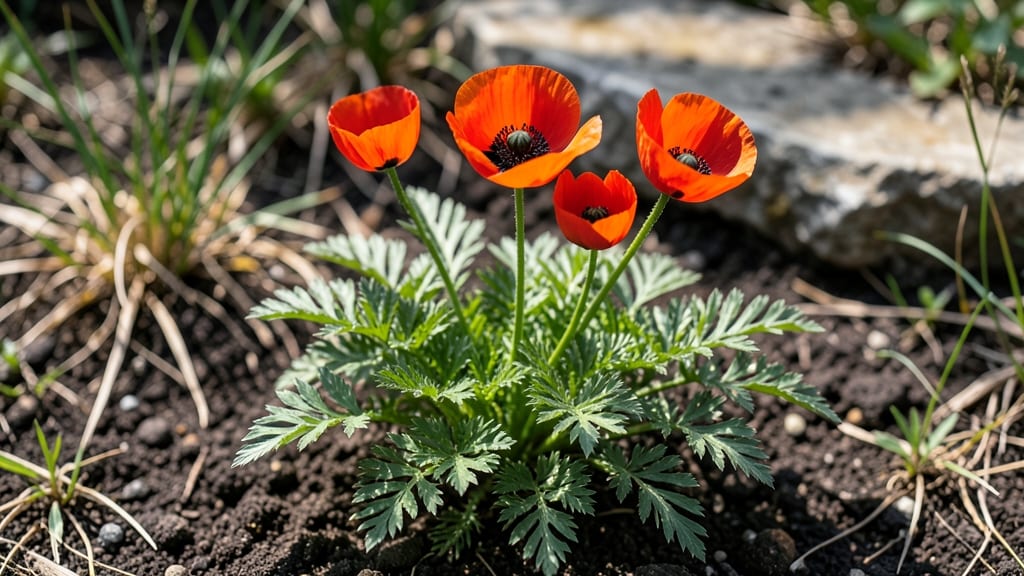
The flower of hope isn’t just a phrase—it’s a garden theme that thrives in the Ozarks’ unpredictable seasons. I planted my first "Hope Garden" after a winter that stripped bare everything but a stubborn patch of bluebells, their delicate purple bells signaling spring’s stubborn return.
That’s when I learned hope grows best where resilience is built into the roots.
This isn’t about forcing perfection—it’s about choosing plants that bounce back after frost, drought, or even deer nibbles. Think black-eyed Susans (golden and relentless), coneflowers (purple towers that last until snow), and bee balm (hot-pink fireworks that hummingbirds adore). These perennials don’t just survive—they declare victory with every bloom.
By summer’s end, your garden will be a tapestry of season-long color, where each flower tells a story of survival.
The scent of lavender on a hot afternoon, the way Russian sage sways like a silver banner in the breeze—these are the small rebellions that turn a yard into a sanctuary. Even the toughest Ozark winters can’t erase that.
Start small: a single border, a corner bed, or even containers on the porch. The key is layering heights and colors so something’s always in bloom, from the first crocus in March to the last asters in November.
Hope, after all, isn’t a single bloom—it’s the garden that keeps giving, year after year.
📚 In This Guide
- What you need
- Instructions
- Tips and common mistakes
- Wrapping up and next steps
What you need
- ● Perennial Plants: 1-2 Echinacea purpurea (Coneflower) – 3-4" pots or bare-root
- ● 1-2 Rudbeckia fulgida (Black-Eyed Susan) – 3-4" pots or bare-root
- ● 1 Asclepias tuberosa (Butterfly Weed) – 3-4" pot or seeds
- ● 1 Liatris spicata (Gayfeather) – 3-4" pot or seeds
- ● 1 Monarda didyma (Bee Balm) – 3-4" pot or bare-root
- ● Soil: 50 lbs well-draining garden soil (or native Ozark soil mix if available)
- ○ Optional: Compost (10-15 lbs) for nutrient boost
- ● Fertilizer: 1 lb slow-release, low-phosphorus fertilizer (e.g., 10-10-10 or organic options like bone meal)
- ● Gardening Tools: 1 trowel (for planting)
- ● 1 hand pruners (for trimming)
- ● 1 garden fork (for loosening soil)
- ● 1 watering can or hose with nozzle
- ○ Optional: gloves (to protect your hands)
- ● Location: Full sun to partial shade spot (6+ hours of sunlight daily)
- ● Well-draining area (avoid low spots where water pools)
- ● Timing: Best planting time: early spring (March-April) or fall (September-October)
How to establish a low-maintenance Ozark perennial garden
Here's the straightforward approach I use to create vibrant, resilient gardens that thrive through Ozark winters and summers.
Select Native Perennials for Year-Round Interest
Choose plants that naturally thrive in the Ozarks' climate and soil conditions. Focus on black-eyed Susan (Rudbeckia hirta), coneflower (Echinacea purpurea), and purple coneflower (Echinacea pallida) for their drought tolerance and long bloom periods. These perennials not only provide stunning color but also support local pollinators. I always select at least three varieties to ensure continuous blooms from early summer through fall.
For early spring color, add bloodroot (Sanguinaria canadensis) or Virginia bluebells (Mertensia virginica). These shade-tolerant plants brighten the garden before other perennials wake up. If your garden receives full sun, consider butterfly weed (Asclepias tuberosa) for its striking orange blooms and ability to attract monarch butterflies. Each plant should be selected based on its mature size and growth habit to ensure proper spacing.
Prepare the Soil for Optimal Plant Health
Test your soil's pH and nutrient levels before planting. Ozark soils often have a slightly acidic pH, which is ideal for many native perennials. If your soil is too compacted, amend it with 2-3 inches of organic compost mixed into the top 12 inches of soil. This improves drainage and provides essential nutrients for root development. I prefer to till the soil lightly to avoid disrupting the natural soil structure while incorporating the compost.
For containers or raised beds, use a well-draining potting mix combined with 20% perlite or sand to mimic the Ozarks' natural soil conditions. Water the prepared soil thoroughly before planting to help roots establish quickly. Avoid over-fertilizing, as native perennials often thrive in leaner soil conditions. Over-fertilizing can lead to weak stems and excessive foliage growth at the expense of flowers.
Plant with Proper Spacing and Depth
Dig holes that are twice as wide as the root ball but only as deep as the container the plant came in. This prevents burying the crown too deeply, which can cause rot. Gently remove the plant from its container and loosen the roots if they appear circled or compacted. Place the plant in the hole and backfill with soil, pressing lightly to eliminate air pockets. Water deeply to settle the soil around the roots.
Space perennials according to their mature size. For example, black-eyed Susans should be planted 18-24 inches apart, while coneflowers can be spaced 24-36 inches apart. Overcrowding leads to competition for nutrients and water, which weakens plants and reduces flowering. Mulch around the base of each plant with 2-3 inches of shredded bark or leaves to retain moisture and suppress weeds. Keep the mulch 2-3 inches away from the plant stems to prevent rot.
Water and Maintain for Season-Long Blooms
Water newly planted perennials deeply once a week for the first 4-6 weeks to encourage root establishment. After this period, reduce watering to every 10-14 days, depending on rainfall. Ozark-resilient perennials are drought-tolerant once established, but consistent moisture during their first season helps them thrive. Water in the early morning to reduce evaporation and prevent fungal diseases.
Deadhead spent blooms regularly to encourage continuous flowering. For perennials like coneflowers, you can leave some seed heads for winter interest and to attract birds. In early spring, trim back any dead or damaged foliage to make room for new growth. Avoid cutting back perennials in late summer or fall, as this removes the energy reserves stored in the leaves. Fertilize lightly in early spring with a balanced, slow-release fertilizer to support new growth without encouraging excessive foliage.
Tips & tricks for perfect Ozark-resilient perennial gardens
Creating a garden that thrives year-round in the Ozarks requires a few strategic adjustments to ensure your perennials flourish without constant maintenance. Here's what I've learned from years of trial and error in my own garden.
Native Plant Pairings: To maximize continuous blooms, pair plants with staggered bloom times. For example, plant Virginia bluebells in early spring for that delicate blue hue, followed by black-eyed Susans in late summer, and finish with coneflowers that bloom through fall. This creates a seamless color transition that keeps your garden vibrant from spring through frost. The key is selecting plants that naturally complement each other's growth cycles in our climate.
Soil Preparation Insight: When amending your soil with 2-3 inches of organic compost mixed into the top 12 inches, consider adding a handful of wood ash to Ozark soils—it helps neutralize any remaining acidity while providing potassium. This subtle adjustment prevents the need for additional fertilization later. I've found that this simple step makes a noticeable difference in how quickly perennials establish themselves, especially in the first growing season.
Planting Depth Technique: The rule about digging holes only as deep as the container's root ball is crucial—burying the crown too deeply can cause rot, while planting too shallowly exposes roots to temperature fluctuations. For container-grown plants, gently squeeze the root ball to encourage roots to spread outward before placing it in the hole. This technique helps create a stronger root system right from planting, which translates to more vigorous growth and better drought resistance once established.
Seasonal Maintenance Strategy: While deadheading spent blooms encourages more flowers, don't overdo it with coneflowers—leaving some seed heads adds winter interest and provides food for birds. I've created designated "wild corners" in my garden where I leave seed heads to mature naturally. This approach balances aesthetics with ecological benefits, giving your garden year-round appeal while supporting local wildlife.
Pro Tips for Flower Of Hope
- Creating a garden that thrives year-round in the Ozarks requires a few strategic adjustments to ensure your perennial...
- Native Plant Pairings: To maximize continuous blooms, pair plants with staggered bloom times. For example, plant Virg...
- Soil Preparation Insight: When amending your soil with 2-3 inches of organic compost mixed into the top 12 inches, co...
Frequently asked questions
Which Ozark perennials are the easiest to grow?
The Flower of Hope lineup thrives with minimal fuss! Start with Black-Eyed Susan (Rudbeckia) or Coneflower (Echinacea)—both handle drought, poor soil, and partial shade like champions. For bold color, Bee Balm (Monarda) is a pollinator magnet with zero drama. Pro tip: Amend clay soil with compost before planting!
When’s the best time to plant for year-round blooms?
Spring (March–April) or early fall (September–October) are ideal. Spring planting gives roots time to establish before summer heat, while fall planting avoids drought stress. For continuous color, stagger plantings: Start with Shasta Daisy (Leucanthemum) in spring, then add Russian Sage (Perovskia) in fall for winter interest.
Can I grow these in containers?
Choose compact varieties like Dwarf Coneflower (Echinacea ‘White Swan’) or Creeping Phlox (Phlox subulata) for pots. Use a well-draining mix with 30% perlite, and water containers daily until established. Bonus: Containers let you move flowers to follow sunlight (e.g., south-facing windows in winter).
How do I attract pollinators without pests?
Plant native Ozark favorites like Butterfly Weed (Asclepias tuberosa) (monarchs!) and Goldenrod (Solidago). Avoid pesticides—ladybugs and lacewings naturally control pests. Pro tip: Add a shallow water source (a saucer with pebbles) to double pollinator visits!
Will these survive harsh Ozark winters?
Yes! All Flower of Hope perennials are hardy to Zone 5–6. Mulch with 3–4 inches of straw or leaves after the first frost to insulate roots. Russian Sage and Sedum (Stonecrop) thrive in winter’s chill, while Daylilies (Hemerocallis) often bloom in early spring before other flowers wake up.
What if my flowers don’t rebloom?
Deadhead spent blooms regularly (pinch or cut just above the next set of leaves) to encourage new growth. Some perennials (like Coneflower) naturally decline in late summer—don’t panic! They’ll return stronger next year. For repeaters, try Salvia (S. nemorosa) or Phlox paniculata.
Wrapping up and next steps
The flower of hope isn’t just a burst of color—it’s a promise of resilience, beauty, and joy that thrives even in the Ozarks’ unpredictable seasons. Whether you’re a seasoned gardener or just starting, these perennials remind us that hope grows where we plant it. 🌱✨
Now that you’re armed with the right tools, tips, and tough-loving plants, take that first step: sketch your garden layout, pick your favorites, and let nature do the rest.
Watch as your flower of hope blooms into a sanctuary that lifts spirits—and maybe even inspires your neighbors to dig in too!