Flowers
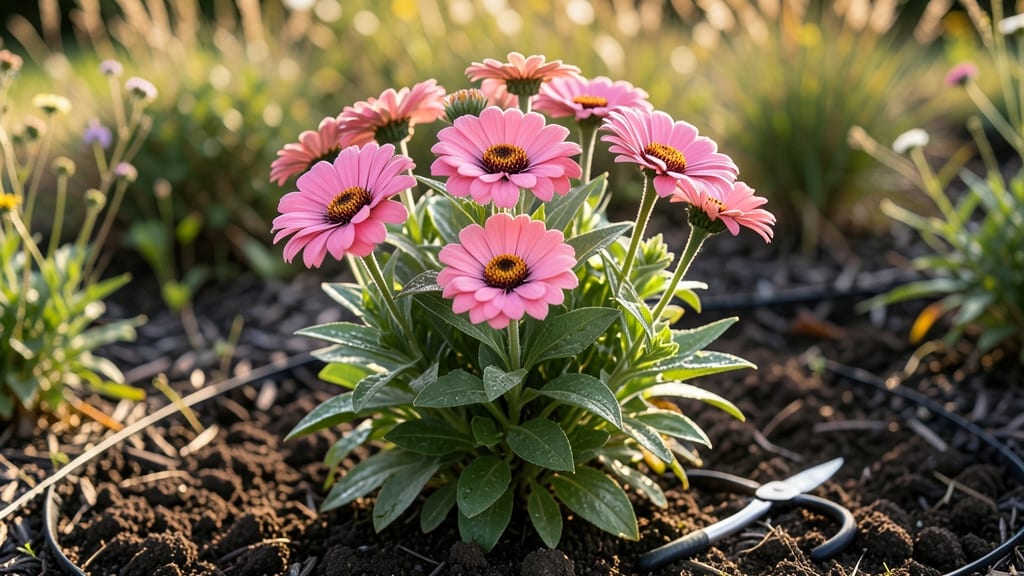
Pink zinnias aren't just flowers—they're the sun-soaked superstars of summer gardens, turning borders into vibrant canvases with their velvety petals and cheerful energy. 🌸 I fell in love with them after planting a single row in my cottage-style garden, and now they're the backbone of my pollinator-friendly design.
Their soft blush tones blend seamlessly with lavender, sage, and deep purple salvias, creating a look that's both effortless and striking.
The beauty of pink zinnias lies in their versatility—whether you're framing a front walkway, filling containers on your patio, or creating seasonal arrangements for your dining table. They thrive in full sun and bloom from early summer until frost, giving you weeks of color when many other annuals fade.
The secret to their design magic? Pair them with plants that complement their height—tall grasses or silver foliage behind them, and low-growing thyme or coreopsis in front to create visual balance.
You'll end up with a garden that buzzes with life while looking like a curated masterpiece. Butterflies and bees adore their nectar-rich blooms, making them essential for pollinator gardens, while their long-lasting cut flowers bring that same cottage charm indoors.
The key is to deadhead spent blooms regularly—this keeps them flowering nonstop and prevents leggy stems from ruining the tidy look you're aiming for.
Works beautifully in traditional cottage gardens, modern minimalist beds, or even urban containers. Here's how to make them the star of your outdoor spaces without sacrificing style or substance.
📚 In This Guide
- What you need
- Instructions
- Tips and common mistakes
- Wrapping up and next steps
What you need
- ● Pink Zinnia Seeds: Choose a variety like Zinnia elegans (e.g., 'Benary’s Giant' or 'Profusion Pink'). Buy 20-50 seeds for a small patch or 100+ seeds for a full garden bed.
- ● Well-draining potting mix or garden soil: 5-10 gallons (depending on container size or bed dimensions). Opt for a mix with 50% compost for nutrient-rich growth.
- ● Containers or garden bed: Containers: 5- to 10-inch diameter pots (1-2 plants per container) with drainage holes.
- ● Garden bed: Full sun exposure (6+ hours of direct sunlight daily) and 12-18 inches of spacing between plants.
- ● Watering can or hose with a gentle spray nozzle: Zinnias love moisture but hate soggy roots!
- ● Garden gloves: Protect your hands while handling soil or seeds.
- ● Trowel or hand shovel: For planting seeds and transplanting seedlings.
- ○ Plant labels (optional but helpful): Mark seeds with pink zinnia and planting dates.
- ● Fertilizer (balanced 10-10-10 or organic options): 1-2 tablespoons per plant every 3-4 weeks during the growing season.
- ● Pruning shears: For deadheading spent blooms (encourages more flowers!).
- ● Mulch: Straw or shredded leaves to retain moisture and suppress weeds.
- ● Pollinator-friendly companions: Plant marigolds or basil nearby to attract bees and butterflies!
- ● Slow-release fertilizer pellets: Mix into soil at planting for 2-3 months of nourishment.
- ● Decorative stakes or cages: For taller varieties (e.g., 'Benary’s Giant') to support stems.
Step-by-step guide to growing vibrant pink zinnia flowers
Here's how to coax those cheerful blooms from seed to full sun glory.
🌱 Step 1: Start Seeds Indoors or Direct-Sow After Frost
Pink zinnias thrive when started 4-6 weeks before your last frost date. I like to begin seeds indoors under grow lights because they need warmth to germinate quickly. Fill seed trays with seed-starting mix and plant seeds ¼ inch deep, spacing them 12 inches apart since they grow into sturdy plants.
Keep the soil consistently moist but not soggy—zinnias hate wet feet. Place the tray in a warm spot (70-75°F) and cover it with plastic wrap until sprouts appear, which usually takes 7-14 days. Watch for the first true leaves to emerge before removing the plastic.
Real talk: If you're in a warm climate, you can direct-sow seeds outdoors after the last frost. Just wait until soil temperatures reach 60°F—cooler soil delays germination. I always test soil warmth with a thermometer because zinnias won't sprout well in cold ground.
☀️ Step 2: Acclimate Seedlings to Full Sun and Outdoor Conditions
Once seedlings have 2-3 sets of true leaves, it's time to harden them off. Start by placing them outside in a shaded spot for 1-2 hours per day, gradually increasing exposure over 7-10 days. This toughens their stems and prevents shock when they move to the garden.
Zinnias crave full sun (6-8 hours daily), so choose a spot with maximum light. If your garden gets afternoon shade, that's fine—just avoid areas where they'll be in deep shade after noon. You'll see leggy growth if they're not getting enough light, so keep them close to the sun.
Here's the thing—zinnias grow fast, so don't wait too long to transplant. Once they're 3-4 inches tall, they're ready to move outdoors. Plant them 12-18 inches apart in well-draining soil. I dig holes twice as wide as the root ball to encourage root spread.
💧 Step 3: Water Deeply and Maintain Consistent Moisture
After transplanting, water deeply to settle the soil around the roots. Zinnias have deep taproots, so they need 1-1.5 inches of water per week. I water at the base in the morning to reduce evaporation and fungal risks. Avoid wetting the leaves—damp foliage invites powdery mildew.
Let the top 1-2 inches of soil dry out between waterings. Overwatering causes root rot, and zinnias are surprisingly drought-tolerant once established. You'll know they're thirsty when the leaves start to wilt slightly in the afternoon—just give them a good drink, and they'll perk up by morning.
Don't skip this (I learned the hard way): Mulch around plants with 2-3 inches of organic mulch to retain moisture and keep roots cool. This is especially important in hot climates where zinnias can bolt if stressed.
✂️ Step 4: Deadhead and Prune for Longer Blooms
Zinnias reward deadheading with nonstop blooms. Pinch off spent flowers with your fingers or snip them with clean scissors just above the next set of leaves. This encourages the plant to produce more buds instead of going to seed.
For bushier growth, pinch back the tips of young plants when they're 4-6 inches tall. This might seem counterintuitive—why cut off flowers?—but it forces the plant to branch out instead of growing tall and leggy. You'll see more blooms and a fuller plant within a few weeks.
Watch for powdery mildew on leaves, especially in humid climates. If you spot white powdery spots, remove affected leaves immediately and space plants 18 inches apart for better airflow. A light spray of neem oil can also help prevent fungal issues.
🌿 Step 5: Enjoy and Extend the Season
Zinnias bloom from early summer until frost, but you can cut back plants by ⅓ in early fall to encourage a second flush of flowers. This works best in mild climates where frost comes late. I always save seeds from my favorite varieties—just let a few flowers go to seed, dry them indoors, and store them in a cool, dark place.
These flowers are pollinator magnets, so sit back and enjoy the buzzing activity. Bees, butterflies, and hummingbirds will flock to your zinnias, making your garden a lively ecosystem. The more you deadhead, the longer they'll keep blooming—it's a simple trade-off for continuous color.
You've got this. With a little care, your zinnias will reward you with vibrant pink blooms all season long.
Tips & tricks for growing vibrant pink zinnia flowers
Here's what I've learned from years of growing zinnias—simple tricks that make all the difference between average blooms and showstopping pink flowers.
Soil Temperature Secret: The 60°F soil temperature isn't just a suggestion—it's critical for germination. I've seen zinnias fail to sprout when soil was just 55°F, even with warm air temperatures. Use a soil thermometer for accuracy, especially in spring when air and soil temps don't match. If your soil runs cooler, consider using black plastic mulch to warm it up faster.
Lighting Strategy: Those 6-8 hours of full sun are non-negotiable, but quality matters more than quantity. Morning sun is gentler, while harsh afternoon sun can scorch zinnias. If you're growing in containers, rotate them every few days to ensure even light exposure on all sides. I've noticed plants exposed to morning sun all day develop deeper pink hues than those getting only afternoon light.
Watering Wisdom: The 1-1.5 inches of water per week guideline assumes average conditions. In hot climates, you might need to water every 3-4 days, while cooler areas may only need weekly watering. The key is checking soil moisture—stick your finger 1-2 inches deep. If it's dry, water thoroughly at the base. I've learned that surface watering leads to powdery mildew, so always aim for the soil around the roots.
Pruning Payoff: Pinching back plants at 4-6 inches tall might seem counterintuitive, but it works wonders. I've seen plants that weren't pinched grow tall and spindly with just a few blooms at the top, while pinched plants become bushy with continuous flowers. Use clean scissors or your fingers to make the cut just above a set of leaves—this encourages new growth from that point.
Pro Tips for Pink Zinnia Flower
- Here's what I've learned from years of growing zinnias—simple tricks that make all the difference between average blo...
- Soil Temperature Secret: The 60°F soil temperature isn't just a suggestion—it's critical for germination. I've seen z...
- Lighting Strategy: Those 6-8 hours of full sun are non-negotiable, but quality matters more than quantity. Morning su...
Frequently asked questions
about pink zinnia flowers—because every gardener deserves a little clarity!How long do pink zinnias take to bloom after planting?
Pink zinnias typically bloom 60–75 days after sowing seeds, depending on your climate and growing conditions. For faster results, opt for transplants instead of seeds—they’ll often flower in 45–55 days. Patience pays off, but these cheerful blooms won’t keep you waiting long!
Are pink zinnias good for attracting pollinators like bees and butterflies?
Absolutely!
Pink zinnias are pollinator magnets—their bright petals and nectar-rich flowers draw bees, butterflies, and hummingbirds. For extra buzz, plant them alongside lantana or cosmos to create a pollinator paradise. Just avoid pesticides to keep these helpful visitors happy!
Can pink zinnias survive cold weather, or are they strictly warm-season flowers?
Pink zinnias are warm-season annuals and thrive in temperatures between 70–85°F (21–29°C). They won’t tolerate frost, so wait until after the last spring frost to plant. In cooler climates, treat them as summer ephemerals—enjoy their blooms while they last!
What should I do if my pink zinnias look leggy or stop blooming?
Leggy growth or fewer blooms often mean your zinnias need more light or deadheading. Move them to a sunnier spot (6+ hours of direct sun) and snip spent blooms to encourage new flowers. Overcrowding? Thin seedlings to 12–18 inches apart for better airflow and vigor.
Are there pink zinnia varieties with double blooms or unique colors?
Yes! Try ‘Benary’s Giant’ for double-petal pink blooms, or ‘Crystal Pink’ for a soft, velvety look. For deeper hues, check out ‘Persian Pink’ or ‘Profusion Pink’ (a disease-resistant hybrid). Pro tip: Mix varieties for a continuous color show all season!
Wrapping up and next steps
The pink zinnia isn’t just a burst of color—it’s a sun-soaked superstar that brightens gardens while supporting pollinators and adding joy to your outdoor space. Whether you’re a seasoned gardener or a beginner, these cheerful blooms prove that growing beauty can be effortless and rewarding. 🌸
Ready to dive in? Start by planting your first seeds or seedlings this weekend—your garden (and local bees!) will thank you. Happy growing!