
Flowers
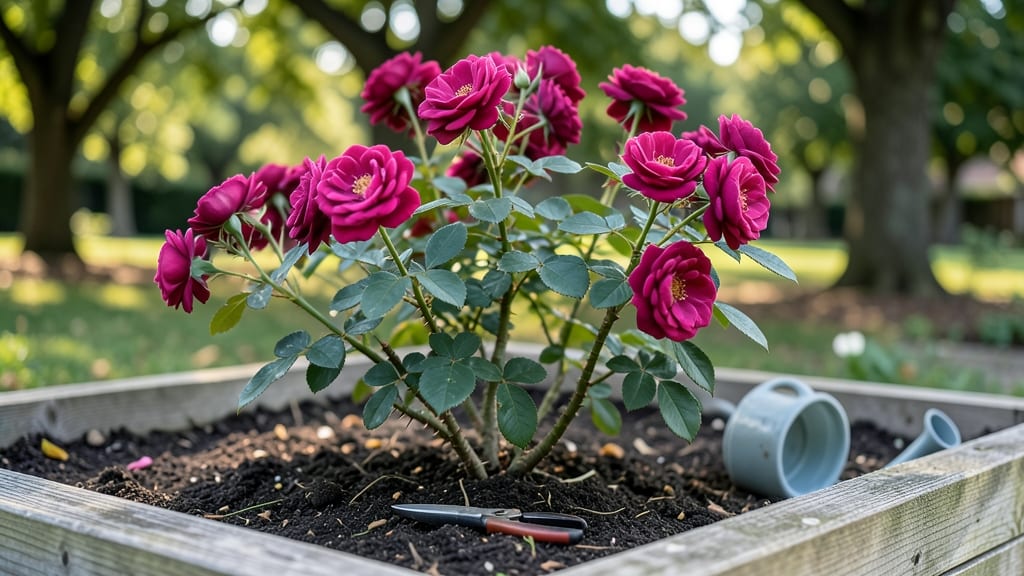
There’s nothing quite like the delicate beauty of a French rose flower unfolding in your garden—like the velvety 'Louis Philippe' or the deep crimson 'Souvenir de la Malmaison'—to turn every morning into a Parisian spring dream. 🌹 These roses aren’t just pretty; they’re fragrant, repeat-blooming powerhouses that transform any space into a romantic retreat.
The secret lies in mimicking their natural Mediterranean habitat: well-draining soil, full sun, and a little extra TLC during their first year to establish strong roots.
You’ll need a spot with at least 6 hours of sunlight daily, a mix of half organic matter (like compost) and half sandy loam, and a supportive trellis or sturdy stake for climbing varieties.
French roses thrive when watered deeply but infrequently—think 1-2 inches per week—and they adore a balanced fertilizer (like 10-10-10) applied in early spring and mid-summer. The payoff? Blooms from late spring through fall, with some varieties even offering a light winter display if protected from harsh frosts.
Pruning might sound scary, but it’s the key to keeping your roses lush and productive. Cut back 1/3 of last year’s growth in late winter, then deadhead spent blooms throughout the season to encourage more flowers.
French roses are relatively disease-resistant, but watch for black spot—a fungal nemesis—and treat it early with neem oil or copper fungicide. With the right care, your roses will reward you with fragrant canopies that last for years.
Whether you’re a beginner or a seasoned gardener, French roses adapt well to containers, small yards, or large landscapes. Start with dwarf or climbing varieties if space is limited, and always choose own-root plants (not grafted) for the hardiest results.
Once established, these roses become low-maintenance stars—just feed, water, and admire. Ready to turn your garden into a fragrant masterpiece?
📚 In This Guide
- What you need
- Instructions
- Tips and common mistakes
- Wrapping up and next steps
What you need
- ● French rose plants (choose disease-resistant varieties like 'Louis Philippe,' 'Souvenir de la Malmaison,' or 'Madame Alfred Carriere'): 1–3 bare-root plants (for spring planting) or 1–3 container-grown plants (for year-round planting)
- ● High-quality potting soil (or a mix of 60% topsoil, 30% compost, and 10% perlite for drainage)
- ● Organic fertilizer (balanced 10-10-10 or rose-specific formula, 2–3 tbsp per plant)
- ● Mulch (wood chips or straw, 2–3 inches thick to retain moisture)
- ● Pruning shears (sharp, sterilized with rubbing alcohol)
- ● Garden gloves (heavy-duty for thorn protection)
- ● Watering can or hose with a gentle spray nozzle
- ● Stakes or trellis (for climbing varieties, 5–6 ft tall)
- ● Rose food (monthly liquid feed for extra blooms)
- ● Epsom salt (1 tbsp per gallon of water for magnesium boost)
- ● Compost tea (homemade or store-bought for soil health)
- ● Fungicide (preventative spray for powdery mildew)
- ● Decorative rocks or pebbles (for a polished garden bed)
- ● Sunhat & sunscreen (because gardening under the sun is worth it! ☀️)
Step-by-Step guide to cultivating French roses for continuous fragrance
Mastering these classic climbers means understanding their love of air, light, and patience.
🌱 Step 1: Select and Prepare the Perfect Site
French roses thrive where they get 6-8 hours of morning sun and gentle afternoon shade—think dappled light under tall trees or against a north-facing wall. Avoid hot, exposed spots that dry out roots quickly. The soil should drain like a sponge squeezing out water, never holding puddles. If your yard has heavy clay, amend it with 3-4 inches of compost mixed into the top 12 inches of soil.
Here's the thing—French roses hate competition. Dig a hole twice as wide as the root ball but only as deep. Planting too deep suffocates the graft union, while too shallow leaves roots exposed to temperature swings. Loosen the roots gently if they're circling, then spread them outward like a starfish. This encourages outward growth instead of that frustrating girdling habit.
☀️ Step 2: Plant with Precision for Long-Term Health
Water the hole thoroughly 24 hours before planting to prevent root shock. When you're ready, place the rose so the graft union sits 2-3 inches above soil level—this prevents root rot from creeping upward. Backfill with native soil mixed with 1 part compost, tamping lightly every 2 inches to eliminate air pockets. A 3-inch layer of wood chips around the base keeps moisture steady and suppresses weeds.
Don't skip the support system. Install a 5-foot tall trellis or obelisk at planting time—French roses grow aggressively and need something sturdy to climb. Tie the main stem loosely with soft cloth strips (never wire, which cuts into bark). You'll see new shoots emerge within 4-6 weeks, and that's when you'll need to train them upward.
💧 Step 3: Water Deeply and Strategically
French roses demand 1-1.5 inches of water weekly, but shallow sprinkles waste it all. Instead, water deeply once a week at the base, aiming for the roots—not the leaves. Early morning is best to prevent fungal spores from settling overnight. You'll know you've done it right when the top 6 inches of soil stay moist but the surface dries slightly between waterings.
Real talk: Overwatering kills French roses faster than drought. If the soil feels damp more than 2 inches down, hold off. Mulch acts like a moisture blanket, so refresh that 3-inch layer annually in spring. And here's a pro move—install a drip irrigation line at planting time. It delivers water right where roots need it, without wetting foliage.
✂️ Step 4: Prune for Abundance and Fragrance
Prune twice a year: once in late winter (before buds swell) to shape the plant, and again after the first flush of blooms in early summer to encourage reblooming. Remove dead, crossing, or inward-growing stems first—they steal energy from fragrant blooms. Then cut back one-third of the oldest canes to the ground to rejuvenate growth.
For French roses, the secret to fragrance is thinning spent blooms. Snip off faded flowers just above a set of 5 leaves to redirect energy into new buds. Avoid heavy pruning after mid-summer—it stunts fall blooms. You'll see the difference in 3-4 weeks: fuller canopies and that signature French rose perfume wafting through your garden.
🌿 Step 5: Feed and Protect for Year-Round Blooms
French roses are heavy feeders, but timing matters. In early spring, apply a balanced 10-10-10 fertilizer (using ½ cup per plant) when new shoots appear. Switch to a low-phosphorus formula (5-10-5) in summer to promote blooms over leaves. Water thoroughly after each feeding to prevent root burn. I swear by fish emulsion in late summer—it gives them a phosphorus kick without the salt buildup.
Watch for black spot (those ugly purple spots on leaves). The instant you see it, spray with neem oil (mix 1 tablespoon per gallon of water) and remove infected leaves. French roses are tough, but black spot weakens them. Also, deaden the soil in fall by top-dressing with 4 inches of compost—it feeds roots while insulating them through winter. With this care, your French roses will bloom from early summer to first frost.
Tips & tricks for perfect French rose cultivation
Between us, these French roses aren't just plants—they're fragrant canopies that reward precision. Here's what nobody tells you about making them thrive.
Site Selection Secret: That 6-8 hours of morning sun is non-negotiable, but the afternoon shade needs to be gentle—think filtered light through leafy branches, not harsh afternoon glare. I've seen roses in full sun wither by midday, while those with dappled afternoon light produce blooms from June to frost. Test your spot by observing how sunlight moves across it throughout the day before committing.
Root Training Technique: When you spread those roots outward like a starfish in Step 1, don't just fluff them—tease the circling roots apart with your fingers. This prevents that girdling habit where roots strangle the plant. I've found that gently massaging the roots while they're submerged in water (for 10-15 minutes before planting) helps them relax even more. The goal is to encourage roots to spread horizontally, not circle upward.
Watering Wisdom: That 1-1.5 inches weekly is a guideline, but timing matters more. I water mine between 6-8am when temperatures are coolest, and I always water the soil—not the leaves. The telltale sign of proper watering? The top 6 inches of soil should feel like a wrung-out sponge: moist but not soggy. Overwatering is the silent killer—French roses in soggy soil develop root rot faster than you can say "black spot."
Pruning Precision: When you're thinning spent blooms in Step 4, cut just above that set of 5 leaves using clean, sharp shears. The angle matters—cut at a 45-degree angle to prevent water from pooling on the stem. I've noticed that roses pruned this way produce blooms that last 2-3 days longer than those with flat cuts. And here's a pro move: After summer pruning, I spray the cuts with diluted neem oil (1 tsp per gallon of water) to prevent fungal infections.
Pro Tips for French Rose Flower
- Between us, these French roses aren't just plants—they're fragrant canopies that reward precision. Here's what nobody...
- Site Selection Secret: That 6-8 hours of morning sun is non-negotiable, but the afternoon shade needs to be gentle—th...
- Root Training Technique: When you spread those roots outward like a starfish in Step 1, don't just fluff them—tease t...
Frequently asked questions
Got questions about cultivating your own French rose? You’re not alone! Here are answers to the most common queries—from planting to pruning—so you can grow a fragrant, show-stopping garden feature with confidence.
How do I choose the best location for French roses?
French roses thrive in full sun (6+ hours daily) and well-draining soil. Avoid soggy spots—waterlogged roots lead to disease. A south- or west-facing spot with afternoon shade in hot climates (like Provence) is ideal. Pro tip: Amend heavy clay with compost to improve drainage!
When is the best time to plant French roses?
Plant bare-root roses in early spring (March–April) or fall (October–November) for best results. Container-grown roses can go in anytime, but avoid extreme heat or frost. Bonus: Fall planting gives roots time to establish before winter!
How often should I prune French roses, and when?
Prune once in late winter (before buds swell) and lightly after blooming. Remove dead/diseased wood, shape for airflow, and cut back 1/3 of old growth to encourage new blooms. Warning: Avoid heavy pruning in fall—it stresses the plant!
What pests or diseases should I watch for with French roses?
Common threats include aphids, spider mites, and black spot fungus. Prevent pests with neem oil; treat fungal issues by removing infected leaves and applying fungicide. Healthy soil = happy roses! Keep foliage dry and mulch to deter pests.
Can I grow French roses in containers, or do they need a garden bed?
Yes! Choose a large pot (15+ gallons) with drainage holes and use well-draining potting mix. Dwarf varieties like ‘Souvenir de la Malmaison’ are perfect for containers. Key: Water regularly and fertilize monthly during growing season.
Wrapping up and next steps
Growing French rose flowers is a rewarding journey that brings beauty, fragrance, and joy to your garden year-round! 🌹 With the right soil, sunlight, and care, you can cultivate a stunning canopy of blooms that will be the envy of your neighborhood.
Whether you're a beginner or a seasoned gardener, these fragrant beauties are well worth the effort.
Now that you’re armed with the knowledge, take the next step—plant your first French rose today! Start small, experiment with varieties, and let your garden become a haven of color and scent. Happy gardening! 🌿