
Flowers
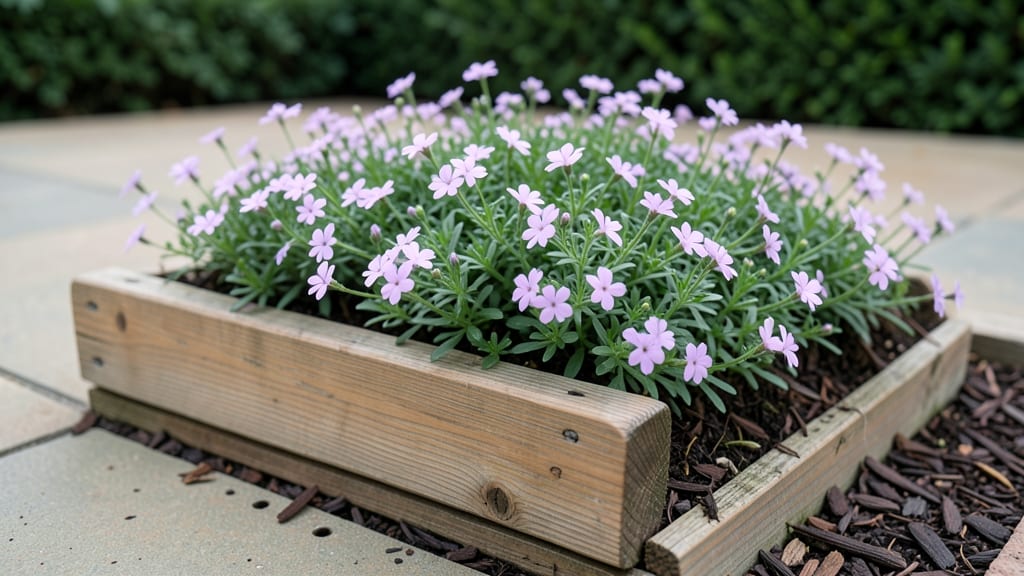
Transforming bare ground into a ground flower box is like giving your yard a second chance—it’s drama without the fuss. I started with a simple wooden frame, some cheap lumber, and a vision for turning a dull corner into a riot of color.
The best part? You don’t need a green thumb or a massive yard to make it happen.
These boxes come in all shapes: raised beds for bold, layered displays, window boxes hugging walls for vertical charm, or in-ground planters that blend seamlessly with your landscape. The key is matching the box to your space—tall for drama, wide for sprawling blooms, or shallow for delicate annuals.
My first box used cedar for durability, but metal or composite options work too if you want low-maintenance.
What you’ll end up with is a lush, low-maintenance display that blooms all season. Picture sun-kissed petunias spilling over edges, snapdragons standing tall in the back, and lavender adding a fragrant touch.
The soil stays moist but drains well, and weeds struggle to take over—just a few minutes of care keeps it thriving. Even my neighbor’s skeptical “that’ll wilt by July” comment got shut down by the second year.
Works for patios, porches, or empty garden corners—no digging required. Let’s get you started with the right plants, soil, and design tricks to make yours the envy of the block.
📚 In This Guide
- What you need
- Instructions
- Tips and common mistakes
- Wrapping up and next steps
What you need
- ● Flower box frame: Pre-made wooden box (12"–18" deep, 24"–36" wide, 6"–8" tall) or materials to build one (e.g., cedar or redwood planks—1x6" or 1x8", 4–6 ft long, 2–4 pieces depending on size). Pro tip: 💡 Use pressure-treated wood for longevity!
- ● Liner: Landscape fabric (cut to fit inside the box) or plastic liner (for moisture retention).
- ● Drainage: Perforated drain pipe (½" diameter, 12"–18" length) or gravel/rocks (1–2 inches at the bottom).
- ○ Potting soil: High-quality, well-draining potting mix (1–2 cubic feet, depending on box size). Optional: Mix in compost (10–20%) for extra nutrients!
- ● Flowering plants: 3–5 small plants (e.g., petunias, geraniums, or succulents). Choose varieties suited to your climate and sunlight.
- ● Hardware: Galvanized screws/nails (2–3 inches long, 8–12 pieces) or corner brackets (for assembly).
- ● Mounting brackets/supports: Heavy-duty L-brackets or wall anchors (if attaching to a wall or fence).
- ● Decorative touches: Paint/stain (weather-resistant), trim moldings, or hanging lights for ambiance.
- ● Automatic watering: Drip irrigation kit or self-watering reservoir (for low-maintenance gardens).
- ● Erosion control: Coir fiber or landscape staples to secure soil in windy areas.
- ● Portability: Wheels or casters (if designing a movable flower box).
- ● Measuring tape and pencil (for marking cuts).
- ● Drill/driver (with drill bits and screwdriver bits).
- ● Saw (hand saw, circular saw, or miter saw for clean cuts).
- ● Level (to ensure your box is straight).
- ● Screwdriver or hammer (for assembly).
- ● Gloves and safety glasses (for handling materials).
Step-by-step instructions for building stunning ground flower boxes
Transform narrow spaces into vibrant displays with these simple, foolproof steps.
Choose the Perfect Location and Box Design
Pick a spot with at least 6 hours of sunlight daily—most annuals and perennials thrive there. I always check for level ground first; uneven surfaces make water drainage tricky. If your space is narrow, like a sidewalk or alley, opt for a 3-foot-wide box to maximize vertical impact without overwhelming the area.
For height, standard ground flower boxes sit 8-12 inches tall, but deeper boxes (up to 18 inches) let you grow taller plants like salvia or delphinium. Sketch a rough layout: mark where the box will sit, then measure 12 inches back from the edge to leave room for planting and maintenance.
Gather Materials and Prep the Base
You’ll need rot-resistant wood (cedar or redwood), landscape fabric, soil, and mulch. Cut the wood to your desired dimensions—most boxes run 4 feet long, 12 inches wide, and 12 inches deep. Line the bottom with landscape fabric to block weeds and retain moisture, stapling it securely to the sides.
Before adding soil, level the ground where the box will sit. Use a shovel to scrape away rocks or debris, then tamp the soil firmly. If your space has poor drainage, elevate the box on bricks or pavers to prevent soggy roots. I always add a 1-inch layer of gravel at the bottom for extra drainage—this step saves plants from root rot.
Layer Soil and Plant for Long-Lasting Color
Fill the box with a mix of topsoil and compost (I use a 50/50 blend) to about 2 inches from the top. Plant taller flowers at the back, medium-height varieties in the middle, and trailing plants like lobelia or sweet potato vine at the front. Space plants 6-12 inches apart, depending on their mature size.
Water deeply after planting to settle the soil and encourage root growth. Mulch the surface with 2-3 inches of shredded bark or pine needles to retain moisture and suppress weeds. Here’s the trick: water lightly every other day for the first two weeks—this helps roots establish before the heat sets in.
Maintain for Season-Long Beauty
Check soil moisture daily during hot spells—stick your finger 1 inch deep; if it’s dry, water thoroughly. Feed plants with a balanced liquid fertilizer every 4-6 weeks to keep blooms vibrant. Deadhead spent flowers regularly to encourage more blooms, especially with annuals like petunias or zinnias.
Watch for pests like aphids or slugs; a neem oil spray or diatomaceous earth keeps them at bay without harming your plants. In fall, remove annuals and refresh the soil with compost before replanting perennials or winter-hardy flowers like pansies.
Tips & tricks for perfect ground flower boxes
Here's what I've learned after designing dozens of these—small details make all the difference in your vertical garden's success.
Sunlight Strategy: That "at least 6 hours of sunlight" rule is non-negotiable for most annuals, but here's the thing: morning sun (east-facing boxes) works better than harsh afternoon sun (west-facing) in hot climates. If your space only gets partial sun, choose shade-tolerant plants like impatiens or ferns instead of sun-lovers like zinnias. I've seen boxes with 4 hours of morning sun thrive with the right plant selection.
Drainage is Everything: The 1-inch gravel layer at the bottom is your secret weapon against root rot. If you're working with clay soil or a basement wall, consider adding a second drainage layer—use crushed stone instead of gravel for even better water flow. And here's a pro move: drill small holes in the bottom of your wood box if you're building from scratch, then line with landscape fabric to keep soil in while allowing water to escape.
Plant Placement Pro Tip: When arranging your 50/50 soil-compost mix in Step 3, create gentle mounds for taller plants at the back. This visual trick makes your box look fuller and more intentional. For trailing plants like sweet potato vine, tuck them into the sides where they'll cascade beautifully. I always plant mine about 6 inches from the edge so they have room to spill over without falling out completely.
Watering Wisdom: Those first two weeks of light watering every other day are crucial, but don't set a rigid schedule—check moisture by sticking your finger 1 inch deep as mentioned. In extreme heat, you might need to water daily instead. A good rule of thumb: if the mulch looks dry, it's time to water. And here's a time-saver: use a soaker hose or drip irrigation system to deliver water directly to the roots without wasting water on leaves.
Pro Tips for Ground Flower Boxes
- Here's what I've learned after designing dozens of these—small details make all the difference in your vertical garde...
- Sunlight Strategy: That "at least 6 hours of sunlight" rule is non-negotiable for most annuals, but here's the thing:...
- Drainage is Everything: The 1-inch gravel layer at the bottom is your secret weapon against root rot. If you're worki...
Frequently asked questions
Got questions about ground flower boxes?
You’re not alone! Here are answers to some of the most common queries to help you get started with confidence.
What’s the best time of year to plant a ground flower box?
The ideal time depends on your climate, but spring (after the last frost) is usually best for most annuals and perennials. In warmer regions, fall planting can give flowers a head start. Cool-season bloomers like pansies thrive in early spring or late summer. Always check seed packets or plant tags for specific timing!
How often should I water ground flower boxes?
Watering frequency depends on soil, sun exposure, and plant types. As a general rule, water deeply 2–3 times per week in hot, dry weather, and reduce to once a week in cooler or rainy conditions. Pro tip: Use a moisture meter or check soil 1–2 inches down—if it’s dry, it’s time to water! Mulch helps retain moisture.
Can I use regular potting soil in a ground flower box?
Not ideal! Ground flower boxes need well-draining, nutrient-rich soil mixed with compost or organic matter to prevent compaction. A blend of 60% topsoil, 30% compost, and 10% perlite or sand works well. Avoid heavy clay soil—it can suffocate roots and lead to rot.
What are some low-maintenance flowers for ground flower boxes?
If you want beauty with minimal fuss, try these hardy picks:
Pair them with self-seeding annuals like cosmos or zinnias for effortless renewal! Several factors could be at play:
Try adjusting one variable at a time to diagnose the issue!
Why aren’t my flowers blooming in the ground flower box?
Wrapping up and next steps
Ground flower boxes are a game-changer for small spaces, blending beauty, functionality, and sustainability with minimal effort. Whether you’re a seasoned gardener or a beginner, these elevated planters bring vibrant blooms and lush greenery within arm’s reach—perfect for patios, balconies, or even urban windowsills. 🌸
Ready to transform your outdoor space? Start by sketching your design, gathering your materials, and diving into planting. With a little creativity and care, you’ll soon enjoy a thriving vertical garden that turns heads and lifts spirits. Happy gardening!