
Propagation
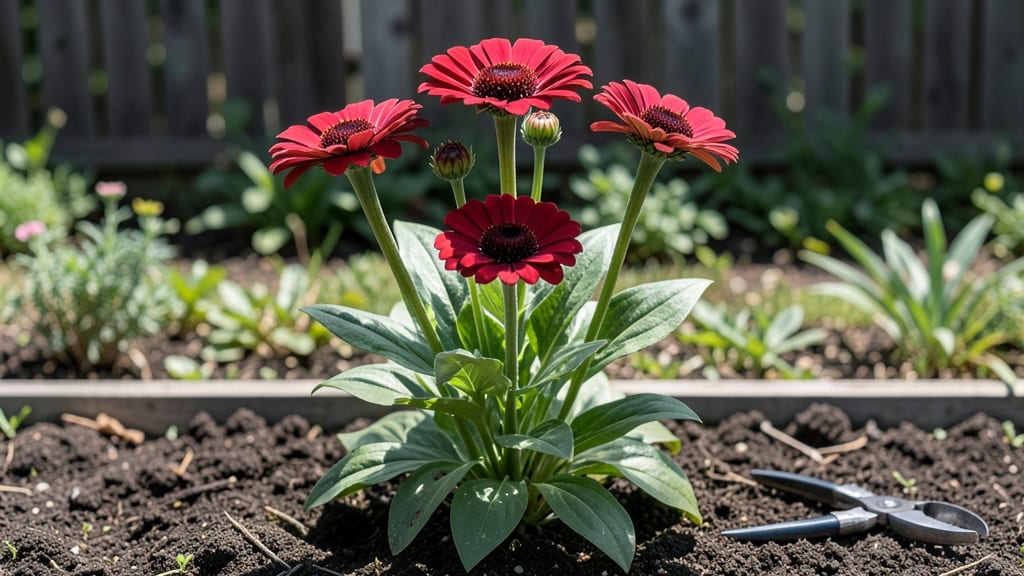
Growing zinnias from seed to flower is like watching a race where the finish line is a riot of color in just 60 days—and I’ve perfected the shortcuts to skip the waiting.
The trick starts with soil that’s warm enough to coax those tiny seeds into action, because cold soil makes them sulk for weeks.
You’ll need sunny soil (full sun, no excuses), a packet of seeds that’s fresh within the year, and a spot where you can stand tall—zinnias grow best when they’re not crowded.
My first batch last summer shot up 12 inches in three weeks once I got the light right, and the blooms kept coming until frost.
By midseason, you’ll be snipping stems for bouquets that outshine anything from the store, with petals in every shade from fiery red to deep magenta. The secret? Thin seedlings early so they don’t compete, and deadhead spent blooms to trigger nonstop reblooming all summer long.
Works in containers or garden beds, in heat or humidity—just give them space and sunlight, and they’ll reward you with months of effortless color. Let’s get those seeds planted so you can enjoy the payoff by summer’s end.
📚 In This Guide
- What you need
- Instructions
- Tips and common mistakes
- Wrapping up and next steps
What you need
- ● Zinnia seeds: 1 packet (typically 50–100 seeds) (choose varieties like 'Benary’s Giant,' 'Profusion,' or 'Crystal' for reliable growth).
- ● Seed-starting mix: 1 bag (1–2 cubic feet) (lightweight, sterile potting soil with good drainage).
- ● Containers: Seed trays or 4–6" pots (for seedlings).
- ○ Biodegradable cell packs (optional, for easy transplanting).
- ● Grow lights or sunny windowsill: 6–8 hours of light daily (or a grow light if natural light is limited).
- ● Watering can or spray bottle: Fine mist setting for seeds (avoid oversaturating).
- ● Plant labels: Small stakes or markers (to track varieties).
- ● Fertilizer: Balanced liquid fertilizer (10-10-10) (diluted to half-strength for seedlings).
- ○ Slow-release granular fertilizer (optional, for outdoor planting).
- ● Garden bed or large pots: At least 12–18" deep (zinnias need room to grow!).
- ● Well-draining soil: Mix in compost (zinnias thrive in loose, fertile soil).
- ● Mulch: Straw or shredded leaves (to retain moisture and suppress weeds).
- ○ Stakes or cages: Optional for tall varieties (like 'Benary’s Giant'—6–36" tall).
- ● Heat mat: For faster germination (especially in cool climates).
- ● Seedling heaters: To encourage early growth (70–75°F ideal).
- ● Insect netting: Protects seedlings from pests (like aphids or spider mites).
- ● Pruning shears: For deadheading spent blooms (encourages more flowers!).
Step-by-step guide to growing zinnias from seed
Ready to cultivate vibrant zinnias in record time? Here’s how to turn seeds into bold blooms in just two months.
🌱 Step 1: Start Seeds Indoors or Direct-Sow After Frost
Zinnia seeds germinate best when soil temperatures reach 60°F or warmer. If your spring is chilly, start seeds indoors 4-6 weeks before the last frost date. Fill small pots with sterile seed-starting mix and press 1-2 seeds per cell just below the soil surface—no deeper than ¼ inch. Cover lightly with mix to protect them from drying out.
Keep the soil consistently moist by misting gently with water until sprouts appear, which typically takes 7-10 days. Place the pots in a warm spot, like on top of the fridge, to encourage faster germination. If you’re direct-sowing outdoors, wait until nighttime temperatures stay above 50°F—zinnias won’t tolerate frost.
☀️ Step 2: Provide Bright Light and Thin Seedlings
Once seedlings emerge, move them to a sunny windowsill or under grow lights for 14-16 hours of light daily. Zinnias grow leggy without enough light, so keep the lights 2-4 inches above the plants and raise them as the seedlings stretch. You’ll know they’re getting enough light when the stems stay short and sturdy, and the leaves are a deep green color.
When seedlings develop 2-3 true leaves (not just the initial seed leaves), thin them to one plant per pot or 1 inch apart in the garden. Use small scissors to snip excess seedlings at soil level—this prevents overcrowding and gives remaining plants room to thrive.
🪴 Step 3: Transplant Outdoors When Soil Warms Up
After the last frost, harden off seedlings by placing them outside in partial shade for 1-2 hours the first day, gradually increasing exposure over 5-7 days. Transplant when nighttime temperatures stay above 55°F and the soil feels warm to the touch. Dig holes twice as wide as the root ball and space plants 12-18 inches apart for full-size varieties or 6-8 inches apart for dwarf types.
Water deeply after transplanting to settle the soil around roots. Avoid wetting the leaves to prevent fungal diseases like powdery mildew. Mulch with 1-2 inches of organic mulch to retain moisture and keep roots cool—zinnias love consistent moisture but hate soggy soil.
💧 Step 4: Water and Fertilize for Continuous Blooms
Zinnias need 1 inch of water per week, either from rainfall or irrigation. Water at the base of the plant in the morning to reduce evaporation and fungal risks. Let the top 1-2 inches of soil dry out between waterings—overwatering leads to weak stems and fewer blooms. Fertilize lightly with a balanced, water-soluble fertilizer (like 10-10-10) every 4-6 weeks to encourage strong growth without excessive foliage.
Deadhead spent blooms by pinching off the faded flowers with your fingers or snipping them with clean scissors. This redirects the plant’s energy into producing new flowers instead of seeds. Regular deadheading keeps zinnias blooming nonstop from summer until frost.
✂️ Step 5: Support Tall Varieties and Prevent Common Issues
Tall zinnias (like ‘Benary’s Giant’ or ‘State Fair’) may need staking or cages to prevent them from toppling over. Install supports early—once the stems are thick and woody, they’re harder to handle. Choose bamboo stakes or tomato cages for easy installation. Tie stems loosely with soft plant ties or old fabric strips to avoid damaging the stems.
Watch for aphids or spider mites, which love zinnias’ sweet sap. Spray infested plants with a soapy water solution (1 tsp mild dish soap per gallon of water) or introduce ladybugs for natural pest control. If powdery mildew appears as a white, powdery coating on leaves, improve airflow by spacing plants farther apart and avoid overhead watering.
Tips & tricks for perfect zinnia growth
Here's what I've learned to help your zinnias grow faster and stay healthier from seed to bloom.
Speed Up Germination: The 60°F soil temperature requirement is crucial, but you can create an even warmer microclimate by placing your seed trays on top of a refrigerator or in a warm, sunny spot. I've seen germination times drop to just 5-7 days when using a seedling heat mat set to 70°F—this is especially helpful if your spring is particularly cool. Just be sure to keep the soil moist but not soggy during this process.
Lighting Strategy: When providing those 14-16 hours of light daily, don't overlook the quality of light. South-facing windows provide the best natural light, but if you're using grow lights, LED bulbs with a full spectrum (especially red and blue wavelengths) work best. Position your lights just 2-3 inches above seedlings at first, then raise them as plants grow to prevent legginess. I always notice the difference in stem strength when I follow this lighting routine.
Transplanting Timing: The 5-7 day hardening off process is non-negotiable for toughening up seedlings, but you can accelerate it slightly by placing plants in a sheltered outdoor spot during the day and bringing them back inside at night. Pay special attention to the nighttime 55°F temperature requirement—zinnias are frost-sensitive, and even cool evenings can stress them. I've found that using a small greenhouse or even a clear plastic bottle with the bottom cut off works wonders for protecting tender seedlings during this transition.
Watering Wisdom: When establishing that 1 inch of water per week routine, focus on deep watering rather than frequent light waterings. This encourages deep root growth which makes plants more drought-tolerant. I've noticed that zinnias grown with this method develop stronger stems and produce more blooms. Always water at the base and avoid wetting leaves to prevent fungal diseases like powdery mildew, which can quickly ruin your plants.
Pro Tips for Zinnia From Seed To Flower
- Here's what I've learned to help your zinnias grow faster and stay healthier from seed to bloom.
- Speed Up Germination: The 60°F soil temperature requirement is crucial, but you can create an even warmer microclimat...
- Lighting Strategy: When providing those 14-16 hours of light daily, don't overlook the quality of light. South-facing...
Frequently asked questions
Got questions about growing zinnias from seed?
You’re not alone! Here are answers to the most common queries to help you cultivate stunning blooms with ease.
How long does it take for zinnia seeds to germinate?
Zinnia seeds typically sprout in 5 to 10 days after planting, depending on temperature and moisture. For faster results, keep soil consistently warm (around 70°F) and moist. If you’re impatient, try a heat mat—it can cut germination time by a few days!
Can I plant zinnia seeds directly in the garden, or should I start indoors?
You can direct-sow seeds outdoors after the last frost when soil is at least 55°F. However, starting indoors 4–6 weeks before the last frost gives you a head start, especially in cooler climates. Harden off seedlings for a week before transplanting to avoid shock.
Why aren’t my zinnia seeds sprouting? Troubleshooting tips.
If seeds aren’t germinating, check these common issues:
- Too cold: Zinnias need warmth—cover seeds with plastic or use a heat mat.
- Too dry: Keep soil damp (not soggy) until sprouts appear.
- Old seeds: Store-bought seeds last 1–2 years; test viability by soaking in water (sink = good, float = bad).
- Poor soil: Use well-draining, seed-starting mix or add compost.
How do I keep zinnias from bolting or flopping over?
Zinnias are fast-growing but short-lived—here’s how to extend their life:
- Deadhead regularly to encourage more blooms and prevent seed production (which triggers bolting).
- Stake or cage tall varieties (like ‘Benary’s Giant’) to prevent flopping in wind or rain.
- Avoid overcrowding: Space seeds 12–18 inches apart for better airflow and strength.
- Water at the base to keep foliage dry, reducing fungal diseases that weaken stems.
What’s the best way to harvest zinnia flowers for cutting?
For long-lasting cut flowers, harvest in the early morning when blooms are fully open but still firm. Snip stems at a 45-degree angle just above a leaf node, and change water every 2–3 days. To encourage more blooms, cut back stems to half their height—they’ll often regrow!
Wrapping up and next steps
Growing zinnias from seed to flower is a rewarding journey that delivers vibrant blooms in just 60 days—perfect for gardeners eager to see quick results!
With the right soil, sunlight, and care, you’ll enjoy a burst of color that attracts pollinators and brightens up any space. Don’t stop here—try experimenting with different varieties or even succession planting to keep your garden in full bloom all season long!
🌱 Your Next Step: Share the Joy!
Once your zinnias thrive, why not share seeds or cuttings with fellow gardening enthusiasts? Or, dive deeper into propagation by exploring other fast-growing annuals like sunflowers or marigolds. Happy gardening—your green thumb is making a difference! 🌺