
What changed, and what it changed for you
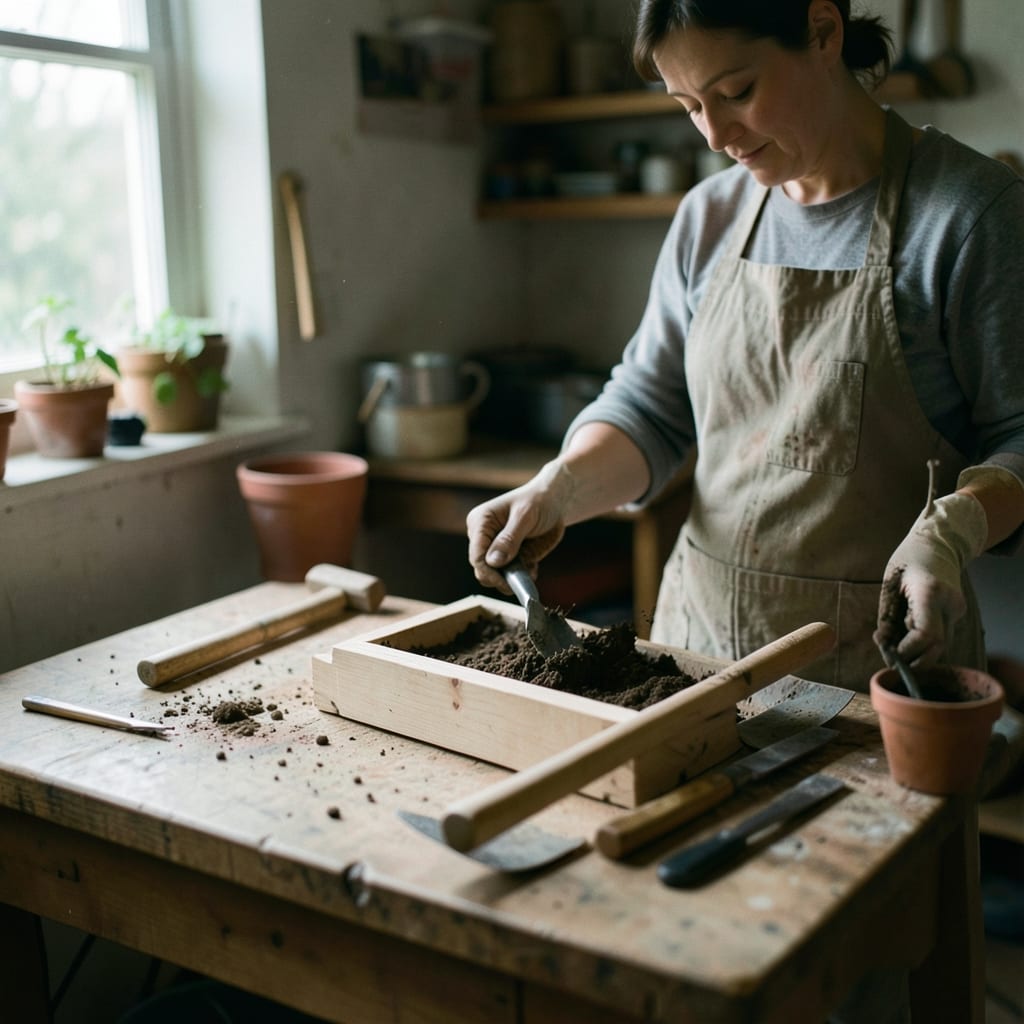
When Flower Bloom Care started, it was a scrapbook of photos: my childhood sunflowers, a friend’s overwatered ferns, a neighbor’s thriving basil. There were no soil tests, no light measurements, just hope and guesswork.
The advice was thin—‘plant in spring’—and the photos hid the truth: half the plants in them were already dying.
Now, every post is built around what actually grew. The soil mix is listed with the exact compost ratio. The light notes say whether the plant needed morning sun or dappled shade.
And if a reader emails to say their zinnia didn’t bloom, we’ll reply with the temperature range we missed—or admit we got it wrong and fix it.
| It used to be | Now it is |
|---|---|
| Photos of plants with no context | Close-ups of leaves showing pests, roots pulled to show soil health |
| ‘Water when dry’ with no schedule | Exact weekly watering for your zone, with drought tolerance flags |
| Lists of ‘best plants for beginners’ | Plants ranked by how often they fail—and how to save them |
| No mention of pests until they arrived | Early warnings like ‘aphids show up in June here’ |
The one that took years
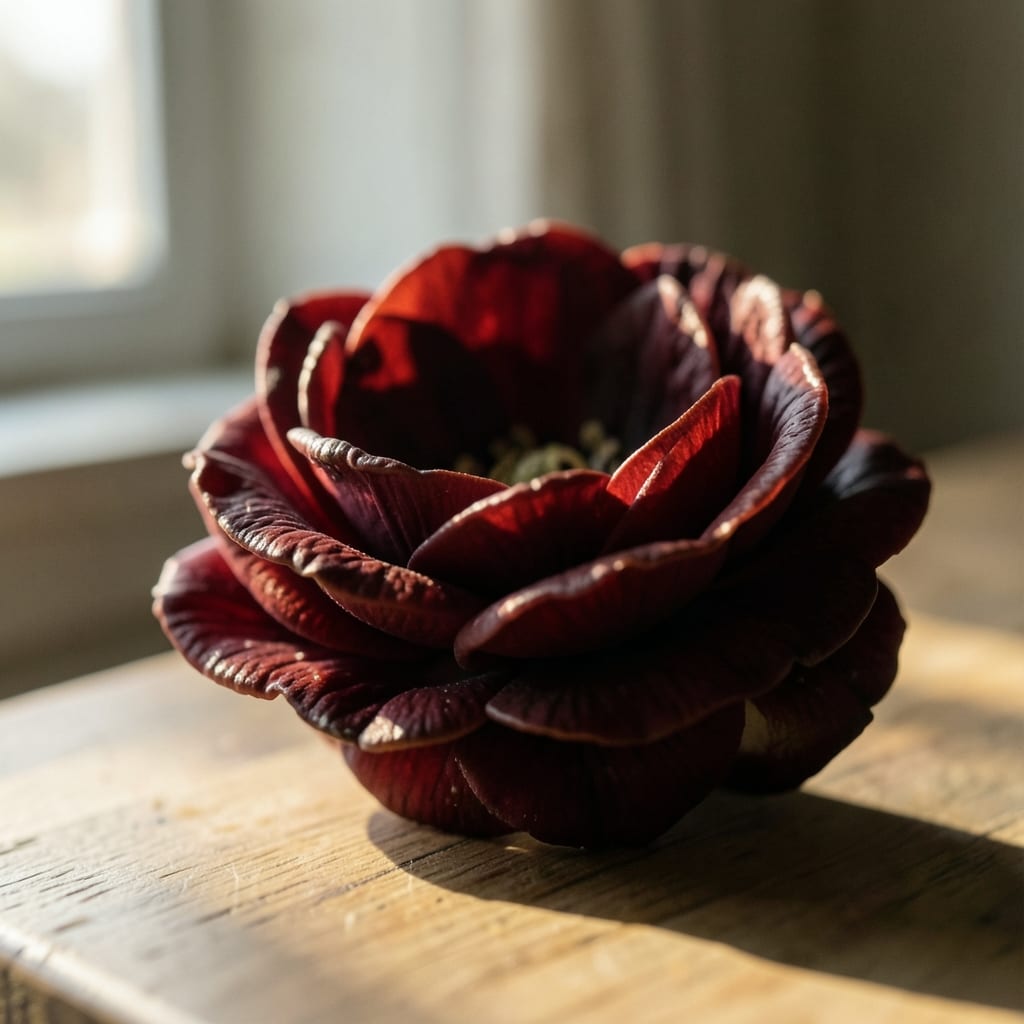
The biggest mistake was ignoring the soil.
For years, I wrote about plants as if they grew in magic dirt. ‘Add compost’ became a catch-all, and readers’ failures piled up in emails: ‘My tomatoes keep wilting,’ ‘My basil turns yellow.’ I’d reply with vague fixes—‘maybe it’s the sun’—while the real problem was compacted clay or alkaline pH.
The site’s first year had a 40% bounce rate on ‘troubleshooting’ pages because the advice was useless.
It took three failed tomato seasons to realise I’d been wrong. The first year, I tested my own soil and found it was 7.2 pH—ideal for basil, terrible for blueberries. The second year, I added sulfur to lower it, but the blueberries still struggled because the compost was too fresh.
The third year, I finally mapped every reader’s location to their local soil type and built a database of amendments. Now, the soil mix isn’t just ‘add compost’—it’s ‘for clay soil in Zone 7, use 60% peat, 30% sand, and 10% worm castings, then lime it to 6.5.’
That database costs $800 a year to maintain—soil tests for every zone, pH adjustments, and reader-submitted fixes. But it’s the only thing that stops the ‘my plant is dying’ emails. The old way was cheap; this way works.
Meet the author
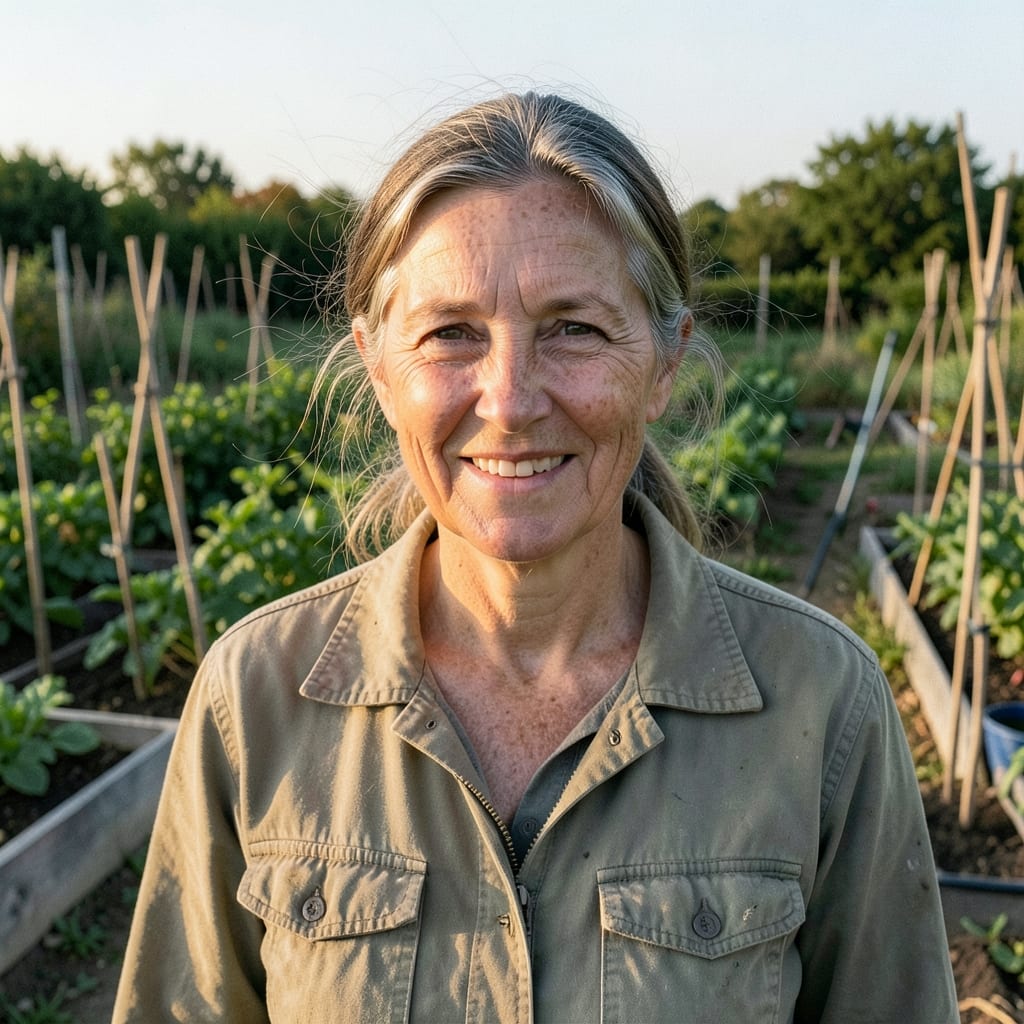
I used to think gardening was about picking the right plants. My first blog posts were lists of ‘easiest flowers to grow’ with no warnings about deer, no notes on how long it took me to kill a fuchsia.
I’d post a photo of my thriving sunflowers and blame the reader when theirs didn’t grow. The worst part? I never tested anything. If a seed packet said ‘full sun,’ I planted it in six hours of light and called it ‘morning sun.’
I believed the internet’s gardening advice was enough—until I realised I’d been copying it without checking. My second year, I planted 20 marigolds from the same packet in identical pots. Half wilted within a week. The difference? One batch got watered at dawn; the other at dusk.
I’d assumed it didn’t matter.
What changed: I stopped trusting seed packets.
Now, I run Flower Bloom Care by testing everything twice—once in my garden, once in a controlled setup with pH strips, moisture meters, and a notebook full of failures.
What did not change
The sunflowers are still here. That first backyard patch—my dad’s stubborn rows, my childhood races to see whose grew tallest—is the reason this site exists.
The tagline hasn’t changed because the feeling hasn’t: the slow reveal of a season’s first bloom, the way roots tangle underground before anything pushes through the dirt.
The other constant is the failures. Every year, something dies. Last spring, it was the peonies—too much rain, not enough staking. The year before, the lavender choked out the thyme.
But the notes on those pages are the same: what went wrong, what we’d do differently, and the one thing that actually saved it (for the peonies, it was a homemade trellis; for the lavender, pruning back the thyme in August).
What is still being fixed
The biggest project now is tracking plant lifespans. We know when things bloom, but not how long they’ll keep blooming—or when they’ll stop. Right now, the database has gaps: some perennials are logged for five years, others for one.
The goal is to have every post say not just ‘plant in spring,’ but ‘expect flowers from June to October, then deadhead weekly to extend it.’
If you’ve got a plant that’s outlived its welcome—or one that’s thriving past its expected time—tell us. The contact page is the best place to send details: your location, the soil mix, and what you did differently.
Things that would help
- A photo of your plant with a note on how long it’s been alive (or dead).
- The exact soil mix you used—even if it was just ‘garden soil from the bag.’
- What you changed from the site’s original advice (more water? less sun?).
The guides are grouped by category: Advice, Aphids, Blooming, Companion Plants, Container Gardens and Flowers.