Shrubs
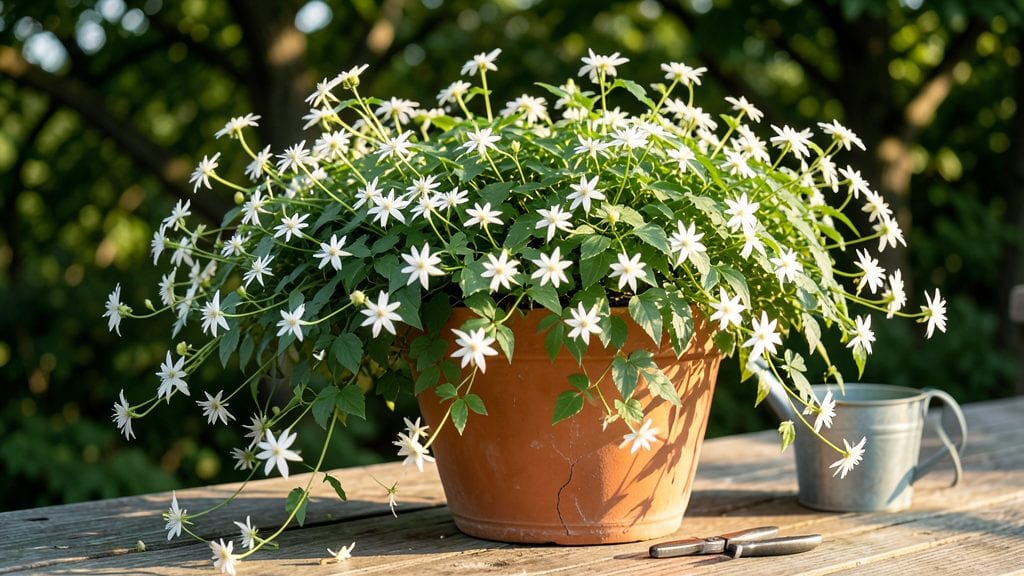
Autumn flowering clematis turns your garden into a late-season spectacle when most vines have called it quits. 🌿 I planted mine last October, and by September, the blooms were already stealing the show—deep purples and fiery oranges that lasted until frost.
The secret lies in choosing the right variety and giving it the perfect spot.
These clematis thrive in partial shade, where morning sun warms the soil but afternoon shade prevents wilting. They’re not fussy about soil as long as it drains well—my mix of compost and garden soil worked perfectly.
And here’s the best part: minimal pruning means less work for you. Just trim back dead stems in early spring, and you’re set for another stunning season.
By next summer, you’ll have a vigorous vine climbing your trellis or arbor, covered in blooms from August through October. The fragrance alone makes it worth the effort—imagine walking past a cascade of flowers just as summer starts to fade.
These varieties also attract hummingbirds and butterflies, turning your garden into a lively hub.
Works beautifully in cottage gardens, alongside patios, or even as a dramatic focal point. The hardy varieties handle cold snaps too, so you can enjoy their beauty even in cooler climates. Let’s get those roots in the ground!
📚 In This Guide
- What you need
- Instructions
- Tips and common mistakes
- Wrapping up and next steps
What you need
- ● Autumn-flowering clematis plants: 1–3 bare-root or container-grown plants (e.g., Clematis ‘Jackmanii’, ‘Niobe’, or ‘Perle d’Azur’). Choose Group 3 varieties (late-summer to autumn bloomers) for minimal pruning.
- ● Soil amendments: 5–10 lbs well-draining compost or peat-free potting mix (avoid heavy clay). 1 cup bone meal or slow-release fertilizer (10-10-10) per plant for phosphorus-rich soil.
- ○ Support structures: 1 trellis, arbor, or obelisk (6–8 ft tall) per plant for vertical growth. Optional: twine or soft garden ties to secure vines.
- ● Tools: 1 garden trowel (for planting). 1 pruning shears (sterilized with rubbing alcohol). 1 gloves (gardening or heavy-duty for thorns). 1 watering can or hose with soaker hose attachment.
- ● Mulch (2–3 inches of wood chips or straw) to retain moisture and regulate soil temp. Epsom salt (1 tbsp dissolved in 1 gallon of water) for magnesium boosts (apply monthly). Fungicide spray (e.g., neem oil) to prevent powdery mildew in humid climates. Pebbles or gravel (for surface rooting if planting in containers).
How to plant and care for autumn flowering clematis
Here's the straightforward approach I use to keep these stunning vines blooming reliably every fall.
🪴 Step 1: Choose the Perfect Planting Location
Autumn flowering clematis thrives in partial shade—think 4-6 hours of morning sun followed by afternoon shade. I always plant mine near a north-facing wall or under the dappled shade of a deciduous tree. The roots need cool soil (ideal temperature is 60-65°F), so avoid hot, exposed spots that dry out quickly.
Dig a hole twice as wide as the root ball but only as deep as the container it came in. This prevents the crown from being buried too deep, which can cause rot. Mix the excavated soil with 2-3 inches of compost to improve drainage and fertility. The reason I take this extra step is that clematis roots are sensitive to waterlogging, and rich soil helps them establish quickly.
🌱 Step 2: Plant with Proper Support and Mulch
Install a strong trellis, arbor, or fence before planting—clematis vines can grow 10-15 feet in a season, and you don’t want to struggle with support later. I use metal or wooden trellises because they last longer than plastic. Plant your clematis 6-12 inches away from the support structure so the vine can climb naturally.
Place the plant in the hole, ensuring the top of the root ball sits just below soil level. Backfill with the amended soil, pressing gently to remove air pockets. Water deeply to settle the soil, then apply 2-3 inches of mulch (like shredded bark) around the base, keeping it 6 inches away from the stem. This conserves moisture and regulates soil temperature—critical for autumn blooms.
☀️ Step 3: Water and Fertilize for Strong Growth
Water your clematis deeply once a week during the first growing season, aiming for 1-1.5 gallons per plant. You’ll know it’s enough when water drains 6 inches into the soil. Overwatering is the biggest mistake I’ve seen—it leads to weak stems and fewer flowers. After the first year, they become more drought-tolerant, but I still water during dry spells.
Feed with a balanced fertilizer (10-10-10) in early spring, then switch to a low-phosphorus, high-potassium fertilizer (5-10-10) in late summer to encourage fall blooms. I avoid high-nitrogen fertilizers—they promote leafy growth at the expense of flowers. Always water before and after fertilizing to prevent root burn.
✂️ Step 4: Prune Minimally for Autumn Blooms
Autumn flowering clematis is one of the easiest to prune because it blooms on old wood. In late winter or early spring, simply remove dead or crossing branches and trim back any that look leggy. I never cut more than 10-15% of the plant—this ensures plenty of energy for new growth and autumn flowers.
If you notice weak stems after flowering, you can lightly prune them back by one-third in early spring. The key is to never cut into last year’s growth unless it’s damaged. This vine’s beauty lies in its ability to rebloom without heavy intervention, and that’s what makes it so low-maintenance.
🌿 Step 5: Protect and Maintain Through Winter
Mulch heavily (4-6 inches) around the base in late fall to insulate the roots. I also wrap the lower 2 feet of the vine with burlap or frost cloth if your winters drop below 20°F. This prevents frost damage to the buds that will bloom next autumn. In mild climates, no extra protection is needed—just keep the soil moist.
Resist the urge to prune in winter. The plant is dormant, and cutting back now can remove next year’s flower buds. Instead, wait until early spring when new growth signals it’s time to tidy up. With this approach, you’ll enjoy vibrant autumn blooms year after year with almost no effort.
Tips & tricks for perfect autumn flowering clematis care
These simple strategies will help your autumn clematis thrive with stunning blooms year after year.
Soil Temperature Check: The 60-65°F ideal soil temperature is critical for root health, especially in Step 1. Use a soil thermometer in early spring to verify your planting location. If your soil runs cooler (common in northern climates), plant near a south-facing wall to absorb reflected warmth. In hotter regions, afternoon shade becomes even more important to prevent heat stress.
Support System Secret: When installing your trellis in Step 2, position it so the vine can grow upward naturally without twisting. I like to use adjustable metal trellises because they grow with the plant—no need to replace them every few years. The 6-12 inch spacing from the support structure gives the vine room to establish strong attachment points, which prevents breakage during storms.
Watering Wisdom: The once-weekly deep watering in Step 3 should always be done in the morning. This gives the soil time to dry slightly between waterings, preventing root rot. You'll notice the 6-inch water penetration mark when the soil stays moist but not soggy. A moisture meter helps track this—aim for soil that feels like a wrung-out sponge.
Winter Protection Hack: For climates below 20°F, I've found that wrapping the lower 2 feet of vine with burlap creates a microclimate that protects buds while allowing some airflow. The key is to secure the wrap loosely—too tight and you'll restrict growth. Remove it in early spring before new shoots appear, and you'll see fresh growth within weeks.
Pro Tips for Autumn Flowering Clematis
- These simple strategies will help your autumn clematis thrive with stunning blooms year after year.
- Soil Temperature Check: The 60-65°F ideal soil temperature is critical for root health, especially in Step 1.
- Support System Secret: When installing your trellis in Step 2, position it so the vine can grow upward naturally without twisting.
Frequently asked questions
Got questions about autumn flowering clematis?
You're not alone! Here are answers to the most common ones to help you grow stunning, low-maintenance blooms.
When do autumn flowering clematis actually bloom?
Most varieties flower from late summer through fall, with peak blooms in September and October. Some hardy types (like Clematis 'Jackmanii') may even surprise you with a few spring flowers—just don’t expect them to be as prolific!
Do I need to prune autumn clematis differently?
Nope! These are Group 3 clematis—minimal pruning required. Just trim back dead or weak stems in early spring (after blooming) to encourage new growth. Avoid heavy cuts; they thrive on established structure. Pro tip: Wear gloves—some varieties have spiky seed heads!
Can autumn clematis survive harsh winters?
Yes! Most are hardy to USDA Zones 4–9. For extra protection in colder climates, mulch the base with 2–3 inches of organic matter (like shredded leaves or bark) and wrap young stems with burlap. Bonus: Evergreen varieties add year-round interest!
What if my clematis isn’t flowering?
Check these fixes:
- Location: Needs 6+ hours of sun (morning sun + afternoon shade works best).
- Soil: Amend heavy clay with compost or sand for drainage.
- Water: Keep soil consistently moist but not soggy.
- Fertilizer: Feed in early spring with a balanced 10-10-10 or high-phosphorus formula.
Are there alternatives for late-season color?
Try these low-maintenance, late-blooming shrubs:
Plant
Bloom Time
Care Level
Hydrangea 'Limelight'
Summer–fall
Moderate (prune in late winter)
Rudbeckia 'Goldsturm'
Mid-summer–frost
Very low (drought-tolerant!)
Vinca 'Alba'
Spring–fall
Low (deer-resistant)
Wrapping up and next steps
Growing autumn flowering clematis is a rewarding way to extend your garden’s beauty into fall—with minimal fuss! These hardy climbers thrive with the right sunlight, support, and occasional pruning, offering vibrant blooms when many plants rest.
Whether you’re a beginner or a seasoned gardener, this variety delivers year-round interest and effortless charm.
Ready to transform your outdoor space? Start small—plant one this season, experiment with varieties, and watch your garden flourish! 🌿 For more inspiration, explore clematis companion plants or join gardening forums to share your progress. Happy growing!