
Lawn
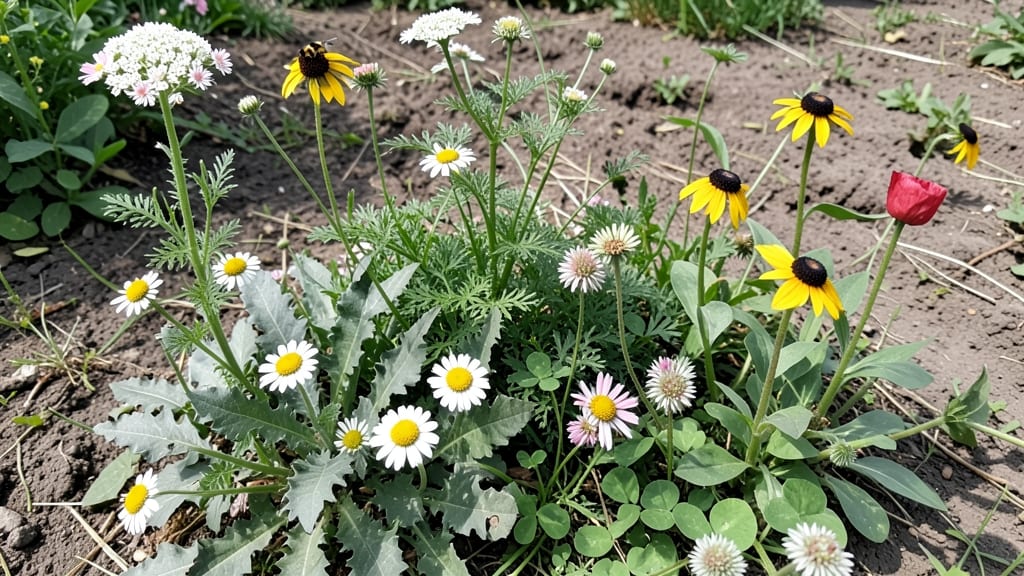
A wildflower lawn transforms your yard into a buzzing, blooming pollinator paradise without the mowing. 🌼 I swapped my dull green carpet for a meadow of native flowers, and now my garden hums with bees, butterflies, and hummingbirds all season long—while I spend weekends reading instead of raking.
The magic starts with the right seed mix for your region and sunlight levels. Most wildflower blends need full sun to thrive, but shade-tolerant varieties exist too. Skip the fancy equipment—just scatter seeds in early spring or fall, lightly rake them in, and let nature take over.
Within weeks, you’ll see delicate blooms pushing through the soil, and by summer, your "lawn" will rival any botanical garden.
Imagine stepping onto soft, velvety petals instead of hard grass, with colors shifting from purple lupines in spring to golden black-eyed Susans in summer. The air fills with the sweet scent of clover and lavender, and your yard becomes a sanctuary for wildlife.
No more bagging clippings or fighting weeds—just pure, effortless beauty that keeps giving year after year.
This approach works in city backyards, rural acres, or even small patches between sidewalk cracks. Whether you want a wild, natural look or a more structured meadow-style garden, the principles stay the same. Let’s get your pollinator paradise started—your future self (and the bees) will thank you.
📚 In This Guide
- What you need
- Instructions
- Tips and common mistakes
- Wrapping up and next steps
What you need
- ● Wildflower seed mix (native to your region, ~2–4 lbs per 100 sq. ft.). Pro tip: Look for pollinator-friendly blends with clover or grasses for resilience! 🌿💡
- ● Lawn mower or string trimmer (set to 3–4 inches high to avoid scalping the soil).
- ● Rake (bendable-tine for detangling roots or a stiff-bristle for debris removal).
- ● Garden hose or sprinkler (with a gentle spray nozzle to avoid washing away seeds).
- ○ Broadcast spreader (optional but ideal for even seed distribution).
- ● Lightweight mulch or straw (~1–2 lbs per 100 sq. ft.) to protect seeds from birds and erosion.
- ● Soil test kit (to check pH—wildflowers thrive in neutral to slightly acidic soil, pH 6.0–7.0).
- ● Native plant guidebook (for identifying and encouraging local species).
- ● Edging tool (to define borders neatly if your wildflower area meets a sidewalk or driveway).
- ● Bird netting (temporary, to deter seed-eating birds during germination).
- ● Compost or organic fertilizer (lightly worked into soil before seeding if your soil is poor).
Step-by-Step instructions for creating a wildflower meadow
Transform your yard into a buzzing, blooming paradise with these simple steps.
🌱 Step 1: Clear and Prepare the Soil
Start by removing any existing grass or weeds from the area you’ve chosen. I like to use a sod cutter or a sharp spade to pull up grass in strips, then rake the roots away. If your soil is compacted, loosen it with a garden fork to a depth of 4-6 inches. This helps wildflower seeds make contact with the earth and encourages strong root growth.
Test your soil’s drainage by digging a small hole, filling it with water, and timing how long it takes to drain. If water pools for more than 30 minutes, amend the soil with 1-2 inches of compost or sand to improve drainage. Wildflowers hate soggy roots, so good drainage is key.
🌿 Step 2: Choose and Scatter Your Wildflower Seed Mix
Select a wildflower seed mix suited to your climate and sun exposure—full sun, partial shade, or native blends. Scatter the seeds evenly over the prepared soil, using about 1-2 pounds per 100 square feet. I like to spread them by hand for even coverage, but a broadcast spreader works too if you have a larger area.
Lightly rake the seeds into the soil with a fine-tooth rake, pressing them just enough to ensure good seed-to-soil contact. This prevents seeds from washing away during watering and helps them germinate faster. Avoid burying them too deep—most wildflower seeds need light to sprout.
💧 Step 3: Water Gently and Consistently
After scattering, water the area lightly but thoroughly to moisten the soil without displacing the seeds. Keep the soil evenly moist for the first 2-3 weeks, watering daily if rainfall is scarce. You’ll see tiny green shoots emerge in 7-21 days, depending on the seed mix and weather.
Once the seedlings are about 2-3 inches tall, reduce watering to once a week or as needed to keep the soil lightly moist. Overwatering now can lead to mold or weak stems. Let nature take over—wildflowers thrive on occasional rain once established.
☀️ Step 4: Let Nature Do the Work
Resist the urge to mow or weed during the first growing season. Wildflowers need time to establish roots and compete with weeds naturally. If weeds do take over, spot-treat them by hand-pulling or using a hoe to disturb their roots without harming the delicate wildflower seedlings.
In the second year, you’ll see a dramatic transformation as wildflowers fill in and outcompete weeds. Mow once in late fall or early spring to remove dead growth and encourage new blooms. After that, enjoy the show—your pollinator paradise will need almost no maintenance.
⏰ Step 5: Maintain for Long-Term Beauty
Once established, wildflowers are incredibly low-maintenance. Water only during prolonged dry spells, and avoid fertilizers or pesticides—they can harm pollinators and reduce biodiversity. If your meadow looks tired by late summer, a light mowing in fall will rejuvenate it for next year.
Watch for butterflies, bees, and birds visiting your flowers—this is the real reward. Over time, your wildflower meadow will evolve into a self-sustaining ecosystem, requiring little more than an occasional mow and your admiration.
Tips & tricks for perfect wildflower meadows
Here's what I've learned after creating three thriving wildflower meadows—these tricks will help you avoid common pitfalls and create a pollinator paradise that truly thrives.
Soil Prep Secret: Don't just loosen the soil in Step 1—break up any clumps into crumbly pieces about the size of a golf ball. This creates the perfect texture for seeds to nestle into while still allowing water and air to reach the roots. I've found that adding a thin layer of compost (about 1/4 inch) over the loosened soil gives seeds a nutrient boost without overwhelming them. This makes all the difference in germination rates.
Seed Scattering Strategy: When scattering your seeds in Step 2, work in small sections (about 10x10 feet at a time) to ensure even coverage. For larger areas, mix your seeds with sand (about 10 parts sand to 1 part seeds) before scattering—this helps you see where you've already spread and prevents clumping. I've seen people accidentally create thick patches where seeds compete for space rather than spreading evenly.
Watering Wisdom: During those critical first 2-3 weeks in Step 3, water in the early morning so the soil has all day to dry slightly before evening. This prevents fungal growth while keeping seeds hydrated. I use a gentle rain setting on my hose or a watering can with a fine rose attachment—forceful streams can wash seeds away. You'll know you're doing it right when the soil feels like a damp sponge, not a soggy mess.
Weed Management: In Step 4, when weeds start competing, focus on removing them when they're small—before they develop deep roots. I've found that a simple hand hoe with a narrow blade works best for disturbing weed roots without harming wildflower seedlings. The key is to pull weeds at soil level rather than yanking them out by the roots, which can disturb your wildflowers.
Pro Tips for Wild Flower Lawn
- Here's what I've learned after creating three thriving wildflower meadows—these tricks will help you avoid common pitfalls and create a pollinator paradise that truly thrives.
- Soil Prep Secret: Don't just loosen the soil in Step 1—break up any clumps into crumbly pieces about the size of a golf ball.
- Seed Scattering Strategy: When scattering your seeds in Step 2, work in small sections (about 10x10 feet at a time) to ensure even coverage.
Frequently asked questions
Got questions about transforming your lawn into a buzzing wildflower paradise? Here are some of the most common ones—and their answers!
What’s the best time of year to plant a wildflower lawn?
For most regions, late summer to early fall (August–September) is ideal—wildflowers establish roots before winter and bloom early the next spring. In warmer climates, winter planting (November–January) works too. Avoid spring planting, as competition from existing grass can overwhelm seedlings.
Will wildflowers attract bees and butterflies?
Native wildflowers are a magnet for pollinators like bees, butterflies, and hummingbirds. Choose region-specific mixes (e.g., black-eyed Susans, clover, or milkweed) to maximize biodiversity. Just avoid treated seeds—they can harm beneficial insects.
Do wildflower lawns need watering?
Newly seeded areas need regular watering (daily for 10–15 mins) until established (about 3–4 weeks). After that, they’re drought-tolerant! Once mature, water only during prolonged dry spells. Overwatering can drown out wildflowers, so let nature take over.
Can I still walk or play on a wildflower lawn?
Yes! Wildflower lawns are soft underfoot and perfect for barefoot fun, picnics, or kids’ play. However, avoid heavy foot traffic during the first growing season to help roots establish. For high-traffic areas, consider mowing taller (4–6 inches) to protect delicate blooms.
What if weeds take over instead of wildflowers?
Weeds are normal early on, but patience is key—wildflowers outcompete them over time. To help, hand-pull weeds in spring, avoid herbicides (they’ll kill your wildflowers too), and mow high (3–4 inches) to shade out invaders. After 1–2 years, wildflowers usually dominate!
Wrapping up and next steps
Creating a wild flower lawn is more than just a trend—it’s a rewarding way to support pollinators, reduce maintenance, and embrace natural beauty. With the right mix of seeds, soil prep, and patience, you’ll soon enjoy a vibrant, eco-friendly space that thrives with minimal effort. 🌸
Ready to take the plunge? Start small—even a 5x5-foot patch makes a difference! Grab your supplies, follow the steps, and watch your garden transform into a buzzing paradise. Your future wildflower lawn (and the bees!) will thank you.