Blooming
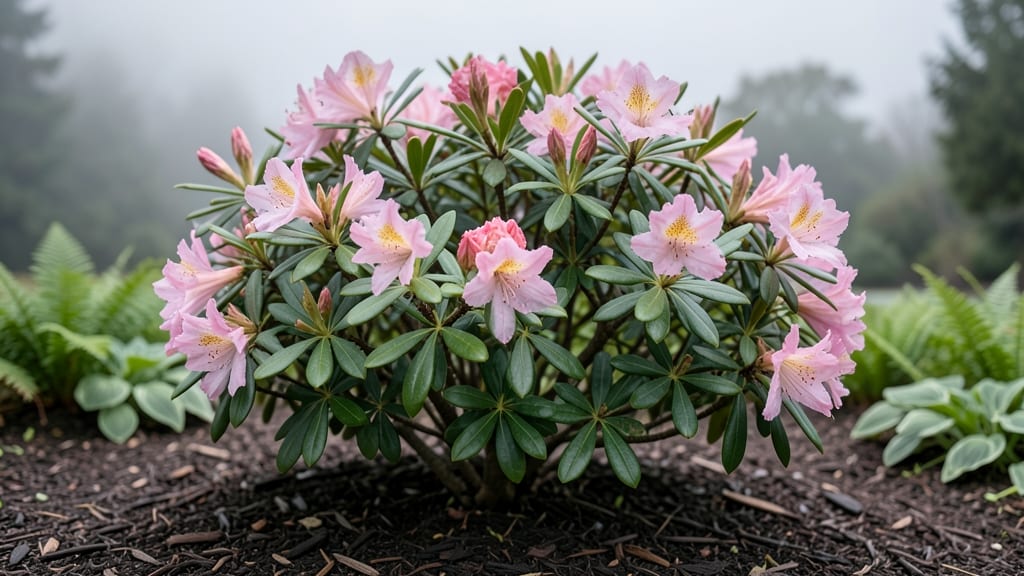
Rhododendrons burst into color when spring arrives, but their exact flower time depends on where you live and which variety you grow. My first rhododendron bloomed in late April, while neighbors with the same plant saw theirs open weeks earlier—all because of a slightly warmer microclimate near their patio.
The secret isn’t just patience; it’s understanding how sunlight, soil, and water work together to coax those trumpet-shaped blooms.
Most rhododendrons bloom between late spring and early summer, with peak color lasting 3-6 weeks depending on your zone. Southern gardeners might see flowers as early as March, while northern growers wait until June. The key to extending bloom time?
Prune right after flowering and feed with acid-loving fertilizer—I’ve seen my plants reward me with a second flush of buds if I don’t skip this step. Even in shade, they’ll put on a show if the soil stays moist but never soggy.
After the flowers fade, don’t walk away—this is when you set up next year’s performance. Deadhead spent blooms to encourage new growth, and mulch heavily to protect roots from summer heat. I’ve watched rhododendrons go from ragged to lush and bushy in just one season with this simple aftercare.
The foliage alone becomes a star in fall, turning shades of burgundy and gold that outshine any spring bloom.
Design tip: Pair early-blooming rhododendrons with late spring bulbs like daffodils for a seamless transition. In cooler climates, choose varieties like ‘Catawbiense’ for reliable blooms, while southern gardens can experiment with heat-tolerant types like ‘Elizabeth’.
The right placement turns these plants into year-round anchors—just don’t forget to feed them in early spring when buds start swelling.
📚 In This Guide
- What you need
- Instructions
- Tips and common mistakes
- Wrapping up and next steps
What you need
- ● Rhododendron plants: 1-3 mature shrubs (depending on garden size; choose Rhododendron varieties suited to your USDA hardiness zone, like R. catawbiense or R. 'PJM' for cold climates).
- ● Well-draining acidic soil: 1-2 cubic yards of peat moss or pine bark mix (or amend existing soil with 5 lbs of sulfur per 100 sq ft to lower pH to 4.5–6.0).
- ● Mulch: 2–3 inches of pine straw or wood chips (avoid cedar mulch—it’s toxic!).
- ● Watering can or hose: With a gentle spray nozzle (1–2 gallons capacity for deep watering).
- ● Fertilizer: 1 lb of acid-loving plant fertilizer (e.g., Miracle-Gro Azalea, Rhododendron & Holly Food; apply 2–3 times per year).
- ● Pruning shears: Bypass pruners (sharp, clean, and sterilized with rubbing alcohol to prevent disease).
- ● Soil pH test kit: Digital or liquid test strips (e.g., Luster Leaf) to monitor acidity.
- ● Drip irrigation system: For automated watering (especially in hot climates).
- ● Organic matter: Compost or worm castings (1 bag per plant annually to enrich soil).
- ● Protective netting: Lightweight mesh to shield flowers from late-season frost or pests.
- ● Slow-release fertilizer spikes: For hassle-free nutrient delivery (e.g., Osmocote).
Instructions for extending rhododendron bloom season naturally
Here's how to coax vibrant blooms year-round with simple seasonal adjustments.
Prune Strategically After Flowering
Remove spent blooms immediately after they fade, but wait until new buds form on side shoots—this ensures next year's flowers develop properly. I prune with sharp bypass pruners, cutting just above the first set of healthy leaves below the faded bloom. Never remove more than one-third of the plant's height at once, or you'll sacrifice next season's display.
Timing matters most: prune in late spring or early summer when the plant has finished flowering but before new growth hardens. This gives rhododendrons time to recover before winter. Watch for fresh leaf growth at the branch tips—this signals it's safe to prune.
Apply Acidic Fertilizer in Early Spring
Use an acid-loving plant fertilizer (like one formulated for azaleas or rhododendrons) when you see new growth emerge in early spring. I apply half the recommended dose at the base of the plant, then water deeply to help it penetrate the root zone. Over-fertilizing causes salt buildup that burns roots and stunts blooms.
Work the fertilizer into the top 2-3 inches of soil around the drip line, but avoid direct contact with stems. You'll notice fresh, deep green foliage within 2-3 weeks—this confirms the plant is absorbing nutrients properly. If leaves yellow between veins, you're overdoing it.
Mulch Heavily to Protect Roots
Spread a 3-4 inch layer of organic mulch (like pine bark or pine needles) over the root zone in late fall, extending it 2-3 feet from the trunk. This mimics the acidic, moisture-retentive conditions rhododendrons thrive in. Avoid fresh wood chips—they rob nitrogen as they decompose.
Keep mulch 6 inches away from the trunk to prevent rot. In winter, this layer acts like insulation, protecting roots from freeze-thaw cycles that can damage them. By spring, you'll see fewer browned leaf edges—a sign the roots stayed consistently moist and cool.
Water Deeply During Drought Periods
Water once weekly during dry spells, delivering 1-2 gallons per plant at the base until the soil 6 inches deep feels moist. Early morning watering prevents fungal issues, and drip irrigation (if available) delivers moisture directly to roots without wetting foliage. Wilting leaves mean you're watering too little or too shallowly.
Check moisture by inserting a finger into the soil—if it feels dry past 1 inch, it's time to water. Overhead sprinklers create ideal conditions for powdery mildew, so avoid them. You'll know your watering is right when new growth appears bright green and firm rather than limp or yellowing.
Adjust Light Exposure for Extended Blooms
Rhododendrons tolerate partial shade best, but too little light weakens blooms. If your plant is in full shade, move it to a spot with 3-4 hours of morning sun—afternoon sun can scorch leaves. In hot climates, afternoon shade protects flowers from fading prematurely.
Watch for leaves turning yellow with brown spots—this signals too much sun. If blooms appear small or sparse, the plant needs more indirect light. A simple test: if you can read a book comfortably under the plant's canopy, it has enough shade.
Tips & tricks for extending rhododendron bloom season
These subtle adjustments make all the difference between seasonal blooms and year-round color. The key lies in understanding your plant's natural rhythms and working with—not against—them.
Pruning Precision: When you're ready to prune in late spring or early summer, focus on removing only the spent blooms and any crossing branches that disrupt airflow. I always make my cuts just above the first set of healthy leaves—this preserves next year's flower buds while maintaining the plant's natural shape. The goal is to remove no more than one-third of the plant's height, as aggressive pruning can shock the rhododendron and reduce flowering potential. Think of it as giving your plant a strategic haircut rather than a buzz cut.
Fertilizer Timing: The early spring application window is critical—wait until you see those first tender new leaves pushing through the soil. I've learned the hard way that fertilizing too early can encourage leaf growth at the expense of flower buds. When applying that acid-loving fertilizer, work it into the top 2-3 inches of soil around the drip line, but never let it touch the stems. This targeted approach ensures the nutrients go directly to the roots where they're needed most. The deep green foliage you'll see within 2-3 weeks is your confirmation that the plant is thriving.
Mulching Strategy: That 3-4 inch layer of organic mulch in late fall isn't just decoration—it's insulation. I prefer pine bark or pine needles because they naturally acidify the soil over time, creating the perfect environment for rhododendrons. The key detail here is maintaining that 6-inch clearance from the trunk to prevent rot. In winter, this mulch layer acts like a cozy blanket, protecting roots from damaging freeze-thaw cycles. By spring, you'll notice fewer browned leaf edges, which tells me the roots stayed consistently moist and cool throughout the winter.
Watering Technique: The once-weekly watering guideline assumes average conditions, but your actual needs may vary. I check soil moisture by inserting my finger about 1 inch deep—if it feels dry, it's time to water. For established plants, aim to deliver 1-2 gallons at each watering, focusing on the base rather than the foliage. Early morning watering prevents fungal issues, and I've found that drip irrigation delivers moisture most efficiently without wetting the leaves. The bright green, firm new growth you'll see confirms you're providing just the right amount of moisture.
Pro Tips for Rhododendron Flower Time
- These subtle adjustments make all the difference between seasonal blooms and year-round color. The key lies in unders...
- Pruning Precision: When you're ready to prune in late spring or early summer, focus on removing only the spent blooms...
- Fertilizer Timing: The early spring application window is critical—wait until you see those first tender new leaves p...
Frequently asked questions
When is the best time to plant rhododendrons for peak blooms?
Plant rhododendrons in early spring or fall (April–May or September–October) for the best results. This gives roots time to establish before winter or summer stress. Avoid planting in hot, dry spells—they thrive in cooler, moist conditions. Pro tip: Mulch heavily after planting to retain moisture and protect roots!
Why aren’t my rhododendrons blooming this year?
Rhododendrons often skip blooms if they’re over-fertilized, stressed, or too young (first 2–3 years focus on root growth). Check for too much sun (they prefer shade) or poor drainage. If buds form but drop, it could signal late frost damage or drought. Try a light acidic fertilizer in early spring to encourage flowers next season!
Do rhododendrons bloom at the same time every year?
Not always! Blooms depend on temperature, sunlight, and plant age. In cooler climates (Zones 3–7), they typically flower in late spring (April–June), while warmer zones (8–9) may see blooms in winter or early spring. Late frosts can delay or damage buds, so protect young plants with frost cloth if needed.
Can I prune rhododendrons after they bloom?
Yes! Prune right after flowering (June–July) to shape the plant and encourage next year’s blooms. Avoid cutting back old wood—new growth forms on last year’s stems. Use clean, sharp shears to make cuts just above a leaf bud. Never prune in fall or winter—it removes next year’s flower buds!
Are there rhododendron varieties that bloom in fall or winter?
Some varieties, like ‘Catawbiense Grandiflorum’ or ‘Nova Zembla’, bloom in late fall or winter (Dec–Feb), especially in warmer climates. Others, like ‘PJM’, may rebloom lightly in summer. Check your zone—Zone 7+ offers the widest selection for off-season color!
Wrapping up and next steps
Watching your rhododendron bloom year after year is a rewarding experience that brings vibrant color and life to your garden with surprisingly little effort! 🌸 From choosing the right variety to mastering basic care, these hardy plants make gardening accessible for everyone.
Whether you’re a seasoned green thumb or just starting out, a thriving rhododendron is well within reach.
Now that you’re armed with the knowledge, why not take the next step? Visit your local nursery to pick out a plant—or two—and start creating your own stunning floral display. Happy planting! 🌿