Shrubs
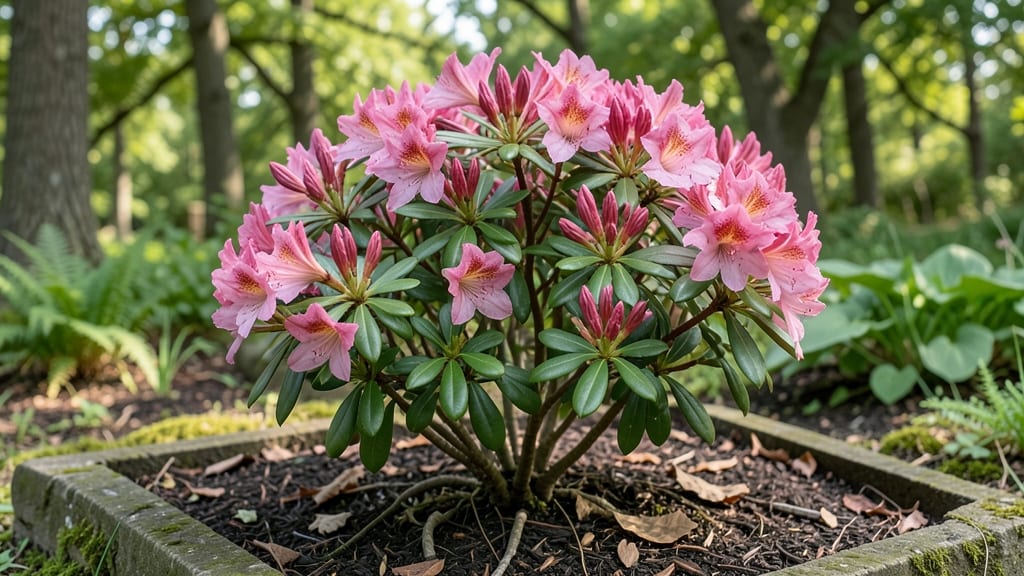
Summer flowering azaleas burst into vibrant color just when your garden needs it most. 🌸 I’ve learned that these shrubs aren’t just pretty—they’re pollinator magnets, attracting bees and butterflies while keeping your landscape lush from late spring through summer.
The key to their performance lies in understanding their seasonal needs, from watering schedules to pruning timing.
These plants thrive with morning sun and afternoon shade, making them perfect for partial shade gardens. They demand consistent moisture—drought stress turns their blooms sparse—so mulching helps retain water while keeping roots cool.
Prune right after flowering to encourage next year’s blooms, and watch for lace bugs or spider mites, which love dry conditions.
What you’ll love most is how they transform a space: clusters of pink, red, or white blooms that last weeks, followed by glossy foliage that stays attractive even after flowers fade.
With the right care, your azaleas will reward you with bold color every summer and a garden buzzing with life.
Works beautifully in foundation plantings, mixed borders, or even large containers. Here’s how to keep them thriving season after season.
📚 In This Guide
- What you need
- Instructions
- Tips and common mistakes
- Wrapping up and next steps
What you need
- ● Summer flowering azalea plants: Choose 3–5 mature plants (or 10–15 for a full hedge). Opt for Rhododendron varieties like ‘Summerazz’ or ‘Girard’s Giant’ for bold blooms.
- ● High-quality potting soil or acidic garden mix: 3–5 cubic yards (or 1–2 bags per plant for containers). Aim for a pH of 4.5–6.0—azaleas love acid!
- ● Organic mulch: 2–3 inches of pine bark or pine needles to retain moisture and acidify soil.
- ● Slow-release fertilizer: A 10-10-10 or 12-4-8 blend (1 lb per 100 sq ft) formulated for acid-loving plants.
- ● Garden trowel or spade: For digging holes (1.5x wider than the root ball).
- ● Gloves & knee pads: Protect your hands and joints—trust us!
- ● Watering can or hose with a gentle nozzle: Azaleas hate soggy roots but need consistent moisture.
- ● Pruning shears: Sharp, clean shears for shaping (sterilize with rubbing alcohol!).
- ● Container gardening: 1–2 large pots (15+ gallons) with drainage holes if space is limited.
- ● Epsom salt or aluminum sulfate: Boosts magnesium and acidity (follow package rates).
- ● Pollinator-friendly companions: Pair with salvias, fuchsias, or bee balm for a buzzing garden!
- ● Drip irrigation kit: Automates watering for busy gardeners.
How to plant and care for summer flowering azaleas
These vibrant shrubs thrive with the right soil, light, and maintenance—here’s how to create a pollinator haven.
🌱 Step 1: Select the Right Location and Prepare the Soil
Summer flowering azaleas crave partial shade, especially in hotter climates, where they’ll receive morning sun and afternoon shade. Avoid deep shade—they need at least 4-6 hours of filtered light daily to bloom reliably. Test your spot by observing how sunlight moves across the area; azaleas wilt in harsh afternoon rays.
Amend your native soil with 2-3 inches of acidic, well-draining compost (aim for a pH of 4.5-6.0). Work it into the top 12 inches of soil using a garden fork. Azaleas hate alkaline soil—if your yard’s pH runs higher, mix in sulfur or peat moss to lower it gradually. Dig a hole twice as wide as the root ball but only as deep as the container’s drainage holes.
🪴 Step 2: Plant with Care to Avoid Root Stress
Gently remove the azalea from its container and loosen any circling roots with your fingers—never force them apart. Place the shrub in the hole so the top of the root ball sits 1 inch above ground level. This prevents waterlogging, which causes root rot. Backfill with the amended soil, pressing lightly to eliminate air pockets but not compacting too firmly.
Water deeply immediately after planting to settle the soil and eliminate gaps. You’ll know it’s right when moisture reaches 6 inches down. Mulch with 2-3 inches of pine bark or wood chips, keeping it 3 inches away from the trunk to prevent moisture buildup. Mulch retains soil acidity and suppresses weeds—just avoid fresh wood chips, which can raise pH over time.
☀️ Step 3: Water and Fertilize for Lush Blooms
Summer flowering azaleas need consistent moisture, especially during their first year. Water 2-3 times per week until the soil is 6 inches deep and damp (use a trowel to check). Let the top 1-2 inches dry out between waterings to prevent fungal issues. In extreme heat, increase to daily watering but avoid overhead sprinkling, which can damage petals and invite pests.
Feed with an acid-loving plant fertilizer (look for a 10-10-10 or 8-3-9 blend) every 6-8 weeks during the growing season. Apply it after watering to prevent root burn. I always fertilize in early spring and again after the first flush of blooms fades—this encourages a second, smaller bloom cycle in late summer. Stop fertilizing in fall to let the plant harden off for winter.
✂️ Step 4: Prune for Shape and Health After Flowering
Wait until 4-6 weeks after blooming to prune, as summer azaleas set next year’s buds on old wood. Remove any dead, crossing, or inward-growing branches first with clean, sharp pruners. Cut just above a bud or outward-facing leaf to encourage new growth. Never prune more than one-third of the shrub’s foliage in a single season—this stresses the plant and reduces flowering.
Shape the azalea by thinning out dense areas to improve airflow, which prevents fungal diseases like powdery mildew. You’ll see healthier stems with fewer brown spots and more vibrant blooms the following year. In late winter, lightly trim any leggy growth to maintain a compact form. Avoid heavy pruning in spring—this removes next year’s flower buds before they form.
🌿 Step 5: Protect and Maintain for Year-Round Color
Azaleas attract pollinators like bees and butterflies, so avoid pesticides—opt for neem oil or insecticidal soap only if pests like lace bugs or spider mites appear. Check the undersides of leaves weekly for early signs of infestation. If birds peck at buds, drape netting over the shrub during flowering; they love the nectar but can strip blooms quickly.
In fall, apply a 3-inch layer of mulch to insulate roots from freezing temperatures. Water less frequently as temperatures drop, but keep the soil slightly moist (not soggy) until the ground freezes. In early spring, remove any winter-damaged branches and add a light top-dressing of compost to replenish nutrients. With this care, your azaleas will reward you with 3-4 weeks of vibrant blooms each summer and lush foliage year-round.
Tips & tricks for perfect summer flowering azaleas
Here's what nobody tells you about keeping these pollinator magnets thriving year after year.
Soil pH is everything: Test your soil before planting—azaleas absolutely refuse to thrive in alkaline conditions. If your pH reads above 6.0, mix in sulfur or peat moss into the top 12 inches of soil as directed in Step 1. I've seen azaleas go from struggling to vibrant in just one season after this adjustment. Use a simple soil test kit to monitor pH annually, especially if you notice yellowing leaves.
Root ball elevation matters: That 1-inch elevation above ground level in Step 2 isn't just arbitrary—it prevents waterlogging that leads to root rot. After planting, gently press the soil around the root ball while keeping it slightly elevated. If your soil is particularly dense or clay-heavy, consider adding a small layer of gravel at the bottom of the planting hole to improve drainage.
Watering strategy for consistent blooms: The 2-3 times per week guideline in Step 3 works best when you check soil moisture at 6 inches deep. I use a simple screwdriver test: push it into the soil—if it comes out clean, water again. During heatwaves, switch to daily watering but water at the base rather than overhead to protect delicate blooms. The key is keeping roots consistently moist without creating soggy conditions.
Fertilizer timing is critical: Those 6-8 week intervals for acid-loving fertilizer in Step 3 should align with your plant's growth cycle. I fertilize in early spring when new growth appears and again after the first flush of blooms fades to encourage that second bloom cycle. Stop fertilizing by late summer to allow the plant to prepare for winter—this prevents tender new growth that might get damaged by frost.
Pro Tips for Summer Flowering Azaleas
- Here's what nobody tells you about keeping these pollinator magnets thriving year after year.
- Soil pH is everything: Test your soil before planting—azaleas absolutely refuse to thrive in alkaline conditions.
- Root ball elevation matters: That 1-inch elevation above ground level in Step 2 isn't just arbitrary—it prevents waterlogging that leads to root rot.
Frequently asked questions
Got questions about keeping your summer flowering azaleas thriving? Here are some of the most common queries—plus quick answers to help you grow a pollinator-friendly paradise with ease!
When is the best time to plant summer flowering azaleas?
Plant them in early spring or fall (4–6 weeks before the first frost) for the best root establishment. Avoid summer heatwaves—roots can dry out or struggle to adapt. If you must plant in summer, do it on a cool, cloudy day and mulch heavily to retain moisture.
How long do summer flowering azaleas bloom, and can I extend their season?
Most varieties bloom for 4–6 weeks in late spring to early summer. To prolong blooms, deadhead spent flowers (remove faded blooms) and ensure consistent moisture and partial shade. Some repeat-blooming cultivars (like ‘Summer Azure’) may reward you with a second flush of flowers if cared for properly!
Are summer flowering azaleas good for attracting pollinators?
Their bright, nectar-rich flowers are a magnet for bees, butterflies, and hummingbirds. Opt for native varieties like Rhododendron canescens (silverleaf azalea) or Rhododendron alabamense (smooth azalea) for maximum pollinator appeal. Just avoid pesticides—they’ll scare off your winged visitors!
Why aren’t my summer azaleas blooming this year?
Common culprits include:
- Too much sun: Most prefer morning sun + afternoon shade.
- Over/under-fertilizing: Use acidic, slow-release fertilizer in early spring.
- Improper pruning: Prune right after blooming (never in fall/winter).
- Drought stress: Azaleas hate dry soil—mulch 2–3 inches deep!
What’s a low-maintenance alternative to summer flowering azaleas?
If you want color without the fuss, try:
- Butterfly bush (Buddleia): Drought-tolerant, pollinator-friendly, and blooms all summer.
- Hydrangeas (like ‘Endless Summer’): Thrives in partial shade and reblooms.
- Abelia: Semi-evergreen, fragrant, and handles heat better than azaleas.
Wrapping up and next steps
Summer flowering azaleas aren’t just a burst of color—they’re a lifeline for pollinators and a low-maintenance way to keep your garden vibrant year-round! 🌸 From choosing the right variety to nurturing them with ease, these shrubs prove that beauty and sustainability go hand in hand.
Whether you’re a seasoned gardener or just starting, planting one today is a small step toward a bigger, brighter outdoor space.
Ready to transform your garden? Start by picking your favorite azalea—then grab your gloves and get growing! 🌱 (Check out our planting guide for a stress-free setup.)