Pruning
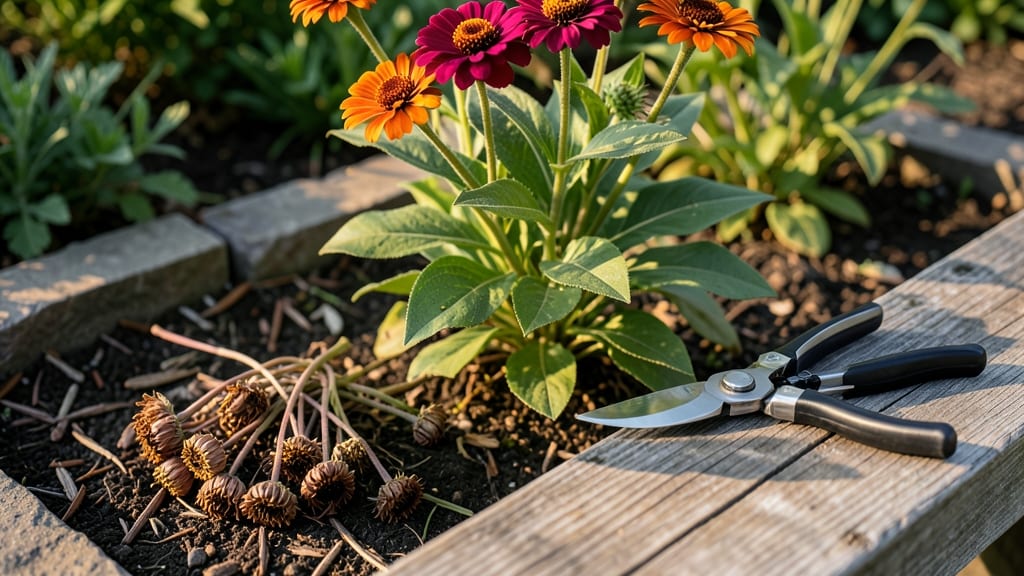
Deadheading spent flowers keeps your garden blooming like it’s July all season long. ✨ I used to think it was just a fancy way to say "clean up," but now I know it’s the secret to stronger plants and more flowers—sometimes for months after the original bloom.
The best part? You don’t need fancy tools or a green thumb to make it work.
All you really need is a sharp pair of pruners or even your fingers, and about 10 minutes of time. Some plants, like petunias and zinnias, practically beg for deadheading—they’ll reward you with nonstop blooms if you keep up.
Others, like roses or peonies, need a gentler touch. The key is removing just the faded flower (and sometimes the seed head) without hacking into the stem.
When you do it right, you’ll see plants putting energy into new buds instead of seeds, and those blooms stay vibrant longer. My impatiens now last from May until first frost, and my roses produce second flushes that outshine the first.
It’s like giving your plants a second wind—just when they start looking tired.
Fair warning: over-pruning is a real risk, especially with delicate stems. But once you get the hang of it, deadheading becomes second nature. The best time to start? Right after the first flowers fade—before the plant decides it’s done for the season. Let’s get those blooms going again!
📚 In This Guide
- What you need
- Instructions
- Tips and common mistakes
- Wrapping up and next steps
What you need
- ● Pruning shears or bypass pruners – Sharp, clean, and with a 5-7" blade (for precision cuts).
- ● Gloves – Garden gloves (heavy-duty for thorns like roses) to protect your hands.
- ○ Disposable pruning bags or bucket – For collecting spent blooms (optional but handy!).
- ● Rubbing alcohol (70% or higher) – Small bottle for sterilizing tools between cuts (prevents disease spread).
- ● Compost bin or pile – To recycle deadheaded flowers into nutrient-rich soil.
- ● Hand pruners or nail clippers – For delicate stems (e.g., petunias, impatiens).
- ● Knee pad or stool – For comfort when working close to the ground.
- ● Spray bottle with water – To mist tools and stems if working in dry conditions.
- ● Sharpie or marker – For labeling pruned plants if tracking growth stages.
Step-by-Step instructions for deadheading spent flowers
Here’s the simple method I use to keep my plants blooming all season long.
✂️ Step 1: Identify the Right Flowers to Deadhead
Start by scanning your plants for flowers that have faded or wilted completely—these are the ones ready for removal. Look for blooms with drooping petals or brown centers, as these signal the plant’s energy is shifting toward seed production instead of new flowers. I always check in the morning when petals are still crisp, making it easier to spot spent blooms.
Not all flowers need deadheading. Annuals like zinnias and petunias benefit greatly, but perennials like peonies or daylilies often set seed naturally and may not need it. When in doubt, leave it—over-pruning can stress the plant. Focus on annuals and repeat bloomers like impatiens or geraniums for the best results.
✂️ Step 2: Use the Right Tools for Clean Cuts
Grab your clean, sharp pruners or even a pair of scissors for small flowers. Dull tools crush stems and leave jagged cuts that invite disease. I like to wipe my pruners with rubbing alcohol between plants to prevent spreading any hidden pathogens. Avoid using your fingers—you’ll end up with sore knuckles and a messier job.
Make your cut just above a set of healthy leaves or a leaf node (the bump where leaves grow). This encourages the plant to branch out and produce more flowers. If you’re unsure where to cut, look for the first leaf or bud below the spent bloom—this is your target. A clean cut at a 45-degree angle helps water run off and prevents rot.
✂️ Step 3: Remove the Entire Spent Flower Stem
Don’t just snip off the faded bloom—cut the entire stem back to the leaf node or a healthy bud. This redirects the plant’s energy toward new growth instead of seed production. For example, with a long stem of snapdragons, I’ll cut back to the first set of leaves below the faded flowers. This might seem drastic, but it triggers bushier, fuller plants with more blooms.
If the stem is woody or thick, you can leave a small stub, but avoid cutting into old wood. For delicate stems like those on impatiens, pinch or snip carefully to avoid damaging the surrounding foliage. The goal is to remove the spent bloom while leaving the plant’s energy reserves intact for future growth.
🌿 Step 4: Encourage New Growth with Proper Care
After deadheading, give your plants a light drink of water to help them recover. I usually water in the early morning so the foliage has time to dry before evening. Avoid overwatering, though—wet leaves can attract pests or fungal diseases. Instead, focus on keeping the soil consistently moist but not soggy.
You’ll notice new buds forming within 7-10 days if you’ve deadheaded correctly. Watch for fresh growth at the leaf nodes where you made your cuts. This is your reward for the effort! If blooms slow down after a few weeks, it might be time to fertilize lightly with a balanced, water-soluble fertilizer to give your plants a boost.
⏰ Step 5: Establish a Regular Deadheading Routine
Deadheading isn’t a one-time task—it’s an ongoing process. I like to check my plants every 3-4 days during peak bloom season. This keeps them looking tidy and encourages continuous flowering. Set a reminder on your phone or tie it to a weekly chore, like watering or weeding. Consistency is key to long-lasting blooms.
For plants that bloom in waves, like dahlias or chrysanthemums, deadhead only the spent blooms on the current flush. This prevents the plant from diverting energy to seed production before its next bloom cycle. By staying on top of it, you’ll enjoy a garden that stays vibrant and full of color all season long.
Tips & tricks for perfect flower pruning
These simple tricks will help you extend your garden's bloom time and keep your plants thriving all season.
Timing is Everything: I always deadhead in the morning when petals are still crisp. This makes it easier to spot faded blooms and prevents you from accidentally removing healthy flowers. The morning light also helps you see the subtle color changes that signal a bloom is ready for removal.
Tool Selection Matters: Don't underestimate the importance of sharp tools. I keep a pair of clean, sharp pruners dedicated just to deadheading. Dull tools crush stems, which can damage the plant and make it more susceptible to disease. Wipe your tools with rubbing alcohol between plants to prevent spreading any hidden pathogens. For delicate flowers like impatiens, small scissors work better than pruners.
Look for the Leaf Node: When making your cut in Step 2, focus on finding the leaf node or healthy bud just below the spent bloom. This is where new growth will emerge. If you're unsure where to cut, look for the first set of leaves below the faded flower—this is your target. Making the cut at a 45-degree angle helps water run off and prevents rot, which is especially important for plants in humid climates.
Don't Over-Prune: In Step 1, it's important to remember not all flowers need deadheading. Perennials like peonies often set seed naturally and may not benefit from this process. Focus your efforts on annuals and repeat bloomers like zinnias, petunias, and geraniums. Over-pruning can stress the plant and actually reduce flowering in some cases.
Pro Tips for Deadhead Spent Flowers
- These simple tricks will help you extend your garden's bloom time and keep your plants thriving all season.
- Timing is Everything: I always deadhead in the morning when petals are still crisp.
- Tool Selection Matters: Don't underestimate the importance of sharp tools.
Frequently asked questions
Got questions about deadheading? You’re not alone—here are the answers to the most common ones!
Whether you're a newbie gardener or just looking for a quick refresher, these FAQs will help you keep your plants thriving and blooming all season long.
What exactly does "deadheading" mean, and why is it important?
Deadheading is simply the act of removing spent flowers (those that have faded or wilted) from your plants. It’s important because it redirects the plant’s energy from seed production to growing more blooms, keeping your garden vibrant longer. Plus, it prevents self-seeding and keeps plants looking tidy!
When is the best time to deadhead flowers?
Timing matters! Deadhead right after a flower fades but before it turns brown or seeds. For annuals (like petunias or zinnias), do it regularly to encourage continuous blooms. For perennials (like coneflowers or black-eyed Susans), wait until the first frost or after flowering season ends to avoid cutting back new growth.
How do I deadhead without hurting my plants?
Use clean, sharp pruners or just your fingers to pinch off spent blooms. For stem flowers (like roses), cut just above a leaf node or set of leaves. For cluster blooms (like geraniums), snip the entire flower head. Avoid over-pruning—never cut more than 1/3 of the plant’s foliage at once.
What if I skip deadheading? Will my plants still survive?
Yes, your plants will survive, but they may focus energy on producing seeds instead of blooms. You’ll likely see fewer flowers, and some plants (like annuals) may even bolt (go to seed prematurely). Deadheading isn’t mandatory, but it’s a game-changer for a lush, long-lasting garden!
Are there any flowers I shouldn’t deadhead?
Some plants benefit from seed heads for winter interest or wildlife (like birds and bees). Avoid deadheading ornamental grasses, dahlias (unless you want more blooms), or native wildflowers that support pollinators. Also, let self-seeding flowers (like cosmos or nigella) go to seed if you want free plants next year!
What’s the best alternative if I don’t have time to deadhead?
If deadheading feels tedious, try these shortcuts:
- Let nature do the work: Some plants (like lupines or delphiniums) self-clean by dropping spent blooms.
- Use a "shear and grow" method: For bushy plants (like impatiens), give them a light trim to encourage new growth.
- Choose low-maintenance flowers: Opt for self-cleaning varieties like gerbera daisies or marigolds.
Wrapping up and next steps
Deadheading spent flowers isn’t just a gardening chore—it’s a game-changer for vibrant blooms and thriving plants! 🌸 By removing faded flowers regularly, you redirect energy to new growth, extend the blooming season, and keep your garden looking its best.
Whether you’re a seasoned green thumb or a beginner, these simple techniques will transform your space into a flourishing oasis.
Ready to put your new skills to the test? Start with one plant this week—pick a favorite flower, grab your pruners, and watch the magic unfold! Your garden (and future blooms) will thank you.