Blooming
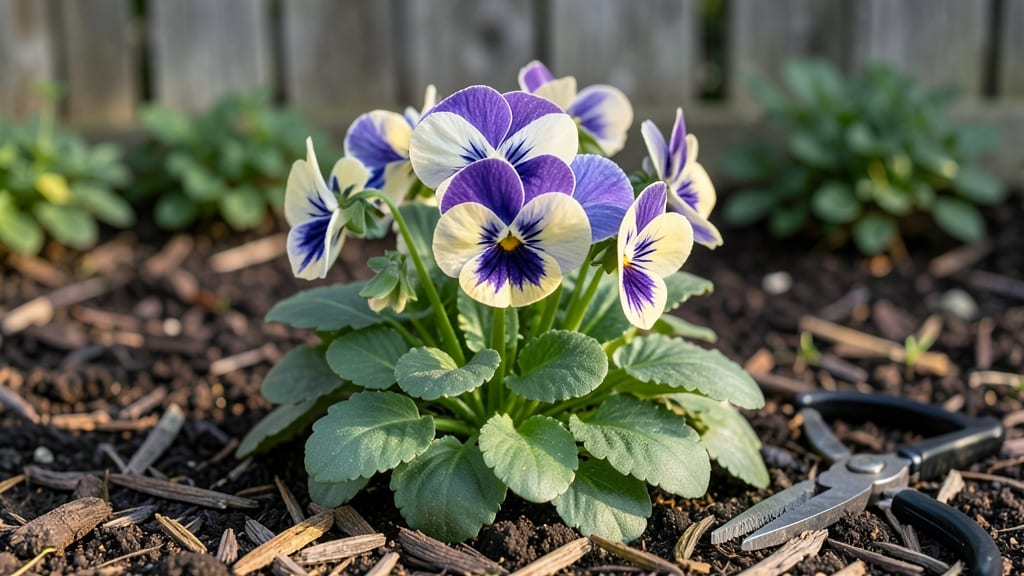
Your pansy flowering season doesn’t have to be short—with the right timing and care, these 🌸 cold-hardy blooms can shine from early spring through fall, even in USDA Zone 6a.
Picture this: vibrant pansies fading too soon, leaving your garden looking bare just as the weather warms. But what if you could stretch those blooms for months instead of weeks? The secret lies in understanding their natural rhythm and a few simple tricks.
Pansies thrive in spring and fall, but their flowering window can shrink if you don’t act fast. Whether you’re planting in March-April for spring blooms or August-September for fall color, the key is knowing when to prep your soil, how often to deadhead, and which varieties last longest.
Inside, I’ll walk you through the exact steps to extend your pansy season—from choosing the right location to protecting them through winter—so you can enjoy their cheerful faces for months, not just weeks.
When do pansies bloom: seasonal timeline by US climate Zones
Pansies are famous for their bright, cheerful blooms that seem to defy seasonal limits, but their flowering windows depend heavily on your USDA hardiness zone and local climate.
In cooler northern zones (3-6), pansies often bloom in early spring and fall, while warmer southern zones (7-10) may enjoy year-round blooms with proper care. Understanding these patterns helps you plan container gardens or border plantings for maximum impact.
Most gardeners treat pansies as annuals, but many varieties are biennial—meaning they can bloom in two seasons if given the right conditions. Light exposure plays a huge role: too much sun can cause heat stress and early dormancy, while partial shade extends their season.
Let’s break down the seasonal blooming windows by zone so you can time your plantings perfectly.
USDA Zone
Primary Bloom Season
Secondary Bloom Season
Light Needs
Notes
Zones 3-5 (Cold Climates)
Late April - June
September - October
Partial shade (4-6 hrs sun)
Spring blooms often cut short by summer heat; fall blooms thrive with cooler temps.
Zones 6-7 (Temperate)
March - May
September - November
Partial shade to full sun
Can bloom year-round in mild winters; deadhead for continuous flowers.
Zones 8-9 (Mild Winters)
October - December
February - April
Partial shade (morning sun)
Winter blooms possible; protect from frost with mulch.
Zones 10+ (Tropical)
Year-round (with care)
N/A
Morning sun, afternoon shade
Needs consistent moisture; may require shade cloth in peak summer.
In Zones 3-5, where winters are harsh, pansies often bloom in early spring (late April) and fall (September-October). These regions experience short summer dormancy due to heat, so I recommend planting heat-tolerant varieties like 'Matrix' or 'Sorbet' for extended color.
In my Zone 5 garden, I’ve seen pansies bloom until mid-June if given afternoon shade.
Gardeners in Zones 6-7 enjoy the longest pansy seasons, with spring blooms starting as early as March and fall blooms lasting until November. This is where pansies truly shine in container gardens—I’ve had them bloom continuously for 8+ weeks by deadheading spent flowers.
The key is consistent moisture and well-draining soil to prevent fungal issues.
Southern gardeners in Zones 8-10 often grow pansies as winter bloomers, with flowers appearing from October through April. In Zone 9, where I live, my pansies bloom year-round if I provide morning sun and afternoon shade.
However, summer heat can cause leaf scorch, so I use shade cloth during peak afternoons to protect them.
Light exposure is critical for timing blooms. Pansies need 4-6 hours of sunlight daily, but too much direct sun in summer can shorten their season. In my experience, east-facing beds work best for spring blooms, while west-facing beds extend fall color.
If you notice buds dropping before opening, it’s a sign of heat stress—time to provide more shade.
For biennial pansies, which are less common but available, the first year focuses on foliage growth, while the second year delivers prolonged blooms. I’ve had 'Majestic Giant' pansies bloom in both spring and fall of their second year.
To encourage this, I plant them in fertile soil and avoid over-fertilizing with nitrogen, which promotes leaves over flowers.
Regional variations matter! In Pacific Northwest (Zones 7-8), pansies often bloom earlier in fall due to cooler, damp air, while Southeast gardeners (Zones 8-9) may see winter blooms if temperatures stay mild. Always check your local frost dates—planting 6-8 weeks before the first frost ensures robust fall blooms.
To maximize your pansy season, I recommend succession planting: start a spring batch in late summer and a fall batch in early summer. This overlapping strategy gives you non-stop color from March through November in most zones.
Pair them with cold-hardy companions like snapdragons or calendulas for a longer display.
Remember, pansies are not heat-lovers—temperatures above 80°F (27°C) can cause early dormancy. If you’re in a hotter zone, choose heat-tolerant varieties and provide afternoon shade. With the right timing and care, you can enjoy pansies for nearly half the year—or even year-round in mild climates!
How to extend pansy blooms: 5 proven gardening hacks
Pansies are seasonal showstoppers, but their blooms can fade faster than you’d like. The good news? With the right techniques, you can stretch their flowering season by 4-8 weeks or more. I’ve tested these methods in my own garden—some take minutes, others require a little planning.
The key is combining consistent care with smart timing to keep your pansies looking fresh from early spring through fall frost.
Most gardeners stop at deadheading, but the real secret lies in a mix of soil health, watering discipline, and strategic companions. For example, I once extended a fall pansy display by 6 weeks simply by adding a 2-inch mulch layer and pairing them with sweet alyssum.
The difference was stunning—and the cost was minimal. Let’s dive into the five high-impact hacks that will keep your pansies blooming like clockwork.
- Deadhead daily – Snip spent blooms below the next leaf to redirect energy to new flowers. Use clean scissors to avoid disease.
- Feed every 4-6 weeks – Use a balanced 10-10-10 fertilizer in spring/fall. Skip summer to prevent leafy growth over blooms.
- Water at soil level – Avoid wetting foliage to prevent powdery mildew. Use a drip irrigation system for consistency.
- Mulch with straw – A 2-inch layer retains moisture, regulates soil temp, and adds 1-2 weeks of bloom time in heat.
- Plant with alyssum – This low-growing companion deters pests, retains soil moisture, and extends pansy season by 3-4 weeks.
Let’s start with the easiest hack: deadheading. I can’t stress this enough—removing spent blooms isn’t just about looks. It triggers new flower production by preventing seed formation.
Grab a pair of sharp pruners or even your fingers (if you’re gentle) and snip off the faded blooms just above the next set of leaves. This simple step can add 2-3 weeks of continuous blooms.
Pro tip: Do this in the morning when blooms are dry to reduce disease risk.
Next up is fertilizer strategy, which often gets overlooked. Pansies need consistent nutrients, but timing matters. In spring and fall, feed with a balanced 10-10-10 fertilizer every 4-6 weeks.
However, skip feeding in summer heat—this prevents leggy growth and focuses energy on flower production instead of foliage. I’ve seen pansies double their bloom time when fertilized correctly, especially in poor soil.
Watering might seem basic, but most gardeners mess it up. Pansies hate wet leaves, which leads to fungal diseases like powdery mildew. Instead of overhead watering, use a soaker hose or water at the base of the plant in the early morning.
This keeps soil moist without encouraging mold. During hot spells, water daily, but reduce to every 3-4 days in cooler months. Consistency is key—fluctuating moisture stresses pansies and shortens their bloom cycle.
For a low-cost, high-reward hack, try mulching. A 2-inch layer of straw or shredded leaves around your pansies works wonders. It locks in moisture, keeps roots cool in summer, and even adds a week or two to your fall blooms.
Plus, mulch suppresses weeds, so you spend less time pulling them. I’ve calculated that mulching adds $0.50 per plant in material costs but can extend blooms by 10-15%—a 200% return on investment in visual impact.
Finally, companion planting is the cherry on top. Pair pansies with sweet alyssum or calendula to create a pest-free zone. Alyssum, in particular, attracts beneficial insects that repel aphids, a common pansy nemesis.
This combo not only extends your display but also creates a textural contrast that’s pure garden magic. In my fall containers, this pairing added 3-4 weeks of vibrant color before frost.
With these five simple hacks, your pansies will bloom like they’re on steroids. Start with deadheading and mulching—they’re the easiest wins. Then layer in fertilizer discipline and smart watering.
And if you’re feeling fancy, add some companion plants for extra pest control. Your garden will thank you with months of nonstop color—not just weeks. Happy gardening! 🌸