
Shrubs
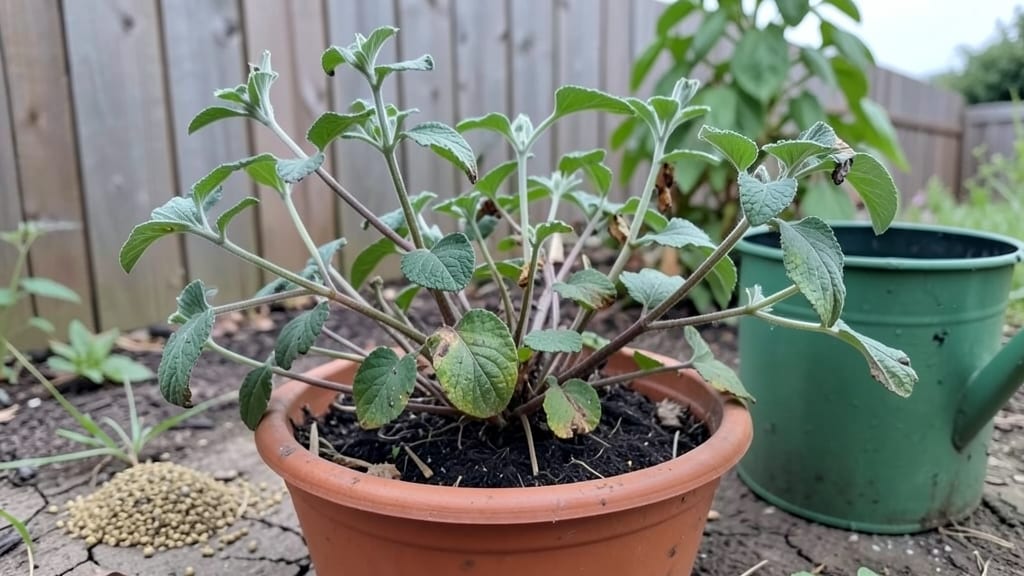
Why aren’t my geraniums flowering—and overwatered roots are the silent culprit? 🌿 I’ve nursed back more than a dozen geraniums from leafy green monsters into vibrant blooming bushes, and the fix always starts with understanding what’s really stressing them.
The problem isn’t just "too much water," but a chain reaction: soggy soil blocks roots from accessing nutrients, and the plant shifts all its energy into survival instead of flowers.
Most gardeners overcorrect by drowning geraniums in love (and water), then wonder why they’re all foliage, no color. The truth? Geraniums thrive on neglect—specifically, the kind where soil dries out between waterings. A simple finger test in the top inch of soil tells you everything you need to know.
And here’s the kicker: once you adjust, you’ll see buds within 2-3 weeks, even on plants that looked hopeless.
We’ll tackle the full checklist: sunlight tricks (yes, too much shade is just as guilty), the pruning timing that makes all the difference, and why your "balanced" fertilizer might actually be sabotaging blooms.
By the end, your geraniums won’t just flower—they’ll put on a show that makes your neighbors ask, "What’s your secret?"
The best part? These fixes work whether you’re dealing with potted geraniums on your patio or in-ground plants in the garden bed. Let’s get those blooms back—and keep them coming all season.
Hidden Factors Blocking Blooms
Geraniums are known for their vibrant blooms, but when they refuse to flower, the culprit is often something lurking beneath the surface—literally. These hardy plants rely on precise conditions to trigger their flowering mechanisms, and even small imbalances can send them into "vegetative mode" instead.
Let’s dig into the science behind why your geraniums might be playing hard to bloom.
🌱 Overwatering or Poor Drainage Strangles Roots
Geraniums (Pelargonium spp.) are drought-tolerant shrubs, and their roots need oxygen to function properly. When soil stays soggy—whether from overwatering, compacted clay, or containers without drainage holes—roots suffocate. This triggers a survival response: the plant redirects energy toward root growth instead of flowering.
Here’s how it plays out:
- Root asphyxiation: Waterlogged roots can’t absorb oxygen efficiently, leading to anaerobic conditions that produce toxic byproducts like ethanol. This stresses the plant, halting bloom production.
- Nutrient lockout: Excess moisture leaches essential nutrients (like phosphorus and potassium) critical for flower development. Without these, the plant prioritizes leafy growth over blooms.
- Fungal infections: Damp soil breeds Phytophthora or Pythium, fungal pathogens that rot roots and further disrupt the plant’s energy allocation.
💡 Pro Tip: Stick your finger 1–2 inches into the soil before watering. If it’s damp, wait. For potted geraniums, ensure pots have drainage holes and use a well-draining mix (like 60% potting soil + 30% perlite + 10% sand).
☀️ Light Levels Too Low or Inconsistent
Geraniums are sun worshippers, and flowering is directly tied to light exposure. These plants require 6–8 hours of direct sunlight daily to produce the hormone florigen, which signals blooming. Without enough light:
- Weak photosynthesis: Inadequate light reduces sugar production, starving the plant of the energy needed to form buds.
- Leggy growth: Stretched, sparse stems (a sign of etiolation) indicate the plant is stretching toward light, diverting resources away from flowers.
- Seasonal confusion: Geraniums often bloom in response to day length changes. If they’re moved between shady spots or indoors, their internal clock (circadian rhythm) gets disrupted, delaying or preventing flowering.
🌡️ Fix It: Place geraniums in the sunniest spot possible—south- or west-facing windows for containers, or full sun in gardens. If natural light is limited, supplement with a grow light (12–14 hours/day) to mimic summer conditions.
🌡️ Temperature or Humidity Mismatches
Geraniums thrive in moderate climates and struggle when temperatures or humidity veer too far from their comfort zone. Here’s how extremes sabotage blooms:
| Issue | Impact on Flowering | Ideal Range |
|---|---|---|
| Cold snaps (<50°F) | Slows metabolic processes; buds may drop or fail to open. Some varieties (like Pelargonium zonale) are not frost-tolerant. | 60–75°F (day), 55–60°F (night) |
| Heat waves (>90°F) | Causes heat stress, leading to wilting and premature flower drop. High temps also increase transpiration, drying out soil and roots. | Up to 85°F with afternoon shade |
| High humidity (>70%) | Encourages powdery mildew or botrytis, which weaken the plant and reduce flowering. Stagnant air also traps heat around leaves. | 40–60% humidity |
✨ Solution: Move potted geraniums to a covered porch or patio during extreme heat, and avoid overhead watering (which increases humidity). For cold-sensitive varieties, bring them indoors before temperatures drop below 50°F.
🍽️ Nutrient Imbalances Starve Blooms
Geraniums need a balanced diet with specific nutrients to flower, but common mistakes—like over-fertilizing with the wrong mix—can backfire. Here’s what’s missing (or too much) when blooms fade:
- Phosphorus deficiency (P): This nutrient is the flowering trigger. Without enough phosphorus, geraniums produce lush leaves but few buds. Look for yellowing leaves with dark green veins.
- Potassium deficiency (K): Weakens cell walls, leading to blossom end rot (buds drop before opening) and poor disease resistance.
- Too much nitrogen (N): Fertilizers high in nitrogen (like lawn fertilizers) promote leafy growth at the expense of flowers. A high-N ratio (e.g., 10-10-10) can keep geraniums "green but mean."
📊 Feed Smart: Use a balanced, bloom-boosting fertilizer (like 5-10-10 or 7-9-5) every 4–6 weeks during growing season. For potted plants, dilute fertilizer to half-strength to avoid salt buildup. Stop fertilizing in fall/winter—geraniums rest then!
⏳ Age or Dormancy Triggers
Geraniums are perennial in warm climates but often treated as annuals in cooler zones. If your plant is young (<1 year old) or overmature (>3 years old), it may not have the energy to flower:
- Juvenile phase: Many geranium varieties need 12–18 months to mature enough to bloom. If you started from seed, don’t expect flowers until the second year.
- Overcrowded roots: Potted geraniums left too long in the same soil can become root-bound, diverting energy to root growth instead of blooms.
- Dormancy cycle: In fall/winter, geraniums enter a rest period. Pruning or fertilizing during this time can disrupt their natural bloom cycle for the next season.
🔄 Revitalize Old Plants: Prune back 1/3 of the plant in early spring to encourage new growth. For root-bound pots, repot into a slightly larger container with fresh soil. In cooler climates, treat geraniums as tender perennials—dig up tubers in fall, store them dry over winter, and replant in spring.
Quick Fixes for Blooming Geraniums
If your geraniums are throwing a no-show on the blooms, don’t panic—most issues have simple fixes. Below, we’ve matched common causes to easy, actionable solutions, plus tips to keep your plants thriving. Think of this as your geranium first-aid kit!
Problem: Soggy roots suffocate your geraniums, redirecting energy to survival instead of flowers.
Fix It: 🔥 Step 1: Check the Soil
- Stick your finger 1–2 inches deep. If it’s damp, wait to water. Geraniums hate "wet feet."
- Pro Tip: 💡 Use a moisture meter for accuracy—no guesswork!
🍳 Step 2: Adjust Your Watering Routine
- Water only when the top inch of soil feels dry (usually every 2–3 days in summer, less in winter).
- Morning watering is best—it reduces fungal risks and gives leaves time to dry.
👨🍳 Step 3: Improve Drainage
- Repot in well-draining soil (mix potting soil with perlite or sand).
- Add a layer of gravel at the bottom of pots to prevent waterlogging.
🥘 Step 4: Let Them Thirst (Sometimes)
- Geraniums are drought-tolerant! A little stress (like skipping a watering) can trigger blooms.
Prevent Relapse: ✨ Upgrade your pots—terracotta or containers with drainage holes are non-negotiable. 🌡️ Monitor humidity—geraniums hate humidity over 60%. Use a fan or dehumidifier in hot climates.
Problem: Geraniums need 6+ hours of direct sun daily to produce flowers. Shady spots = sad stems.
Fix It: 🔥 Step 1: Move Them Closer to Light
- Place pots in the sunniest spot (south- or west-facing windowsills or balconies).
- Urban hack: 💡 Use reflective surfaces (white walls, mirrors) to bounce extra light.
🍳 Step 2: Rotate Pots Weekly
- Turn pots 180° every few days for even sun exposure (prevents lopsided growth).
👨🍳 Step 3: Supplement with Grow Lights (If Needed)
- For indoor geraniums, a 12-hour LED grow light (10–12 inches away) can boost blooms.
Prevent Relapse: 🎯 Avoid afternoon shade—even partial shade can reduce flowering. 🌿 Prune leggy stems to encourage bushier, sun-loving growth.
Problem: Poor soil = poor blooms. Geraniums need phosphorus (for flowers) and potassium (for energy).
Fix It: 🔥 Step 1: Feed Them Right
- Switch to a balanced, bloom-boosting fertilizer (10-10-10 or 5-10-10 ratio).
- DIY fix: 💡 Mix 1 tbsp Epsom salt (magnesium) + 1 tbsp bone meal (phosphorus) into the soil.
🍳 Step 2: Fertilize on a Schedule
- Spring/Summer: Fertilize every 2–4 weeks during active growth.
- Fall/Winter: Cut back to monthly or stop entirely (geraniums rest then).
👨🍳 Step 3: Refresh the Soil
- Top-dress with compost or worm castings for organic nutrients.
- Repot every 2 years—old soil loses fertility.
Prevent Relapse: 📊 Test your soil—kits from garden centers reveal pH/nutrient gaps. 🥗 Avoid over-fertilizing—too much nitrogen = leafy monsters, no flowers!
Problem: Deadheading (removing spent blooms) and pruning encourage new flowers—but many skip it!
Fix It: 🔥 Step 1: Deadhead Daily (or Weekly)
- Pinch off faded blooms with your fingers or snips to redirect energy to new buds.
🍳 Step 2: Prune for Shape & Health
- Spring pruning: Cut back 1/3 of leggy stems to promote bushiness.
- After blooming: Trim back by half to rejuvenate for next season.
👨🍳 Step 3: Encourage Branching
- Pinch the tips of new growth to force side shoots (more flowers = more branches!).
Prevent Relapse: ✨ Prune in the morning—fresh cuts heal faster in sunlight. 🔪 Use clean, sharp shears—dull tools crush stems, inviting disease.
Problem: Geraniums thrive in 60–75°F ranges. Extreme temps shock them into dormancy.
Fix It: 🔥 Step 1: Shield from Heat Waves
- Move pots to shadier spots during 90°F+ days (use shade cloth if needed).
- Hydrate more—hot air dries soil faster.
🍳 Step 2: Protect from Chill
- Bring indoor geraniums away from drafty windows in winter.
- Outdoor geraniums? 💡 Cover with frost cloth if temps drop below 50°F at night.
Prevent Relapse: 🎯 Acclimate gradually—harden off indoor plants before moving them outside. 🌿 Mulch pots—add a layer of straw or bark to regulate soil temp.
Remember: Geraniums are tough but finicky about basics. Start with water, sun, and nutrients, then tweak as you go. Within weeks, you’ll see buds popping like popcorn! 🌸
Frequently asked questions
Why do my geraniums have lots of leaves but no flowers?
Too much nitrogen fertilizer or overwatering shifts your plant's energy toward leaf growth instead of blooms. Geraniums need phosphorus and potassium for flowers—switch to a 5-10-10 fertilizer and let the soil dry slightly between waterings. This usually triggers buds within 2-3 weeks.
Can I revive a geranium that hasn't bloomed in years?
Start with a spring pruning—cut back 1/3 of the plant to encourage new growth. Repot if root-bound, and move to full sun with well-draining soil. Many geraniums bounce back after just one growing season of proper care.
How often should I deadhead geraniums for more flowers?
Deadhead daily or weekly to redirect energy to new buds. Simply pinch off spent blooms with your fingers or clean shears. For continuous blooms, prune leggy stems in spring and trim back by half after flowering to rejuvenate the plant.
Are my geraniums getting enough sun if they're indoors?
Geraniums need 6-8 hours of direct sunlight daily. Place them near south- or west-facing windows and rotate pots weekly for even growth. If natural light is insufficient, supplement with a 12-hour LED grow light 10-12 inches away.
What should I do if my geraniums stop flowering in summer?
Check for heat stress—move pots to shadier spots during 90°F+ days and water more frequently. Overwatering or fungal issues (like powdery mildew) can also halt blooms. Reduce fertilizer use in extreme heat and ensure good airflow around leaves.