Shrubs
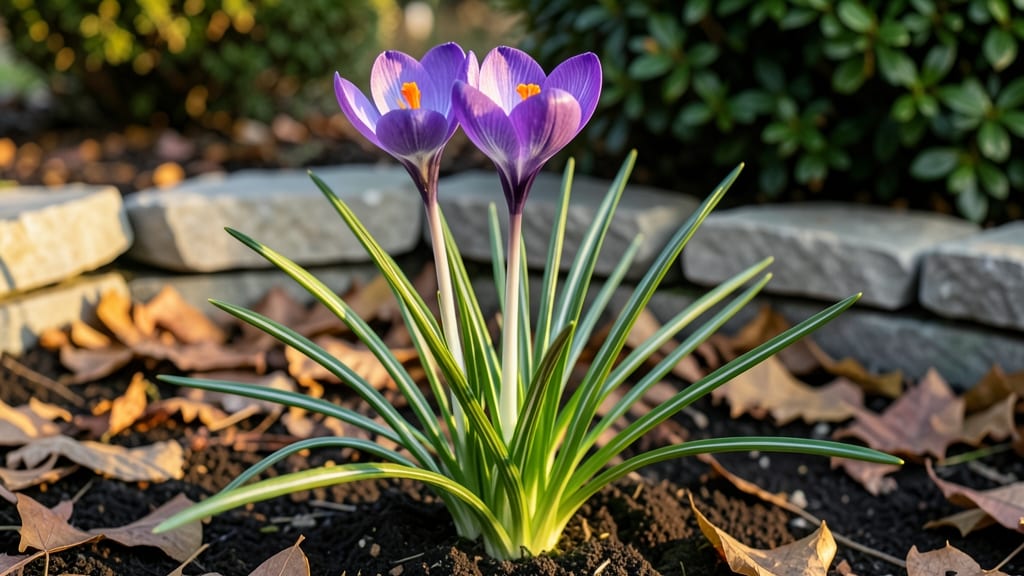
Autumn flowering crocus brings unexpected color to gardens when most plants have faded. 🌿 These hardy bulbs thrive in cool weather, offering delicate blooms from late September through November—just when your garden needs a lift.
I planted mine last October, and they’ve become a fall staple, pushing through lawns and borders with cheerful purple, white, and yellow flowers.
The secret to their success lies in timing and soil. Plant bulbs 6 weeks before your first frost when soil temperatures drop below 60°F, ensuring roots establish before winter.
Well-draining soil prevents rot, and a sunny spot with partial afternoon shade keeps blooms vibrant. Unlike spring crocuses, these varieties tolerate moist conditions better, making them ideal for fall gardens.
You’ll love how they naturalize over time, multiplying each year to create carpets of color. Pair them with mums, ornamental grasses, or low-growing sedum for a layered fall display. The blooms even attract early pollinators, giving your garden a head start on spring activity.
Perfect for lawns, rock gardens, or container edges, these crocuses require minimal care once planted. Just remember: no summer watering—they go dormant naturally. By next autumn, you’ll have a self-sustaining burst of seasonal charm with almost no effort.
📚 In This Guide
- What you need
- Instructions
- Tips and common mistakes
- Wrapping up and next steps
What you need
- ● Autumn flowering crocus bulbs: 10–20 bulbs per 10 sq. ft. (choose varieties like Crocus speciosus or Crocus sativus for vibrant fall blooms).
- ● Well-draining soil: A mix of garden soil, compost (20–30%), and perlite or sand (10–15%) for aeration.
- ● Organic fertilizer: A balanced 10-10-10 or slow-release bulb fertilizer (follow package rates).
- ● Mulch: 1–2 inches of shredded bark, straw, or pine needles to retain moisture and insulate roots.
- ● Hand trowel or bulb planter (for precise digging).
- ● Garden gloves (to protect hands from sharp soil/bulbs).
- ● Watering can or hose with a gentle spray nozzle.
- ● Measuring tape or ruler (for spacing bulbs 3–4 inches apart).
- ● Soil pH tester: Aim for a slightly acidic to neutral range (6.0–7.0).
- ● Compost tea: Boosts microbial activity for healthier blooms.
- ● Decorative stones: Adds a polished look to planted areas.
- ● Shade cloth: Protects young sprouts from harsh afternoon sun (if planting in hot climates).
How to plant and care for autumn flowering crocus
Here's the foolproof method I've used for years to get vibrant fall blooms that outshine spring crocus.
🌱 Step 1: Choose the Right Corms and Planting Time
Select autumn-flowering crocus corms (typically 1-2 inch diameter) from a reputable supplier. These are larger than spring types and specifically bred to bloom in fall. Plant them when soil temperatures drop to 60-65°F—usually 6-8 weeks before your first frost. This timing ensures they establish roots before winter dormancy.
I always plant mine in September or early October in my zone 6 garden. The key is getting them in the ground while the soil is still warm enough to encourage root growth but cool enough to trigger flowering. If you plant too early, they may sprout and get damaged by late summer heat.
🪴 Step 2: Prepare the Planting Site
Choose a location with full sun to partial shade—morning sun with afternoon shade works best in hot climates. Crocus thrive in well-draining soil, so amend heavy clay with 1-2 inches of sand or perlite per 12-inch depth of soil. They hate soggy roots, which leads to rot.
Loosen the soil to a depth of 6 inches with a garden fork, breaking up any compacted layers. Work in 1 cup of bone meal fertilizer per 10 square feet to provide phosphorus for strong root development. This ensures next year's blooms will be even more vigorous.
⏰ Step 3: Plant Corms at the Correct Depth and Spacing
Dig holes 3-4 inches deep—about 3 times the corm's diameter. Plant with the pointed end facing upward (this is where the shoot will emerge). Space corms 2-3 inches apart in rows 4-6 inches apart for a natural, meadow-like look.
Cover the corms with soil and water gently to settle it around the roots. Don't overwater—just enough to moisten the soil to 2 inches deep. I like to add a 1-inch layer of mulch afterward to protect against winter temperature swings and retain moisture.
💧 Step 4: Water and Maintain Through Winter
After planting, water once every 10-14 days until the ground freezes, keeping the soil slightly moist but never soggy. Once frost arrives, stop watering entirely—crocus need a dry dormancy period to bloom reliably. The mulch will protect them through winter.
In late winter (around February), remove the mulch and water lightly to encourage new growth. You'll see leaves appear first, followed by the vibrant purple, white, or yellow flowers in 3-4 weeks. This is your reward for proper planting!
☀️ Step 5: Enjoy Fall Blooms and Plan for Next Year
Autumn crocus typically bloom for 2-3 weeks starting in late September or October. They're early food for pollinators and add cheerful color when most gardens are winding down. Once flowers fade, let the foliage die back naturally—it stores energy in the corms for next year's blooms.
After blooming, fertilize lightly with ½ cup of 5-10-10 fertilizer per 10 square feet in early spring to support next season's flowers. Over time, your crocus will naturalize and multiply, creating a stunning carpet of color year after year with minimal effort.
Tips & tricks for perfect autumn flowering crocus planting
These garden-tested strategies will help you achieve show-stopping fall blooms that return year after year.
Corm Selection Tip: When choosing your 1-2 inch autumn-flowering corms, look for firm, plump bulbs with no soft spots or mold. The pointed end should be clearly visible—this is your visual cue for proper planting orientation in Step 3. I've found that corms from specialty bulb growers often produce more vibrant colors and larger blooms than standard garden centers.
Soil Preparation Secret: For the 12-inch soil depth amendment in Step 2, I recommend mixing in 1 part sand or perlite to 3 parts soil—this creates ideal drainage without overwhelming the native soil structure. Test your soil's drainage by digging a hole, filling it with water, and timing how long it takes to drain: if it takes more than 4 hours, you need more amendment. The bone meal fertilizer should be worked in thoroughly to prevent clumping near the corms.
Planting Depth Precision: The 3-4 inch planting depth in Step 3 is crucial—any deeper and they may rot, any shallower and they won't establish properly. Use a ruler to verify depth after planting, and gently press soil around each corm to eliminate air pockets. In heavy clay soils, I create small drainage wells beneath each corm to prevent water pooling.
Winter Care Strategy: When you stop watering after frost arrives in Step 4, don't be tempted to water again until February—this dry dormancy period is what triggers reliable blooming. I mark my garden calendar with the planting date and add 6 months to know when to resume light watering. The 1-inch mulch layer acts as insulation, but avoid thick mulch that could smother emerging shoots in spring.
Pro Tips for Autumn Flowering Crocus
- These garden-tested strategies will help you achieve show-stopping fall blooms that return year after year.
- Corm Selection Tip: When choosing your 1-2 inch autumn-flowering corms, look for firm, plump bulbs with no soft spots...
- Soil Preparation Secret: For the 12-inch soil depth amendment in Step 2, I recommend mixing in 1 part sand or perlite...
Frequently asked questions
Got questions about autumn flowering crocus? You’re not alone! Here are some of the most common queries—and their answers—to help you grow these cheerful blooms with confidence.
When do autumn flowering crocus bloom, and how long do they last?
Autumn crocus (like Crocus speciosus or Crocus sativus) typically bloom in late September through November, often before other perennials wake up. Their flowers last 2–3 weeks per bloom cycle, but they’re so vibrant, you’ll barely notice! Planting in well-drained soil ensures longer-lasting blooms.
Can autumn crocus survive winter frost?
These hardy bulbs thrive in winter and often reappear year after year. They’re cold-tolerant (USDA Zones 3–9) and even prefer cooler weather. Just avoid planting in soggy soil—they hate wet feet. Mulch lightly in harsh winters for extra protection.
What’s the difference between autumn crocus and spring crocus?
Autumn crocus (like Crocus sativus, the saffron crocus) bloom in fall, while spring crocus (e.g., Crocus vernus) pop up in late winter/early spring. Autumn types have larger, showier flowers and often grow from Crocus genus, not Colchicum (meadow saffron), which mimics them but isn’t true crocus.
Why aren’t my autumn crocus blooming? Troubleshooting tips!
No flowers? Check these fixes:
- Not enough sun: They need 6+ hours of light daily. Move to a sunnier spot.
- Overcrowded bulbs: Dig up and separate bulbs every 3–4 years for better blooms.
- Poor soil: Amend with compost for drainage. They hate soggy roots!
- Wrong variety: Some "autumn crocus" are actually Colchicum—verify your bulbs!
Can I grow autumn crocus in containers?
Yes! Use a well-draining pot with a mix of potting soil and perlite. Choose shallow-rooted varieties like Crocus speciosus for best results. Place containers in full sun to partial shade and water moderately—let the soil dry slightly between waterings. Perfect for balconies or patios!
Wrapping up and next steps
Autumn flowering crocus isn’t just a burst of color—it’s a simple, rewarding way to transform your garden into a fall masterpiece. Whether you’re a seasoned gardener or just starting, these hardy blooms bring joy with minimal effort.
Ready to plant your own autumn magic? Grab your gloves, pick your favorite varieties, and get growing—your garden (and future pollinators!) will thank you. 🌿✨
Next step: Mark your calendar for late September to early October—that’s when autumn crocus loves to be planted—and watch your yard become a cozy, colorful haven before winter sets in.