
Companion Plants
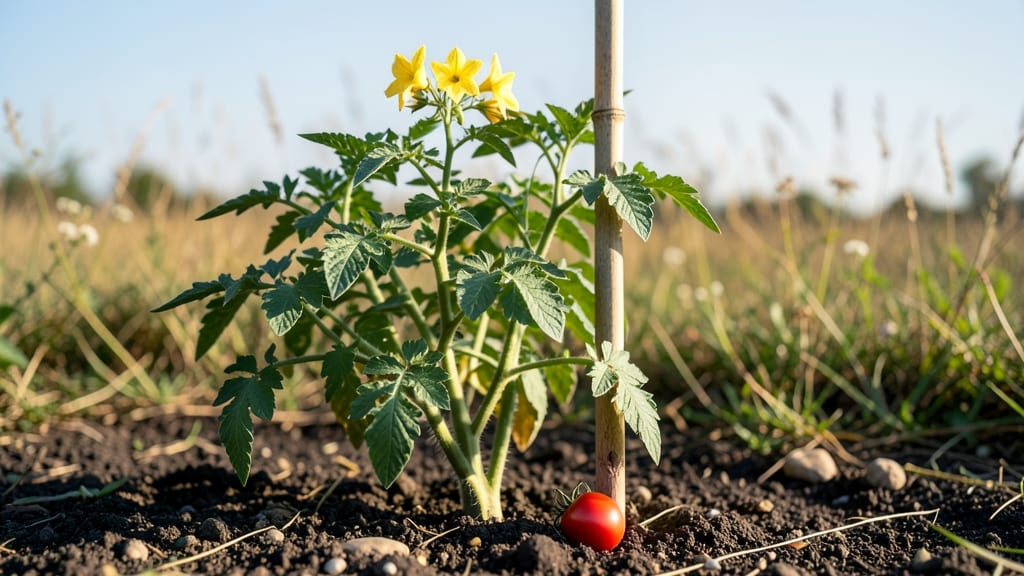
When your small tomato plants start flowering, the real work begins—turning those first blossoms into a bountiful harvest. 🌱 I’ve watched my own plants drop flowers for years, but once I learned how to boost pollination and adjust care, my fruit set went from disappointing to downright embarrassing in productivity.
The problem isn’t just about bees—it’s also about heat, wind, or even over-fertilizing with nitrogen. Pruning correctly, hand-pollinating stubborn flowers, and tweaking your watering schedule can make all the difference. My plants now hold onto fruit like they’re auditioning for a prize at the county fair.
You’ll end up with clusters of tomatoes instead of scattered blossoms falling to the ground. The key is timing: prune in the morning, pollinate midday, and feed roots—not leaves—when flowers appear. Within weeks, you’ll see those first green fruits swelling on the vine.
Works for cherry tomatoes, beefsteaks, and everything in between, whether you’re growing in pots or the ground. Let’s get those flowers turning into fruit!
Behind The Scenes Causes
When your small tomato plants flowering but fail to produce the juicy, plump fruits you dream of, the issue often lies in hidden factors that disrupt their natural growth cycle. Understanding these root causes—ranging from environmental stressors to biological quirks—helps you intervene with precision.
Let’s break down the science behind why your tomato flowers might be blooming but not bearing fruit.
Tomatoes are self-pollinating, meaning they rely on wind, vibration, or insects (like bees) to transfer pollen from the male anthers to the female stigma. But when plants are small, weak, or isolated, this process can stall.
- Why it happens: Small tomato plants often have fewer flowers per cluster and weaker stems that don’t vibrate enough to shake pollen loose. Overcast skies or enclosed spaces (like greenhouses) reduce airflow, leaving pollen stuck.
- Science in action: Pollen grains need to land on the stigma within 24–48 hours of opening to trigger fruit set. If they don’t, flowers drop off—wasted energy for your plant.
- Actionable fix:
- Gently tap flowering stems with a small brush or your finger to simulate wind.
- Plant companion pollinators like basil, marigolds, or borage nearby to attract bees.
- For indoor growers, use a small paintbrush to manually pollinate flowers.
Tomatoes are temperature-sensitive, and both heat and cold can sabotage flowering and fruit development. While they thrive in warm weather, pushing limits in either direction throws their reproductive system into overdrive—or shutdown.
- Why it happens:
- Heat stress (>90°F/32°C): High temps cause flower drop by disrupting pollen viability. Flowers may open but fail to set fruit.
- Cold snaps (<50°F/10°C): Chilly nights slow metabolic processes, preventing proper fertilization even if flowers bloom.
- Science in action: Tomatoes produce ethylene gas during stress, which can trigger premature flower abortion if conditions don’t stabilize.
- Actionable fix:
- Provide shade cloth (30–50%) during peak afternoon heat.
- Use row covers or mulch to moderate soil temps and protect roots.
- For greenhouses, ventilate or use fans to improve airflow and reduce heat buildup.
Water and nutrients are the lifeblood of tomato plants, and imbalances here directly impact flower health. Too much or too little of either can lead to weak, non-productive blooms.
| Issue | Why It Happens | Signs in Plants |
|---|---|---|
| Overwatering | Excess moisture drowns roots, preventing nutrient uptake. Flowers may form but drop due to poor energy allocation. | Yellowing leaves, wilting despite wet soil, blossom end rot. |
| Underwatering | Drought stress causes abscisic acid (a plant hormone) to spike, triggering flower drop to conserve resources. | Crispy leaf edges, stunted growth, flowers wilting by midday. |
| Nitrogen Deficiency | Too much nitrogen promotes leafy growth at the expense of flowers. Plants prioritize foliage over fruit production. | Dark green, lush leaves but no flowers or tiny, weak blooms. |
| Phosphorus/Potassium Lack | These nutrients are critical for flower and fruit development. A deficit stalls pollination and weakens fruit walls. | Purple-tinged stems, slow growth, flowers that form but fail to set. |
Actionable fix:
- Water deeply 1–2 times per week (1–1.5 inches per session), letting soil dry slightly between sessions.
- Use a balanced fertilizer (10-10-10 or 5-10-10) at first flowering, then switch to a low-nitrogen, high-phosphorus blend (e.g., 2-4-4) to boost fruit set.
- Avoid fresh manure near flowering—it can burn roots and disrupt nutrient balance.
Stressed tomato plants redirect energy to survival rather than reproduction. Whether from pests, disease, or transplant shock, their priority shifts away from producing fruit.
- Why it happens:
- Pests (aphids, whiteflies, hornworms): These sap-suckers weaken plants by draining nutrients, leading to stunted growth and poor flower development.
- Disease (early blight, fusarium wilt): Fungal/bacterial infections clog vascular systems, preventing water and nutrients from reaching flowers.
- Transplant shock: Disturbing roots during repotting triggers ethylene production, which can cause flower drop.
- Science in action: Tomato plants release volatile organic compounds (VOCs) when stressed, signaling pests to lay more eggs—a vicious cycle.
- Actionable fix:
- Inspect plants weekly for pests; use neem oil or insecticidal soap for mild infestations.
- Rotate crops annually to prevent soil-borne diseases.
- Hardening off seedlings gradually (7–10 days) before transplanting to minimize shock.
Not all tomato varieties are created equal—and some are less productive under certain conditions. If you’re growing small-fruited or heirloom types, their natural tendencies might be limiting your harvest.
- Why it happens:
- Determinate varieties: These bush types produce a single flush of flowers followed by fruit set. If conditions aren’t ideal during that window, yields suffer.
- Heirloom tomatoes: Often less disease-resistant and slower to mature, leading to smaller or fewer flowers if not given optimal care.
- Dwarf or patio tomatoes: Bred for compact growth, they may have limited flower clusters due to genetic constraints.
- Actionable fix:
- Choose
Revitalize Your Tomato Plants Now
When your small tomato plants start flowering but struggle to set fruit, the good news is that most issues have simple, actionable fixes. Below, we’ll map common causes to direct solutions—plus prevention tips to keep your plants thriving.
Think of this as your plant’s emergency repair kit, packed with quick wins and long-term strategies.
Cause: Weak or absent pollination (especially in greenhouses, rainy climates, or self-pollinating varieties like cherry tomatoes).
How to Fix It:
- 🔥 Hand-Pollinate Like a Pro Gently shake the tomato plant’s stems early in the morning (when humidity is low) to dislodge pollen. For stubborn flowers, use a soft paintbrush to transfer pollen from one blossom to another. Pro tip: Focus on flowers that are fully open—they’re ready for pollination!
- 🐝 Invite Pollinator Buddies Plant companion pollinators nearby:
- Basil (repels pests and attracts bees)
- Marigolds (bright colors lure bees)
- Borage (a bee magnet with edible flowers)
- Dill or Fennel (herbs that double as bee hotels)
- 🌡️ Optimize Temperature & Humidity Tomatoes need warm days (75–85°F) and cool nights (55–65°F) for pollination. If your greenhouse is too humid:
- Use a fan to circulate air.
- Open vents on mild days to reduce stagnant air.
Prevention Tip: 🎯 Start with self-pollinating varieties like ‘Sweet 100’ or ‘Roma’ if you’re in a low-pollinator area. For heirlooms, hand-pollinate every 2–3 days during peak flowering.
Cause: Overwatering or underwatering stresses plants, leading to blossom drop or weak fruit set.
How to Fix It:
- 👨🍳 Water Deeply, Not Frequently
- Underwatering? Check soil 1–2 inches deep—if it’s dry, water slowly at the base (avoid wetting leaves to prevent disease).
- Overwatering? Let the top 1–2 inches dry out between waterings. Use a moisture meter if unsure.
- Morning watering is key—wet leaves + evening = fungal party. 🍄 No thanks!
- 🥘 Mulch to Lock in Moisture Apply 2–3 inches of straw or shredded leaves around the base (but not touching the stem). This keeps roots consistently moist and cools the soil.
Prevention Tip: ✨ Drip irrigation is your best friend—it delivers water directly to roots and reduces evaporation. Bonus: It’s a set-it-and-forget-it system!
Cause: Too much nitrogen = leafy monsters with no fruit; too little = weak flowers.
How to Fix It:
- 🔪 Balance Your Fertilizer Switch to a low-nitrogen, high-phosphorus feed (like a 5-10-10 or 3-4-6 formula) when flowers appear. Why? Phosphorus = blooms and roots; potassium = fruit development.
- DIY Fix: Mix 1 tbsp bone meal (phosphorus) and 1 tbsp kelp meal (potassium) into the soil at planting.
- **🥗 Feed During Flowering Apply a liquid tomato fertilizer (like fish emulsion or compost tea) every 2 weeks** once flowers appear. Avoid high-nitrogen feeds now—save those for early growth.
Prevention Tip: 💡 Side-dress with compost mid-season to give plants a slow-release nutrient boost without burning roots.
Cause: Shady spots or crowded plants = weak stems, poor flowering, and fruit set failures.
How to Fix It:
- 🌞 Move Plants to Full Sun Tomatoes need 6–8 hours of direct sunlight daily. If your plants are in partial shade:
- Relocate them to a sunnier spot immediately.
- Prune nearby trees/shrubs blocking light.
- Use reflective mulch (white plastic or aluminum foil) to bounce light onto leaves.
- ⏰ Stake or Cage Early Crowded plants compete for nutrients and struggle to flower. Install stakes or cages at planting time to:
- Improve air circulation (reduces disease).
- Keep plants upright and sun-exposed.
Prevention Tip: 🎯 Space plants 18–24 inches apart in rows 3–4 feet apart. Less competition = more tomatoes!
Cause: Aphids, whiteflies, or fungal issues (like early blight) sap energy from flowers, preventing fruit set.
How to Fix It:
- 🔪 Blast Pests Away
- Aphids/Whiteflies? Spray with soapy water (1 tsp mild soap + 1 quart water) or neem oil.
- Fungal spots? Remove infected leaves and treat with copper fungicide (follow label rates).
- 🌡️ Prevent Future Outbreaks
- Rotate crops yearly (don’t plant tomatoes in the same spot).
- Water at the base (never overhead) to keep leaves dry.
- Prune lower leaves to improve airflow.
Prevention Tip: 💡 Plant garlic or chives nearby—they repel pests naturally and add flavor to your kitchen!
Need a cheat sheet? Here’s your action plan at a glance:
| Problem | Quick Fix | Prevention Tip |
|---|---|---|
| Poor pollination | Hand-shake flowers + add bee plants | Choose self-pollinating varieties |
| Over/underwatering | Deep watering + mulch | Use drip irrigation |
| Too much nitrogen | Switch to 5-10-10 fertilizer | Side-dress with compost mid-season |
| Shady or crowded plants | Relocate + stake/cage | Space plants 18–24 inches apart |
| Pest/fungal attack | Soapy water spray + copper fungicide | Rotate crops + water at the base |
Final Pro Tip: 🌟 Patience pays off! If you’ve adjusted care but still see slow progress, wait 7–10 days—tomato plants often “catch up” once conditions improve. And if all else fails? Try a second flush of flowers—many varieties (like ‘Sungold’) produce two waves of blooms per season.
Keep nurturing, and you’ll be swimming in tomatoes in no time! 🍅🔥
Frequently asked questions
Why are my small tomato plants flowering but not producing fruit?
This usually happens due to poor pollination, temperature stress, or nutrient imbalances. Small plants often lack the energy to shake pollen loose, and extreme heat (>90°F) or cold (<50°F) can disrupt flowering. Check for weak stems, yellowing leaves, or flowers dropping—these are red flags.
How can I hand-pollinate tomato flowers for better fruit set?
Use a soft paintbrush to gently transfer pollen from the male anthers to the female stigma. Do this on dry mornings when flowers are fully open. For stubborn flowers, lightly tap the stems to simulate wind. Repeat every 2-3 days during peak flowering for best results.
What should I do if my tomato flowers keep dropping off?
This is often caused by overwatering, underwatering, or too much nitrogen. Let the top 1-2 inches of soil dry between waterings, and switch to a low-nitrogen fertilizer (like 5-10-10) when flowers appear. Mulch with straw to maintain even moisture levels.
Can I use fertilizer to encourage more flowers on small tomato plants?
Yes, but choose wisely! Avoid high-nitrogen fertilizers—they promote leafy growth at the expense of flowers. Instead, use a balanced or phosphorus-rich fertilizer (like 5-10-10) when you see buds forming. For a natural boost, mix 1 tbsp bone meal into the soil at planting time.
Will pruning my small tomato plants help them produce more fruit?
Pruning can actually improve fruit set by redirecting energy to flowers and fruit. Remove suckers (shoots between main stems) and any yellow or diseased leaves. For small plants, limit pruning to just the lower leaves to maintain airflow and sunlight exposure. Prune in the morning to allow wounds to heal during the day.