
Trees
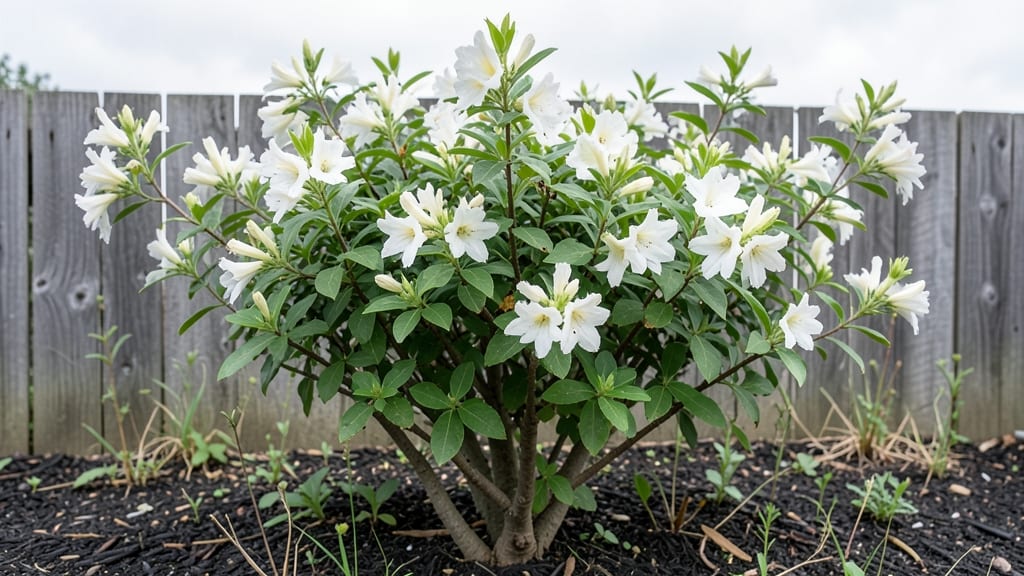
Growing a white flowering weigela 🌸 means turning your garden into a cloud of soft blooms—but only if you master the right pruning tricks.
If your weigela is struggling to produce abundant blooms or maintain a lush shape, the secret likely lies in your pruning technique—not just when you cut, but how you do it. Master these pruning strategies to transform your weigela from a sparse shrub into a vibrant, long-flowering powerhouse.
This shrub thrives in USDA Zone 6a with partial sun, making it a low-maintenance star for spring gardens. Below, I’ll show you exactly when to prune for maximum blooms, how to shape it for bushier growth, and the common mistakes that rob your weigela of its full potential.
Ready to unlock longer blooms and a fuller shape? Let’s get started with the pruning secrets that make all the difference.
When and how to prune white flowering weigela for maximum blooms
Your white flowering weigela produces stunning blooms, but only if you prune it correctly. Unlike spring-flowering shrubs, weigela blooms on new wood, meaning proper pruning encourages longer, more abundant flowers.
The key is timing—prune too early, and you risk cutting off next year’s buds; prune too late, and you miss the chance to shape your shrub for denser growth. Let’s dive into the science behind weigela bloom cycles and how to prune for maximum white flowers.
Weigela typically blooms in late spring to early summer, with some varieties producing a second flush of flowers in late summer. The bloom cycle starts when buds form on the previous year’s growth, but new flowers emerge from current-season stems.
This dual system means you can prune more aggressively than with spring-only bloomers—just at the right time. Early spring pruning (just as buds swell) is ideal for shaping, while late spring pruning (after blooming) encourages bushier growth for next year’s flowers.
Here’s the critical detail: Weigela flowers on new wood, so pruning too late in the season (after July 1st) can reduce next year’s blooms. However, light pruning to remove dead or crossing branches is safe year-round.
The goal is to stimulate basal shoots—those vigorous new stems at the base of the shrub—that produce the most flowers. With the right approach, you can transform a sparse weigela into a bushy, long-blooming beauty.
⚠️ Common pruning mistakes to avoid:
- Pruning in late fall or winter (encourages weak growth).
- Cutting back more than 1/3 of the shrub in a single year.
- Removing too many flower buds before they open.
- Using dull or dirty pruners, which can spread disease.
Now, let’s get practical. The best time to prune white flowering weigela is early spring (just before buds break) or late spring (right after blooming). This timing ensures you’re cutting old wood to shape the shrub while leaving new wood to produce flowers.
For overgrown weigela, you can do a rejuvenation prune in stages over 2-3 years to avoid shocking the plant.
🌿 Pro Tip: Always prune on a dry, sunny day to reduce disease risk. Sterilize your pruners with rubbing alcohol between cuts, especially if your weigela has powdery mildew or other issues. And never prune when the plant is stressed (e.g., during drought or extreme heat).
Let’s break down the pruning timeline for white flowering weigela:
✂️ Early Spring (March-April):
- Remove dead, diseased, or crossing branches.
- Cut back last year’s growth by 1/3 to encourage new stems.
- Shape the shrub to open the center for airflow and light penetration.
🌸 Late Spring (May-June):
- Deadhead spent flowers to encourage a second bloom cycle.
- Lightly prune to maintain shape and remove weak or leggy growth.
- Avoid heavy pruning—this is the flowering season!
🌳 Summer-Fall (July-October):
- Only prune to remove deadwood or shape lightly.
- Avoid heavy cuts—new growth won’t harden off before winter.
🌱 Winter (November-February):
- No pruning unless removing broken branches from storms.
- Let the shrub rest and recover for next year’s blooms.
Here’s a summary table of the optimal pruning windows and techniques for white flowering weigela:
| Season | Pruning Goal | What to Cut | When to Prune |
|---|---|---|---|
| Early Spring | Shape & Rejuvenate | Dead/diseased wood, 1/3 old growth | March-April (before buds swell) |
| Late Spring | Encourage Blooms | Spent flowers, weak growth | May-June (after blooming) |
| Summer | Maintenance Only | Deadwood, minor shaping | July-August (light cuts) |
| Fall-Winter | Rest Period | None (unless storm damage) | November-February |
For overgrown weigela, use a gradual rejuvenation prune. Each year, cut back 1/3 of the oldest stems to the ground. This encourages basal shoots—vigorous new growth from the base—that will produce more flowers and a fuller shape.
For example, if your weigela is 8 feet tall but sparse, prune 3-4 of the oldest stems in Year 1, then repeat with 3-4 more
Step-by-step pruning guide: cutting for shape, health, and continuous flowers
Pruning your white flowering weigela isn’t just about trimming back overgrowth—it’s a strategic way to encourage basal shoots, maintain a compact shape, and extend your white bloom season.
The key lies in understanding when to cut old wood versus new growth and how to stimulate fresh stems where flowers will appear. With the right technique, you’ll transform a leggy shrub into a lush, flowering machine.
Before you grab your pruners, know that weigela blooms on new wood, meaning flowers emerge from the current year’s growth. This changes how—and when—you prune compared to shrubs that flower on old wood.
Start by identifying last year’s stems (often thicker, woodier) versus this year’s slender green shoots. Preserve those new stems—they’re your ticket to more white trumpet-shaped blooms.
Step-by-Step Pruning Process for White Weigela
- Step 1: Prune in Early Spring
Cut back 1/3 of last year’s growth right after last frost (around April in most zones). Focus on taller, leggy stems to encourage a bushier form.
- Step 2: Identify Old vs. New Wood
Old wood = thick, brown stems (cut these back to healthy buds). New wood = green, flexible shoots (keep these to promote blooms).
- Step 3: Encourage Basal Shoots
Cut old wood down to ground level to stimulate new basal shoots at the base. These will produce more flowers next season.
- Step 4: Deadhead Regularly
Remove faded white blooms throughout summer to redirect energy to new flower production. Snip stems just above a leaf node.
- Step 5: Shape in Late Summer
Lightly trim overcrowded branches in August to improve air circulation and prevent disease. Avoid heavy cuts—save major pruning for spring.
- Step 6: Clean Up in Fall
Remove dead or diseased branches after flowering. Sterilize pruners with rubbing alcohol to prevent fungal spread.
When pruning, always use clean, sharp pruners to make smooth cuts at a 45-degree angle just above a leaf bud. This prevents damage and encourages faster healing.
For overgrown weigela, you can perform a rejuvenation prune in early spring by cutting back 1/2 to 2/3 of the plant to the ground. While drastic, this spurs vigorous new growth and restores a youthful shape.
One common mistake is pruning too late in the season, which can stunt next year’s blooms. Avoid cutting after mid-August—this gives your weigela time to harden off before winter. Instead, focus on light shaping and deadheading during summer to keep your shrub looking its best.
After pruning, give your white weigela a light fertilizer (like a 10-10-10 blend) to support new growth. Water deeply at the base to avoid wetting leaves, which can invite powdery mildew.
With consistent care, your pruned weigela will reward you with prolonged white blooms and a denser, more vibrant form.