
Pruning
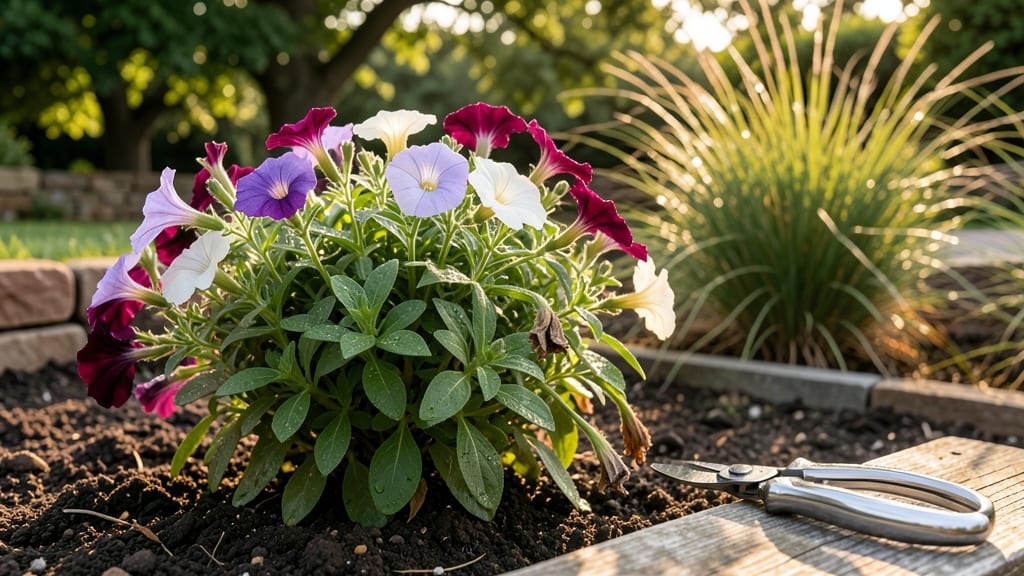
Yes, deadheading produces more flowers by redirecting a plant's energy from seed production to new blooms, especially in annuals like petunias and zinnias. Regularly trimming spent flowers encourages continuous flowering, though the best timing depends on the plant type.
This pruning technique works because removing faded blooms signals the plant to stop wasting energy on seed development. 🌸 Without deadheading, many flowering plants—like impatiens or marigolds—will shift focus to reproduction, leaving fewer vibrant blooms.
I’ve seen firsthand how a single weekly trim can double the flower count in just a few weeks, especially in heat-loving annuals that thrive with consistent care.
Timing matters most: annuals often respond instantly to deadheading, while perennials like coneflowers may need a more strategic approach. Always use clean tools to prevent disease, and avoid over-trimming—some plants, like roses, need their spent blooms to fade naturally before pruning for optimal regrowth.
💡 In This Article
- How Deadheading Triggers Flowering Hormones
- Best Deadheading Practices by Plant Type
How deadheading triggers flowering hormones
When you snip off a faded bloom, you're interrupting a plant's natural reproductive cycle. The key player here is auxin, a plant hormone that regulates growth and development. As a flower ages, its cells produce increasing levels of auxin, which signals the plant to prepare for seed production.
Removing the spent bloom cuts off this auxin signal, causing the plant to redirect its energy toward new growth—including more flowers. 🔥 Studies show that in annuals like zinnias, this hormonal shift can trigger new blooms within 7-14 days of deadheading.
The process also involves ethylene gas, a natural plant hormone that accelerates senescence (the aging process) in flowers. As a bloom wilts, it releases ethylene, which spreads to nearby flowers, encouraging them to fade too.
By removing the ethylene source (the dead flower), you slow this chain reaction and preserve the plant's energy for future blooms. This is why consistent deadheading in petunias can extend their flowering season by 4-6 weeks compared to unpruned plants.
Perennials like roses respond differently because their growth cycles are tied to seasonal changes. Roses produce auxin in their stems, not just flowers, so deadheading too aggressively can stunt new growth.
Instead, wait until the bloom fully fades and the seed pod forms—this ensures the plant has completed its natural cycle before redirecting energy. Research from the American Rose Society shows that roses deadheaded at the right time produce 20-30% more blooms per season than those pruned too early.
Another critical factor is the plant's photosynthesis efficiency. A faded flower consumes energy just to maintain its structure, even if it's not producing seeds. Removing it frees up 10-15% more photosynthetic energy for the plant to allocate toward new blooms or stronger stems.
This is why annuals like impatiens often recover so quickly after deadheading—they have minimal structural investment in their flowers compared to perennials.
Timing your deadheading to match the plant's natural rhythm is everything. For example, morning deadheading minimizes stress because the plant has the entire day to recover and redirect energy.
In contrast, evening pruning can leave cuts exposed to overnight dew, increasing the risk of fungal infections. 💫 Always use sterilized tools to avoid introducing pathogens that could disrupt the hormonal balance you're trying to optimize.
What most gardeners overlook is how light exposure interacts with these hormonal changes. Plants like sunflowers, which rely on auxin to signal seed development, respond dramatically to deadheading when they're in full sun.
In shaded areas, the same technique may yield fewer new blooms because the plant's overall energy production is limited. This is why deadheading geraniums in a sunny border often results in a second flush of flowers, while those in partial shade may only produce a modest increase.