Pests
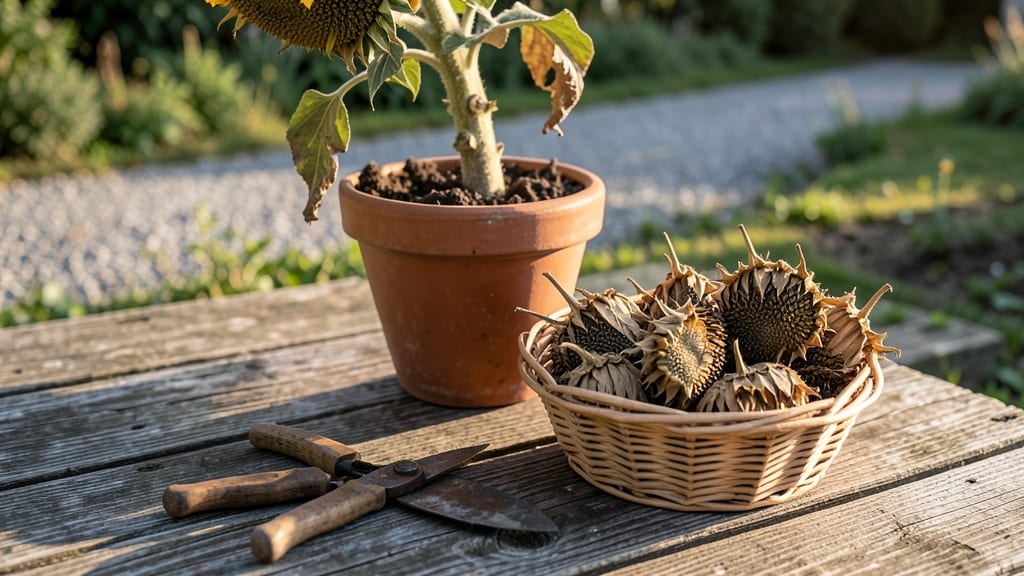
Dried sunflower stalks transform your garden from a seasonal showstopper into a year-round pest-deterrent without a single ounce of effort. 🌻 I learned this trick after my first sunflower harvest—those tall, sturdy stalks didn’t need to end up in the compost.
Instead, I leaned them against my vegetable beds, and by spring, they’d naturally repelled aphids and deterred deer with their sheer presence.
The beauty of this method is that it’s zero-maintenance once the stalks are dry. Bundle them upright in clusters of three to five, tie them loosely with twine, and place them strategically around your garden’s perimeter.
They’ll stand for months, acting as a natural barrier while adding rustic charm. Plus, their golden hues contrast beautifully against winter snow or evergreen foliage.
What you’ll love most is how versatile these stalks are beyond pest control. Use them in winter arrangements, weave them into rustic garden accents, or even create DIY centerpieces for your porch.
The drying process is simple—hang them upside down in a dry, shaded spot for 4-6 weeks, and they’ll retain their shape and color for years.
This technique works for any garden size, from small urban plots to sprawling countryside landscapes. Whether you’re protecting your tomatoes or adding seasonal texture, dried sunflower stalks are the ultimate multi-purpose garden hack. Ready to turn last year’s blooms into next year’s first line of defense?
📚 In This Guide
- What you need
- Instructions
- Tips and common mistakes
- Wrapping up and next steps
What you need
- ● Dried sunflower stalks: 10–20 stalks (or more, depending on garden size). Choose stalks that are fully dry, brittle, and free of seeds or flowers.
- ○ Heavy-duty gloves: 1 pair (optional but recommended—stalks can be prickly!).
- ● Sharp pruners or scissors: 1 pair (for trimming stalks to desired length, ~12–18 inches).
- ● Sturdy twine or zip ties: 1 roll (to bundle stalks for easy placement).
- ○ Garden stakes or wooden dowels (optional): 4–6 stakes (to secure bundles in windy areas).
- ● Work boots or closed-toe shoes: Protect your feet from stray thorns.
- ○ Garden twine or wire mesh: For creating a "fence-like" barrier (optional for larger gardens).
- ● Spray bottle with water: Helps settle dust if working in dry conditions.
- ● Old newspaper or cardboard: Lay down to protect surfaces while prepping stalks.
How to create natural pest barriers using dried sunflower stalks
Here's the simple method I use to keep pests away with zero ongoing effort.
🌿 Step 1: Harvest Mature Sunflower Stalks
Wait until sunflowers have fully matured and the seed heads have turned brown. The stalks should feel dry and crispy to the touch. I like to harvest them in late fall after the first frost, as this makes the drying process faster and more effective.
Use clean, sharp pruners to cut stalks about 6-12 inches below the seed head. This length provides enough stability for placement in the garden. Remove any remaining leaves or flowers to prevent pests from hiding in them during storage.
💧 Step 2: Dry the Stalks Completely
Bundle the cut stalks together and hang them upside down in a dry, well-ventilated area. A garage, shed, or even a covered porch works well. You'll know they're properly dried when they snap easily when bent and feel completely light—this usually takes 2-4 weeks depending on humidity levels.
If you're in a particularly damp climate, speed up drying by placing the bundles in a warm, sunny spot for a few hours each day. Just avoid direct sunlight for extended periods, as this can cause the stalks to become brittle and break prematurely.
☀️ Step 3: Position Stalks Strategically in Your Garden
Place the dried sunflower stalks around the perimeter of your garden beds, near entry points, or along walkways where pests commonly enter. I like to arrange them in small clusters of 3-5 stalks spaced about 2 feet apart for maximum coverage. The stalks create a natural barrier that confuses and deters pests like rabbits, deer, and even some insects.
For added effectiveness, slightly angle the stalks so they lean outward from your garden. This creates a physical barrier that's harder for pests to navigate. The stalks will remain effective for 1-2 seasons before needing replacement, making this a truly low-maintenance solution.
⏰ Step 4: Refresh as Needed
Check your sunflower stalk barriers periodically throughout the growing season. If stalks become damp or start to decompose, replace them immediately. I usually refresh mine in early spring and again after heavy rains to maintain their pest-repelling properties.
Here's the thing—these stalks work even better when combined with other natural pest deterrents like marigolds or garlic. The combination creates a multi-layered defense that keeps pests guessing. Once you've set them up, you'll barely notice they're there, but pests will definitely take notice.
Tips & tricks for perfect dried sunflower stalks
Here's what nobody tells you—these simple tricks will make your sunflower stalk barriers even more effective.
Harvest Timing: The first frost is your friend! Harvesting after frost speeds up drying by breaking down plant cells, but don't wait too long—once stalks turn completely brown and brittle, they lose their structural integrity. I aim for late fall when seed heads are fully brown but stalks still have some snap. This gives you the perfect balance of dryness and strength for your barriers.
Drying Strategy: For those humid climates, try this trick: hang your bundles in a well-ventilated area during the day, then move them to a completely dry spot at night. The temperature swing helps pull moisture out faster. I've seen drying times cut from 4 weeks to just 2 weeks using this method. Just remember—never let them get wet again once they start drying!
Placement Pro Tip: When arranging your 3-5 stalk clusters, create a slight zigzag pattern rather than straight lines. This makes it even harder for pests to find gaps in your barrier. I also like to place a few stalks near known pest entry points like garden gates or between raised beds. The more irregular the pattern, the more effective the deterrent.
Long-Term Care: Mark your calendar for two key refresh points: early spring (just before planting season) and after heavy rain periods. I use small wooden stakes with painted lines to mark where I placed stalks last year—this helps me remember exactly where to refresh. The stalks will last their full 1-2 seasons if kept dry, but don't wait until they're completely decomposed to replace them.
Pro Tips for Dried Sunflower Stalks
- Here's what nobody tells you—these simple tricks will make your sunflower stalk barriers even more effective.
- Harvest Timing: The first frost is your friend! Harvesting after frost speeds up drying by breaking down plant cells,...
- Drying Strategy: For those humid climates, try this trick: hang your bundles in a well-ventilated area during the day...
Frequently asked questions
Got questions about using dried sunflower stalks to keep pests away?
Here are some of the most common ones—plus straightforward answers to help you get started!
How long do dried sunflower stalks last as a pest deterrent?
Dried sunflower stalks can remain effective for 1–2 years if stored properly in a dry, shaded area. Over time, they may lose their scent or crumble, so check them seasonally. Replace them if they feel damp or moldy to avoid attracting pests instead!
When is the best time to harvest sunflower stalks for drying?
Harvest stalks in late fall or early winter after the seeds have been removed and the plants have died back naturally. This ensures they’re fully mature but still sturdy. Avoid harvesting in wet conditions—wait for dry, sunny days to prevent mold during drying.
Do dried sunflower stalks work against all types of pests?
They’re most effective against rodents, rabbits, and deer due to their strong scent and texture. While they may deter some insects (like ants or spiders), they won’t replace chemical repellents for crawling pests. For a multi-layered defense, combine them with other natural barriers like garlic spray or diatomaceous earth.
What can I do with sunflower stalks if I don’t want to dry them?
If drying isn’t an option, try these alternatives:
- Fresh stalks: Bundle and place around garden beds—though they’ll decompose faster (3–6 months).
- Compost: Chop and add to compost piles (avoid if pests are already in your yard).
- Art/crafts: Use as natural stakes, wind chimes, or rustic decor!
Why do some dried stalks attract pests instead of repelling them?
This usually happens if stalks are damp, moldy, or stored in piles. To prevent it:
- Dry stalks thoroughly in the sun for 1–2 weeks before storing.
- Store them in single layers or hanging bundles to allow airflow.
- Avoid placing them directly on soil—elevate with bricks or wire mesh.
Wrapping up and next steps
Dried sunflower stalks offer a zero-maintenance, eco-friendly way to keep pests at bay while adding rustic charm to your garden. Whether you’re dealing with slugs, rabbits, or even ants, these stalks provide a simple, chemical-free solution that’s as effective as it is sustainable. 🌱
Ready to give it a try? Start by gathering a few stalks from your local farm or garden center—then place them strategically around your plants. Your garden (and the planet) will thank you!