Shrubs
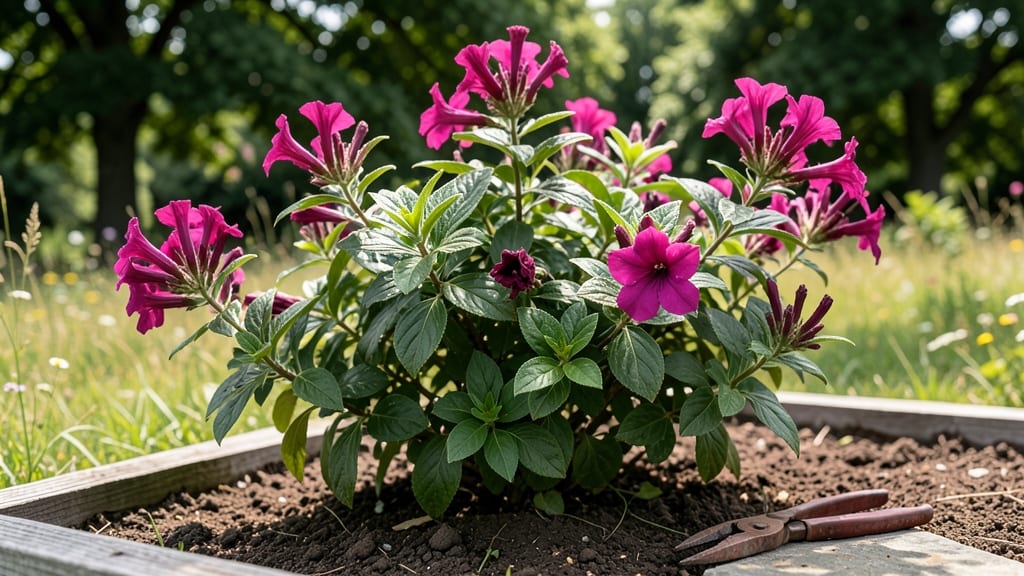
The secret to effortless beauty in flowering shrubs like weigela lies in their vibrant blooms and near-zero pruning demands—after five seasons of growing them, I’ve learned why they’re the ultimate fuss-free yard centerpieces. 🌸 the right spot, soil, and a little strategic cutting (not the heavy-duty kind).
Weigela thrives in full sun to partial shade, tolerates average garden soil, and handles drought once established—making it perfect for busy gardeners. Varieties like ‘Wine and Roses’ and ‘Alexandra’ deliver pink, red, or purple blooms from late spring through summer, with some reblooming into fall.
The key? Plant them where they’ll get at least 6 hours of sunlight and avoid soggy soil.
With minimal pruning, you’ll end up with showstopping cascades of flowers that attract hummingbirds and butterflies. Deadhead spent blooms in early summer to encourage more flowers, and give the branches a light trim in late winter to shape the shrub.
The result? A low-maintenance shrub that keeps your landscape lively without the upkeep.
Works beautifully as a privacy screen, foundation plant, or mixed-border focal point. Here’s how to get started—no green thumb required.
📚 In This Guide
- What you need
- Instructions
- Tips and common mistakes
- Wrapping up and next steps
What you need
- ● Weigela shrubs: 1-3 plants (depending on desired coverage; varieties like Weigela florida or Weigela ‘Wine & Roses’ are popular).
- ● High-quality potting soil or garden soil: 5-10 gallons (amend with compost for better drainage).
- ● Organic mulch: 2-3 inches (shredded bark or pine straw to retain moisture).
- ● Slow-release fertilizer: 10-20-10 NPK ratio (1-2 lbs per plant).
- ● Pruning shears: Bypass pruners (sharp, clean, and sterilized).
- ● Garden trowel or spade: For digging holes (12-18 inches wide/deep).
- ● Watering can or hose with nozzle: For gentle, deep watering (1-2 gallons per plant).
- ● Gloves: Heavy-duty garden gloves (to protect hands from thorns).
- ● Measuring tape or ruler: To ensure proper spacing (3-6 feet apart).
- ○ Optional: Plant stakes (for support if needed).
- ● Fungicide (preventative spray for powdery mildew).
- ● Pruning sealant (for large cuts).
- ● Sunlight: Full sun (6+ hours/day) or partial shade (4-6 hours).
- ● Climate: Hardy in USDA Zones 4-8 (check local frost dates).
- ● Soil pH: Slightly acidic to neutral (6.0-7.0).
- ● Spacing: 3-6 feet apart (depends on mature size).
Step-by-Step guide to planting and maintaining weigela shrubs
Here's how to establish vibrant weigela that rewards you with bold blooms while keeping upkeep simple.
🌱 Step 1: Choose the Perfect Planting Location
Weigela thrives in full sun to partial shade, with at least 4-6 hours of direct sunlight daily. I always select a spot with morning sun and afternoon shade—this prevents leaf scorch while ensuring robust flowering. The plant's natural growth habit creates a rounded shape, so space it 6-8 feet apart for mature size, allowing air circulation that prevents fungal diseases.
Test the soil pH before planting—weigela prefers 6.0-7.0. If your soil is too acidic, mix in 1-2 inches of garden lime and till it in 2 weeks before planting. The root system establishes best in well-draining soil, so avoid low-lying areas where water pools after rain.
🪴 Step 2: Prepare the Planting Hole and Transplant
Dig a hole twice as wide as the weigela's root ball but only as deep as the container's base. This encourages outward root growth rather than settling too deeply. Gently remove the plant from its container and loosen any circling roots with your fingers—this prevents girdling as the plant matures.
Place the weigela in the hole so the top of the root ball sits 1 inch above ground level. Backfill with the native soil, tamping gently in 2-inch layers to eliminate air pockets. Water deeply to settle the soil and create good root-to-soil contact. A 5-gallon bucket of water poured slowly at the base ensures thorough hydration without runoff.
☀️ Step 3: Water and Mulch for Establishment
Keep the soil consistently moist for the first 4-6 weeks—you'll know it's right when the top 2 inches of soil feel damp but not soggy. Water at the base rather than overhead to protect blooms and prevent fungal spores from splashing onto leaves. I set a reminder for every other day during hot spells, adjusting for rain.
Apply a 3-inch layer of organic mulch around the base, keeping it 6 inches away from the trunk. This conserves moisture, regulates soil temperature, and suppresses weeds. Use shredded bark or pine straw—both break down slowly and improve soil structure over time. Refresh the mulch annually in early spring.
✂️ Step 4: Prune Strategically for Year-Round Blooms
Weigela flowers on both old and new wood, so timing matters. After the first flush of blooms in spring, remove 1/3 of the oldest stems at ground level to encourage vigorous new growth. This rejuvenation pruning also opens the center for better air flow. I use clean, sharp pruners to make cuts at a 45-degree angle, just above a bud or lateral branch.
Lightly shape the shrub in late summer after flowering to maintain its natural form. Remove any crossing branches or stems growing inward. Avoid heavy pruning in fall—this stimulates tender growth that won't harden off before winter. A well-pruned weigela will reward you with continuous blooms from late spring through summer.
🌿 Step 5: Fertilize and Monitor for Pests
Apply a balanced 10-10-10 fertilizer in early spring as new growth emerges. Work it into the soil around the drip line, keeping it 6 inches away from the trunk. Weigela responds well to organic options like composted manure or worm castings—these improve soil structure while feeding roots gradually. Water thoroughly after applying to prevent root burn.
Watch for aphids or spider mites, which occasionally target weigela's tender new growth. I treat infestations with a strong spray of water first, then apply neem oil if needed. Healthy plants rarely suffer severe damage, but early intervention prevents cosmetic issues from becoming systemic problems.
Tips & tricks for perfect weigela flowering shrubs
These practical insights will help you cultivate weigela shrubs that burst with color while minimizing effort—because the secret to stunning blooms lies in the details.
Soil Preparation Secret: Before amending your soil with lime, conduct a proper pH test using a reliable kit. I've learned the hard way that guessing can lead to over-correcting—aim for that 6.0-7.0 range precisely. For clay-heavy soils, mix in 2-3 inches of compost along with the lime to improve drainage while buffering pH. This dual approach gives your weigela's roots both the right chemistry and structure to thrive from day one.
Root Ball Handling Technique: When removing weigela from its container, I always run my finger around the inner edge to gently separate the root ball from the pot. This prevents root damage that can occur when pulling directly. For container-grown plants, soak the root ball in water for 10-15 minutes before planting—this helps rehydrate roots that may have dried out during transit or storage.
Pruning Timing Strategy: The 1/3 rejuvenation pruning in Step 4 should target stems that are at least 1/4-inch thick. Thin out the oldest, thickest stems first—they've already served their purpose and removing them encourages the plant to put energy into younger, more productive growth. I mark these stems with a ribbon before pruning to avoid confusion, especially when working with multiple weigela shrubs.
Watering Consistency Hack: During the critical 4-6 week establishment period, I use a simple moisture meter inserted 2 inches deep to verify soil dampness. This eliminates guesswork—when the meter reads "damp" (not wet), that's your cue to water again. For container-grown weigela, check moisture daily during hot weather as they dry out faster than in-ground plants. The goal is to maintain that perfect balance between hydration and aeration.
Pro Tips for Flowering Shrubs Weigela
- These practical insights will help you cultivate weigela shrubs that burst with color while minimizing effort—because...
- Soil Preparation Secret: Before amending your soil with lime, conduct a proper pH test using a reliable kit. I've lea...
- Root Ball Handling Technique: When removing weigela from its container, I always run my finger around the inner edge ...
Frequently asked questions
Got questions about keeping your Weigela shrubs vibrant and thriving? Here are some of the most common ones—plus quick, practical answers to help you grow with confidence!
When is the best time to plant Weigela shrubs?
Plant Weigela in early spring or fall when temperatures are mild (50–70°F). Avoid extreme heat or frost, as these can stress young roots. Spring planting gives shrubs time to establish before summer, while fall planting allows root growth before winter dormancy. Pro tip: Water deeply after planting to settle soil around roots!
How and when should I prune my Weigela?
Prune right after flowering (late spring to early summer) to encourage new blooms. Remove dead, crossing, or weak branches first, then trim back overgrown stems by ⅓ to maintain shape. Avoid heavy pruning in fall/winter—it can reduce next year’s flowers. Pro tip: Use clean, sharp shears to prevent disease!
What pests or diseases should I watch for in Weigela?
Common issues include aphids, spider mites, and powdery mildew. Treat pests with insecticidal soap or neem oil. For mildew, improve airflow and avoid overhead watering. Preventative tip: Space plants 3–5 feet apart for better circulation and less humidity buildup.
Can Weigela survive cold winters? What’s the hardiness range?
Most Weigela varieties thrive in USDA Zones 4–8, handling temps down to -30°F. For colder climates (Zone 3), choose ‘Wine & Roses’ or ‘Midnight Wine’, which are more cold-tolerant. Mulch around the base in late fall to protect roots from freeze-thaw cycles.
Are there dwarf Weigela varieties for small gardens?
Yes! If space is limited, try ‘Nana Variegata’ (2–3 ft tall) or ‘Mini-Bella’ (3–4 ft tall). These compact varieties offer the same stunning blooms but fit tight spots. Pair them with hostas or ferns for a layered, low-maintenance border.
Why isn’t my Weigela flowering this year?
Lack of blooms often stems from over-pruning in late winter (when buds form) or poor sunlight. Ensure it gets 6+ hours of sun daily and prune after flowering. Fertilize lightly in spring with balanced 10-10-10 if soil is nutrient-poor.
Wrapping up and next steps
Transforming your garden into a vibrant haven with Weigela flowering shrubs is easier—and more rewarding—than you think! 🌸 These hardy, low-maintenance beauties deliver stunning blooms and lush foliage with just a little care, making them the perfect choice for busy gardeners.
Whether you're a beginner or a seasoned pro, Weigela’s resilience and year-round interest prove that big impact doesn’t require big effort.
Ready to bring color to your outdoor space? Start small—plant one Weigela shrub this season and watch your garden thrive! For even more inspiration, explore companion plants or creative landscaping ideas to elevate your design. Your future self (and your neighbors!) will thank you. 🌿✨