
Lawn
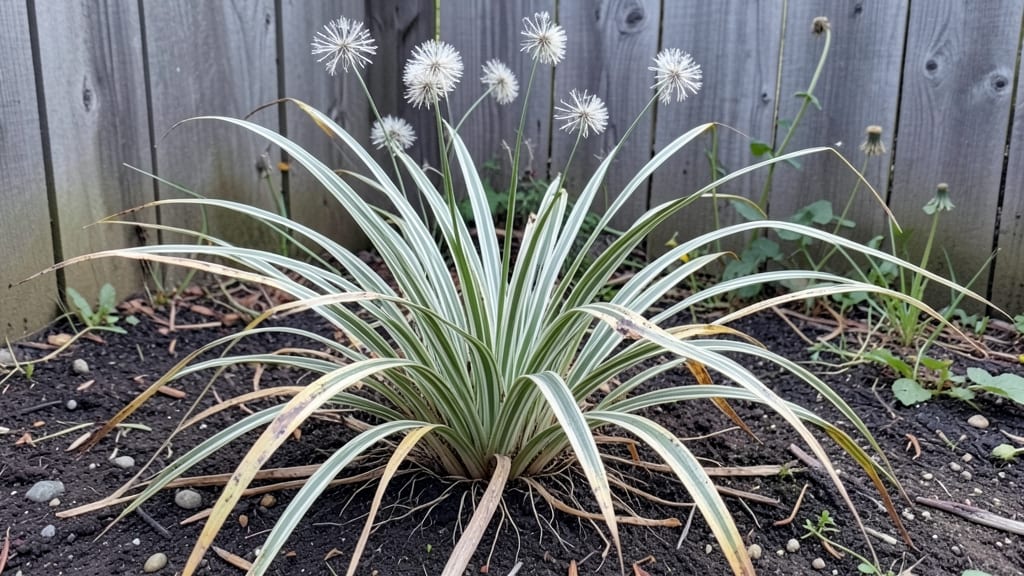
White flowering grasses like Miscanthus sinensis 'Zebrinus' don’t just survive—they steal the show with their airy plumes and silvery-blue foliage that sparkle in the breeze. 🌿 I planted mine along a shady border last spring, and by summer, it looked like a dreamy, low-maintenance watercolor painting without any effort.
The best part? These grasses thrive where most plants struggle—dry soil, poor drainage, even full sun—while still looking effortlessly chic.
Pair them with deep purple perennials like coneflowers or black-eyed Susans for a striking contrast, or let them sway alone near a pond or patio where their movement adds rhythm to the space. They handle winter beautifully too, standing tall with frost-kissed seed heads that catch the light.
My neighbors kept asking what "magic" I’d used—turns out, it was just choosing the right plants for the job.
You’ll spend almost no time on maintenance: a quick trim in early spring and an occasional watering for the first season. The texture alone transforms a dull corner into a focal point, and they bloom from late summer through fall without fuss.
Even in small containers, these grasses bring drama—imagine one in a terracotta pot on your deck, swaying like a miniature prairie.
Perfect for modern landscapes, cottage gardens, or even urban courtyards where space is tight. Here’s how to pick the right variety for your light and soil, plus design ideas that make them the star of your outdoor space.
Why Grass Turns White Blooms
If your white flowering grass (like ornamental grasses or native species such as Miscanthus or Pennisetum) is producing unexpected white blooms instead of its usual lush green or golden hues, don’t panic—it’s usually a natural (and beautiful!) part of its life cycle.
However, environmental factors or stress can sometimes trigger premature or excessive flowering. Here’s why it happens, broken down by the most common causes:
Most ornamental grasses follow a seasonal rhythm where they produce white, feathery, or fluffy blooms as part of their reproductive process. This is completely normal and often enhances their ornamental value. Here’s the science:
- Photoperiodism: Many grasses respond to daylight changes. As summer wanes and days shorten, they receive a hormonal signal (triggered by phytochrome proteins) to shift from vegetative growth to flowering. Miscanthus sinensis, for example, typically blooms in late summer or fall.
- Temperature cues: Cooler nights (below 60°F/15°C) can accelerate flowering in species like Pennisetum alopecuroides. Some grasses even require a period of chilling to "wake up" their floral meristems (the cells that will become flowers).
- Age and maturity: Younger grasses may delay flowering until they’ve stored enough energy (via photosynthesis) in their rhizomes or crowns. Older plants often bloom more prolifically due to increased carbohydrate reserves.
Actionable tip: If you’re growing grasses for their foliage (not seed), you can prune spent blooms before they set seed, encouraging denser, greener regrowth next season.
When grasses experience stress—whether from heat, drought, or poor soil—they may prematurely shift into flowering mode as a survival strategy. This is their way of reproducing quickly before conditions worsen. Common stressors include:
| Stressor | How It Triggers Blooms | Fix It |
|---|---|---|
| Drought | Water scarcity causes the plant to prioritize seed production over leaf growth. Ethylene gas (a stress hormone) accumulates, signaling flowering. | Deep water once weekly during dry spells (1–1.5 inches per week). Mulch with 2–3 inches of shredded bark to retain moisture. |
| Excessive Heat | Temperatures above 90°F (32°C) can "burn" grass cells, mimicking drought stress. Some species (like Stipa tenuissima) may bolt (rapidly flower) to escape heat damage. | Provide afternoon shade with a 30–50% shade cloth. Avoid fertilizing during heatwaves—nitrogen promotes leafy growth, not roots. |
| Poor Soil Nutrition | Low phosphorus (_P_) or potassium (_K_) levels force grasses to allocate energy to flowering instead of root development. A deficiency in micronutrients like boron or zinc can also trigger it. | Test soil and amend with a balanced fertilizer (10-10-10) in early spring. For native grasses, a light top-dressing of compost suffices. |
| Overcrowding | Competition for light and nutrients can stress grasses, prompting them to flower early to reproduce before outcompeted. | Thin out clumps in early spring, spacing plants 18–36 inches apart (depending on the species). |
Pro tip: 💡 If your grass is flowering too early (e.g., in spring), it may be a sign of over-fertilization with nitrogen. Switch to a low-nitrogen, high-potassium fertilizer to encourage root growth over blooms.
Sometimes, external factors—like light exposure or even human activity—can disrupt a grass’s natural timeline. Here’s how:
- Sudden Light Changes:
Moving a potted ornamental grass from shade to full sun (or vice versa) can confuse its internal clock. Grasses like Carex oshimensis may respond by flowering erratically to adapt to the new light conditions.
- Physical Damage:
Trimming too aggressively (especially in late summer) or mowing ornamental grasses (which are not meant to be mowed) can trigger stress responses, including premature flowering. Cutting into the crown (the base where leaves and roots meet) sends shockwaves that may accelerate blooming.
- Pest or Disease Pressure:
Grass mites, aphids, or fungal infections (like Rhizoctonia) can weaken plants, causing them to flower as a last-ditch effort to reproduce before dying. Look for yellowing leaves, stunted growth, or webbing as red flags.
- Improper Pruning Timing:
Cutting back grasses after they’ve flowered (but before seed heads turn brown) removes their energy reserves. This can stress the plant into flowering again the following year.
Actionable fix: ⏰ Prune ornamental grasses in late winter or early spring (before new growth emerges) to avoid disrupting their cycle. Use clean, sharp shears and cut 3–6 inches above the ground to leave room for regrowth.
Remember: White blooms aren’t always a problem—they’re often a sign of a healthy, thriving grass! However, if flowering is unexpected or excessive, address the root cause (literally) to keep your landscape looking lush and intentional.
Fix Overgrowth & Pests Naturally
White flowering grasses like Miscanthus sinensis or Pennisetum varieties are stunning, but overgrowth, pests, or fungal issues can dull their beauty. The good news? Most problems have simple, eco-friendly fixes. Below, we’ll tackle the most common issues with step-by-step solutions—plus prevention tips to keep your ornamental grass thriving for years.
If your white flowering grass is sprawling wildly or blocking walkways, it’s time to trim—but not just any way. Over-pruning can stress the plant, while under-pruning lets it become unruly.
🔪 How to Trim Properly
- Wait for the Right Time 🌿
- Trim in early spring (before new growth) or late fall (after foliage dies back).
- Avoid cutting in winter—dried stems add winter interest!
- Use the Right Tools ✂️
- Sharp hedge shears or pruning scissors for clean cuts.
- For taller varieties (like Miscanthus), long-handled loppers work best.
- Cut Strategically 🎯
- Never remove more than ⅓ of the plant in one go.
- Cut 2–3 inches above the ground for most grasses (some, like Pennisetum, can be cut closer).
- Leave a few inches of old stems if you want winter texture.
💡 Prevention Tips
- Space plants properly (check spacing guidelines for your variety).
- Mulch around the base to suppress weeds that compete for nutrients.
- Divide clumps every 3–5 years to prevent overcrowding.
While white flowering grasses are generally pest-resistant, aphids, spider mites, or grubs can still show up—especially in dry or crowded conditions.
👨🍳 How to Treat Pests
| Pest | Signs | Fix |
|---|---|---|
| Aphids | Sticky residue, curled leaves | Spray with soapy water (1 tbsp mild soap + 1 quart water) or introduce ladybugs. |
| Spider Mites | Tiny webs, yellowing leaves | Blast off with water (forceful spray) or use neem oil spray. |
| Grubs | Brown patches, weak grass | Apply beneficial nematodes or milky spore to the soil. |
🔥 Prevention Tips
- Water deeply but infrequently (pests love dry, stressed plants).
- Encourage natural predators (birds, lacewings) by planting nearby flowers.
- Inspect new plants before bringing them home—quarantine if needed.
Humid climates or poor airflow can lead to fungal spots, turning leaves yellow or brown. Fortunately, most grasses bounce back with minimal intervention.
🌡️ How to Treat Fungus
- Improve Airflow 💨
- Thin out nearby plants or prune back overgrowth to let air circulate.
- Avoid overhead watering—water at the base instead.
- Apply Fungicide (If Needed) 🛡️
- Baking soda spray (1 tsp baking soda + 1 quart water + a drop of soap) works for mild cases.
- For severe infections, use a copper-based fungicide (follow label instructions).
- Remove Infected Debris 🧹
- Cut out and dispose of heavily damaged leaves to prevent spread.
✨ Prevention Tips
- Space plants 18–36 inches apart (depending on variety).
- Water in the morning so foliage dries quickly.
- Avoid nitrogen-heavy fertilizers—they promote soft, fungus-loving growth.
With these simple fixes, your white flowering grass will stay lush, pest-free, and picture-perfect. The key? Act early—most issues are easier to manage before they spread. Happy gardening! 🌿✂️
Frequently asked questions
Which white flowering grasses work best in containers?
Pennisetum alopecuroides 'Hameln' and Miscanthus sinensis 'Zebrinus' thrive in pots, especially in 5-gallon containers with well-draining soil. Choose varieties under 3 feet tall for smaller spaces, and water when the top 1–2 inches of soil feel dry. Drainage holes are a must—these grasses hate soggy roots!
Do white flowering grasses attract bees or butterflies?
While they’re not heavy nectar producers, their delicate plumes provide shelter and perching spots for pollinators. Pair them with coneflowers or black-eyed Susans to create a pollinator-friendly haven. The seed heads also offer winter food for birds like goldfinches.
How do I prevent my white flowering grass from flopping in summer?
Stake taller varieties (like Miscanthus) with bamboo stakes or decorative metal rods before planting. For windy spots, choose Pennisetum 'White Wonder'—its upright growth stays sturdy. Mulch with 2–3 inches of gravel to weigh down the base and improve stability.
Can I grow white flowering grasses in shade?
Some varieties tolerate partial shade, like Carex oshimensis 'EverGold' or Hakonechloa macra 'Aureola'. These thrive in morning sun with afternoon shade and won’t scorch. Avoid deep shade—most ornamental grasses need at least 4–6 hours of sunlight daily for vibrant blooms.
Why did my grass turn brown after flowering?
This is normal! After blooming, grasses redirect energy to roots, causing foliage to yellow and die back. Cut back dead stems in late winter (before new growth) to encourage fresh shoots. If browning happens mid-season, check for underwatering or over-fertilization—both stress the plant.