
Shrubs
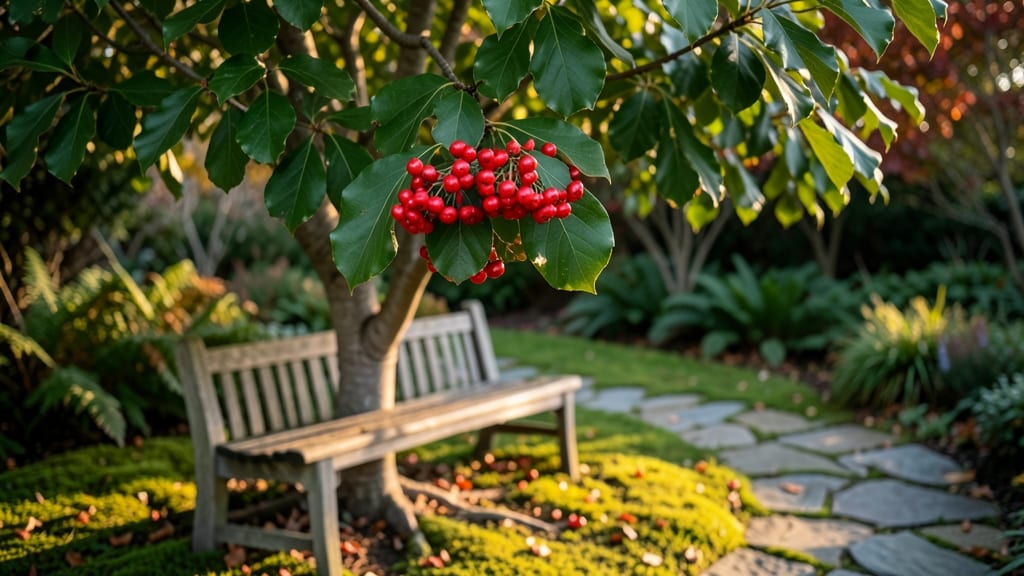
Flowering dogwood symbolism carries deep cultural meaning, representing purity, hope, and resilience in many traditions, while its unique blooms often signify divine love and protection in Eastern and Native American folklore.
The flowering dogwood's symbolic power stems from its striking four-petaled blooms, which many cultures interpret as a divine cross or sacred geometry. 🌿 In Christian traditions, its white flowers became tied to the Passion of Christ, while Native American tribes revered it as a symbol of peace and healing.
What's fascinating is how these meanings adapt—East Asian cultures associate dogwood with longevity and prosperity, showing how nature's symbols evolve across civilizations.
This isn't just historical trivia; it explains why dogwoods appear in weddings, memorials, and even corporate logos. The tree's ability to thrive in challenging conditions mirrors human resilience, making it a powerful metaphor in both personal and communal contexts.
💡 In This Article
- Historical and Cultural Roots of Dogwood Symbolism
- How to Incorporate Dogwood Symbolism in Gardens
Historical and cultural roots of dogwood symbolism
The flowering dogwood's sacred status in Christianity stems from its botanical connection to the Passionflower (Passiflora incarnata), which shares similar four-petaled structures. 🌺 During the Middle Ages, theologians interpreted these petals as representing Christ's wounds (four nails) and the five stamens as the five wounds of the crucifixion.
This "divine geometry" made dogwood a common motif in religious art and church architecture, particularly during Lent and Easter when its white blooms symbolized purity and sacrifice.
Native American tribes, particularly the Cherokee and Iroquois, viewed dogwood differently—its bark was used medicinally to treat fevers, while its wood crafted tools and canoes. 🌳 The tree's ability to regrow from stumps after being cut symbolized resilience, earning it names like "grandmother tree."
In Cherokee lore, dogwood was a messenger between humans and spirits, its blossoms considered sacred offerings during harvest ceremonies. The tree's four-petaled flowers also mirrored the four cardinal directions, reinforcing its role as a bridge between earthly and spiritual realms.
East Asian traditions offer another layer to dogwood symbolism.
In Chinese culture, its name (shùyángshù) translates to "tree of longevity," linked to its slow growth and long lifespan (some specimens live over 200 years). 🌿 During the Ming Dynasty, dogwood branches were placed above doorways to ward off evil spirits and attract prosperity—a practice still observed in rural villages.
Japanese aesthetics admired its delicate yet sturdy nature, often depicting it in ukiyo-e prints as a metaphor for enduring grace under pressure, much like bamboo or cherry blossoms.
What's fascinating is how these meanings weren't static—they evolved through trade and colonization.
When European settlers introduced dogwood to Asia, its Christian symbolism blended with existing longevity beliefs, creating hybrid meanings. 🌍 For example, Korean shamanists now use dogwood branches in purification rites, combining both the tree's native healing properties and its imported spiritual associations.
This cultural osmosis shows how nature's symbols become living metaphors, adapting to each civilization's needs while retaining their core essence.
The dogwood's bark also holds hidden symbolic value. In Appalachian folk medicine, a decoction made from its inner bark was used to treat malaria—a practice documented in 19th-century herbalists' journals. 🌿 This practical use reinforced its spiritual significance, as healing and divinity were often intertwined in indigenous worldviews.
Today, you'll find dogwood bark in modern herbalism, proving how ancient symbolism can bridge centuries between past and present.
The tree's seasonal cycle adds another dimension.
Its late spring blooms (typically appearing in May) marked planting seasons for Native American tribes, while its persistent red berries in autumn became symbols of abundance. 🍎 This cyclical nature—death and rebirth through seasons—mirrors human experiences, making dogwood a universal emblem of hope across cultures.
Whether as a Christian crucifixion symbol, a Native American healing plant, or an East Asian longevity charm, its meanings reveal how humanity projects its deepest values onto nature's quiet witnesses.