Shrubs
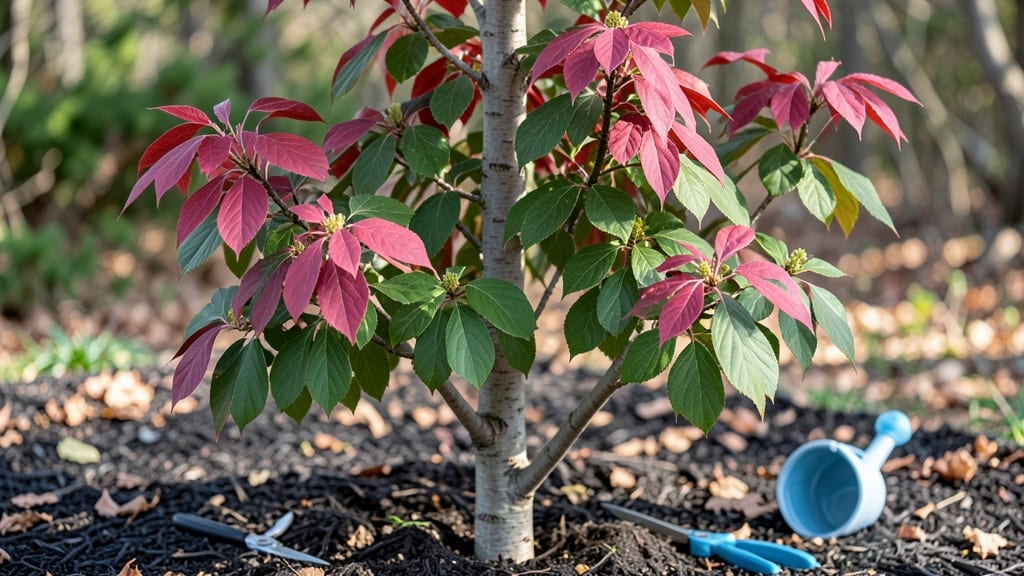
The rubra flowering dogwood transforms your yard into a springtime spectacle with its stunning red blooms that appear before the leaves even unfurl. I’ve grown mine for years, and the secret to keeping it thriving—especially through those late-summer wilts—lies in the right spot, soil, and a little strategic pruning.
It’s not just about the flowers, though; those fiery fall colors and persistent berries keep it showstopping all season long.
This dogwood loves bright but dappled sunlight—think morning sun with afternoon shade in hotter climates—and rich, well-draining soil that mimics its native woodland edges. Watering is simple once established: deep soaks once a week, but never soggy roots.
The real magic happens when you prune to encourage strong branches and remove dead wood, which keeps those iconic blooms coming back bigger every spring. Even in winter, its exfoliating bark adds texture to the landscape.
By following these care steps, you’ll end up with a tree that’s not just ornamental but resilient—handling drought better than many shrubs and bouncing back from pests with minimal fuss.
The payoff? A yard that feels like a curated garden, not just a collection of plants. Ready to make yours the talk of the neighborhood?
Works beautifully in mixed borders, as a standalone specimen, or even in containers for smaller spaces. The key is patience—dogwoods mature slowly but reward you with decades of drama-free beauty. Let’s get yours growing strong!
📚 In This Guide
- What you need
- Instructions
- Tips and common mistakes
- Wrapping up and next steps
What you need
- ● Rubra flowering dogwood plants: 1–3 bare-root or container-grown saplings (3–5 ft tall, 2–3 ft wide at maturity). Opt for healthy, disease-free specimens from a trusted nursery.
- ● Well-draining soil: Mix equal parts of native soil, compost (aged), and perlite or sand for ideal aeration. Aim for a pH of 4.5–6.0 (slightly acidic).
- ● Organic mulch: 2–3 inches of wood chips, pine straw, or shredded bark to retain moisture and suppress weeds.
- ● Fertilizer: At planting: 1 lb of balanced 10-10-10 fertilizer per plant.
- ● Annual feeding: Slow-release 10-6-4 fertilizer (1 lb per plant) in early spring.
- ● Hand trowel or spade for digging holes (1.5x wider and deep than the root ball).
- ● Garden fork to loosen compacted soil.
- ● Pruning shears (sterilized with 70% isopropyl alcohol) for shaping and deadheading.
- ● Watering can or hose with a gentle nozzle (avoid overhead spraying to prevent fungal diseases).
- ○ Garden gloves (optional but recommended for thorny stems!).
- ● Sunlight: Partial shade (4–6 hours of direct sun daily). Avoid full sun in hot climates (can scorch leaves).
- ● Water: 1–1.5 inches per week (deep watering 2–3x/week for new plants). Drought-tolerant once established but blooms best with consistent moisture.
- ● Hardiness zones: 5–9. Protect young plants from late frosts (wait until after last frost to transplant).
- ● Spacing: 15–20 feet apart for mature shrubs (allows airflow and prevents disease).
- ● Epsom salt (magnesium sulfate): 1 tbsp per gallon of water monthly to boost red foliage intensity.
- ● Fungal spray (e.g., neem oil or copper fungicide): For prevention of powdery mildew or anthracnose.
- ● Staking: Temporary support for young plants in windy areas (use biodegradable stakes).
- ● Soil test kit: To verify pH and nutrient levels before planting.
Instructions for planting and pruning Rubra flowering dogwood
This is the method I’ve used to keep my dogwoods thriving for over a decade—blooms arrive early and last well into fall.
Choose the Right Planting Site
Rubra flowering dogwoods thrive in partial shade, with 4-6 hours of morning sun and afternoon shade to prevent leaf scorch. I always plant mine where they’ll receive dappled sunlight through taller trees or near a north-facing wall. The soil should drain well but retain moisture—dogwoods hate soggy roots but need consistent dampness during their first year.
Dig a hole twice as wide as the root ball but no deeper. Loosen the roots slightly if they’re circling, then place the plant so the top of the root ball sits 1 inch above ground level. This prevents water from pooling around the stem, which can cause rot. Backfill with the native soil you removed, tamping gently as you go to eliminate air pockets.
Water Deeply and Mulch Correctly
After planting, water deeply—about 1-2 gallons—to settle the soil around the roots. You’ll know it’s enough when water drains through the bottom of the hole. Mulch the base with 2-3 inches of organic mulch, keeping it 6 inches away from the trunk to prevent rot. I use shredded bark or wood chips because they break down slowly and improve soil structure over time.
Water twice weekly for the first month, then taper to once weekly once the plant establishes. Dogwoods are drought-tolerant once mature, but young trees need consistent moisture. You’ll see new growth within 4-6 weeks if the soil stays evenly damp but not waterlogged.
Prune for Shape and Health in Late Winter
Prune 2-3 weeks before buds swell in late winter or early spring. Remove dead, diseased, or crossing branches first—they’re easy to spot as they lack bark or have blackened tips. Next, thin out 10-20% of the canopy to improve airflow, focusing on branches growing inward or rubbing against others. This keeps the tree open and reduces disease risk.
Never prune more than 25% of the canopy at once—dogwoods are sensitive to heavy pruning. If you’re shaping the tree, make cuts just above a outward-facing bud. Use clean, sharp pruners to avoid tearing the bark, and seal larger wounds with pruning sealant if they’re over ½ inch in diameter. This prevents sap loss and infection.
Fertilize and Monitor for Pests
Apply a balanced, slow-release fertilizer in early spring, following package rates. Dogwoods don’t need much—too much nitrogen leads to leafy growth at the expense of blooms. I scatter the granules 6 inches from the trunk and water them in thoroughly. Avoid fertilizing in late summer or fall, as new growth won’t harden off before winter.
Watch for dogwood borers or powdery mildew—common issues in humid climates. If you see small holes in stems or white powder on leaves, treat promptly with neem oil or fungicide. Healthy dogwoods rarely have pest problems, so focus on proper watering, mulching, and pruning to keep them strong.
Enjoy Year-Round Interest
Rubra dogwoods offer spring blooms, summer foliage, and fall color, plus exfoliating bark in winter. Once established, they need minimal care—just annual pruning to maintain shape and occasional deep watering during droughts. I love how they brighten shady spots with their deep red flowers and burgundy leaves in fall.
If your dogwood isn’t blooming well, check for over-fertilization or too much shade. Move it to a sunnier spot if needed, but avoid full sun—it’ll stress the plant. With the right care, your Rubra will reward you with stunning displays for decades.
Tips & tricks for perfect Rubra flowering dogwood care
Here’s what I’ve learned after years of growing Rubra flowering dogwoods—these small details make all the difference for healthy, vibrant trees.
Site Selection is Everything: In Step 1, when choosing your planting location, pay special attention to the morning sun. The 4-6 hours of sunlight should be gentle and indirect—think of it like morning coffee rather than a noon sunbath. If you’re unsure about your site, observe how sunlight moves through the area during spring and summer before planting. A north-facing wall or tall trees that filter sunlight work beautifully.
Watering Wisdom: The 1-2 gallons of deep watering in Step 2 is crucial, but timing matters just as much. Water in the early morning so the soil has all day to absorb moisture before evening evaporation. Over the first month, check the soil moisture by sticking your finger 2 inches into the ground—if it feels dry, water again. Dogwoods are surprisingly forgiving, but soggy roots will quickly lead to root rot.
Pruning Precision: When you’re pruning in Step 3, focus on making clean cuts just above outward-facing buds. I can’t stress enough how important this is—those buds will grow into new branches that continue the tree’s natural shape. Also, resist the urge to prune more than 25% of the canopy at once; dogwoods are sensitive plants, and heavy pruning can shock them into producing fewer blooms the following spring.
Mulch Like a Pro: The 2-3 inches of organic mulch in Step 2 should always stay 6 inches away from the trunk. This might seem like a small detail, but it prevents moisture from pooling against the bark, which can cause rot. I’ve seen many gardeners make this mistake and end up with bark damage that takes years to recover from. Use shredded bark or wood chips—they break down slowly and improve soil structure over time.
Pro Tips for Rubra Flowering Dogwood
- Here’s what I’ve learned after years of growing Rubra flowering dogwoods—these small details make all the difference for healthy, vibrant trees.
- Site Selection is Everything: In Step 1, when choosing your planting location, pay special attention to the morning sun.
- Watering Wisdom: The 1-2 gallons of deep watering in Step 2 is crucial, but timing matters just as much.
Frequently asked questions
Got questions about growing and caring for Rubra flowering dogwood? Here are some of the most common ones—and their answers—to help you cultivate a stunning, long-blooming shrub with ease.
When is the best time to plant Rubra flowering dogwood?
The ideal planting window is early spring or fall (4-6 weeks before the first frost). This gives roots time to establish before extreme temperatures. Avoid planting in summer heat or winter frost, as stress can weaken young trees. If you must plant in summer, water deeply daily for the first 2-3 weeks to support root growth.
How often does Rubra flowering dogwood bloom, and why aren’t mine flowering?
Rubra flowering dogwoods bloom once per year, typically in late spring to early summer (May-June). If yours isn’t flowering, check these common issues:
- Age: Young trees (under 3-5 years) may not bloom yet.
- Light: Needs full sun to partial shade (6+ hours of sunlight). Too much shade delays blooms.
- Pruning: Over-pruning or cutting back old wood removes next year’s flower buds.
- Nutrients: Poor soil or lack of phosphorus (middle number on fertilizer) can stunt blooms.
Can I prune Rubra flowering dogwood in winter, and how?
Prune after blooming (late summer or early fall) to avoid cutting off next year’s flower buds. For winter pruning, only remove dead, diseased, or crossing branches—never more than 25% of the canopy at once. Use sharp, clean tools and make cuts just outside the branch collar. Never prune in late winter or early spring, as this stresses the tree and reduces blooms.
What are good alternatives if Rubra flowering dogwood doesn’t thrive in my climate?
If your zone is too hot, cold, or humid for Rubra dogwood, try these low-maintenance, bloom-packed alternatives:
- Kousa dogwood (Cornus kousa): More heat- and disease-tolerant, with showy pink bracts.
- Serviceberry (Amelanchier): Edible berries, white spring blooms, and fall color.
- Oakleaf hydrangea (Hydrangea quercifolia): Loves shade, with large white flowers and vibrant fall foliage.
- Fothergilla (Fothergilla gardenii): Fragrant spring blooms and fiery fall colors.
Why are the leaves on my Rubra flowering dogwood turning yellow or brown?
Yellowing or browning leaves usually signal stress or disease. Common causes include:
- Overwatering: Soggy soil leads to root rot (yellow leaves, mushy stems). Ensure well-draining soil.
- Underwatering: Dry, crispy edges mean thirsty roots. Water deeply 1–2x/week in dry spells.
- Pests: Dogwood borers or scale insects cause browning. Spray with neem oil if spotted.
- Fungal issues: Anthracnose (dark spots) thrives in wet conditions. Prune for airflow and apply fungicide in spring.
Wrapping up and next steps
Growing a rubra flowering dogwood is a rewarding journey that brings vibrant color and natural beauty to your landscape—and you’ve got all the tools to succeed! 🌸 With the right soil, sunlight, and strategic pruning (like deadheading spent blooms or shaping in late winter), you’ll enjoy stunning spring flowers and even fall foliage for years to come.
Now that you’re armed with expert tips, why not plant one today and transform your yard into a showstopper?
💡 Next step: Pick your spot, grab your gloves, and start digging—your future dogwood blooms will thank you!