Size
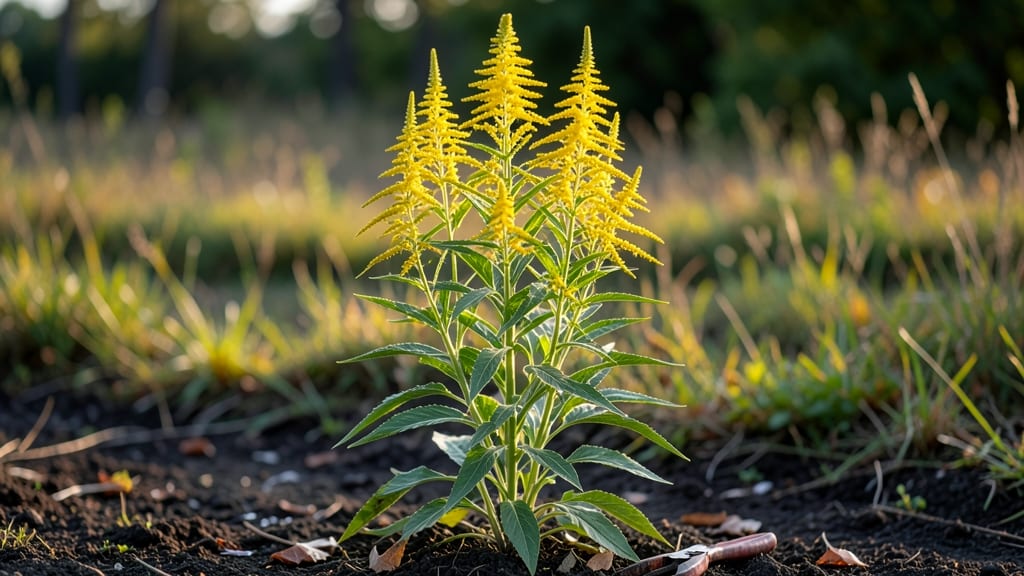
Tall fall flowers bring drama to your garden when summer blooms fade—think sunflowers reaching 6 feet, asters in deep purples, and ornamental grasses swaying in the breeze. 🌻 I learned the hard way that skipping these plants means a garden that flops after Labor Day, but the right choices keep color going until frost.
The best part? Many of these plants thrive with almost no pruning once established.
These towering beauties aren’t just about height—they’re about creating vertical interest that draws the eye. Sunflowers add bold yellows, while asters and goldenrods bring soft pinks and warm golds.
Pair them with shorter perennials like black-eyed Susans or sedum for contrast, and you’ll have a back-of-border display that feels like a natural stage set. Most need full sun and well-draining soil, but they’re surprisingly low-maintenance once planted.
By mid-October, your garden will still look alive with these stalwarts standing strong against cooler weather. The seed heads alone add winter interest, and you can even cut stems for arrangements that last weeks in a vase.
The key is spacing them properly—give each plant room to grow, and you’ll avoid overcrowding that leads to floppy stems.
Works in cottage gardens, modern landscapes, or even large containers. Once you try these, you’ll never let fall color slip away again.
📚 In This Guide
- What you need
- Instructions
- Tips and common mistakes
- Wrapping up and next steps
What you need
- ● Tall fall flowers: Choose from 2-3 varieties (e.g., Joe Pye weed (Eutrochium), coneflowers (Echinacea), black-eyed Susans (Rudbeckia), or tall grasses like Miscanthus). Select 5-7 mature plants (or seeds for spring planting) per variety for a full, lush look.
- ● Well-draining potting mix: 5-10 gallons, depending on container size (use a blend with peat moss or coconut coir for moisture retention).
- ● Containers or garden beds: Large containers (18"+ diameter, 12"+ depth) for single plants or small groupings.
- ● Garden beds (minimum 12" deep) for in-ground planting (ensure full sun exposure, 6+ hours/day).
- ● Organic fertilizer: Balanced 10-10-10 or slow-release granular (apply 1 tbsp per plant at planting and mid-season).
- ● Mulch: 2-3 inches of shredded bark or straw to retain moisture and suppress weeds.
- ● Watering can or hose with nozzle: 5-gallon capacity for deep watering (aim for 1 inch/week, adjusting for rain).
- ● Pruning shears: Bypass-type for clean cuts (sterilize with rubbing alcohol between plants).
- ● Garden gloves: Heavy-duty, waterproof to protect hands from thorns or rough stems.
- ● Stakes or plant supports: 3-4 ft bamboo or metal stakes for top-heavy varieties (e.g., Joe Pye weed).
- ● Soil pH test kit: Ensure slightly acidic to neutral (6.0-7.0 pH)—adjust with lime or sulfur if needed.
- ● Decorative elements: Garden markers (for labeling varieties).
- ● Solar-powered lights to highlight flowers after sunset.
- ○ Compost or worm castings: 1-2 cups per plant for a nutrient boost (optional but highly recommended).
Step-by-Step guide to planting tall fall flowers
Here's how to create a stunning fall display with minimal upkeep—just follow these easy steps.
🌱 Step 1: Select and Prepare Your Planting Site
Choose a location with 6+ hours of sunlight daily, as most tall fall bloomers thrive in full sun. I like to test the spot by placing a ruler vertically at noon—if the shadow is shorter than the ruler's height, it's perfect. Clear the area of weeds and debris, then loosen the top 6 inches of soil with a garden fork to improve drainage.
Add a 2-inch layer of compost to the loosened soil and mix it in thoroughly. This boosts nutrients without overwhelming the plants. For heavier clay soil, work in 1 part sand per 3 parts soil to help roots establish faster. The goal is loose, crumbly soil that holds moisture but doesn't stay soggy.
🪴 Step 2: Plant Tall Flowers in Groups for Impact
Dig holes twice as wide as the root ball and just as deep. Space plants 18-24 inches apart—this gives them room to grow tall without crowding. Gently remove each plant from its container and tease the roots outward if they're circling. Place the plant in the hole so the top of the root ball sits ½ inch below soil level.
Fill the hole with soil, pressing lightly around the base to eliminate air pockets. Water deeply right after planting to settle the soil and encourage root growth. I like to use a hose with a gentle spray nozzle to avoid disturbing the plants. Mulch around the base with 2-3 inches of organic mulch to retain moisture and suppress weeds.
☀️ Step 3: Provide Consistent Care for Long-Lasting Blooms
Water at the base of the plants early in the morning to reduce evaporation and fungal risks. Aim for 1 inch of water per week, adjusting for rain. You'll know you're doing it right when the top 1-2 inches of soil feel moist but not waterlogged. Tall flowers like sunflowers, asters, and goldenrod are drought-tolerant once established, but consistent moisture early on helps them thrive.
Fertilize lightly with a balanced, slow-release fertilizer at planting time and again in early fall. Avoid high-nitrogen feeds—these encourage leafy growth at the expense of flowers. Instead, opt for a 5-10-10 formula to support blooming. Deadhead spent flowers regularly to encourage more blooms and extend the season.
✂️ Step 4: Minimal Pruning for Season-Long Beauty
Prune only when necessary—cut back any leggy stems by ⅓ their length in early fall to promote bushier growth. Remove any yellow or damaged leaves to keep the plants healthy. For perennials like black-eyed Susans, cut back the stems to 6 inches tall after the first frost to protect them over winter.
Leave seed heads on some plants, like coneflowers and rudbeckias, for winter interest and to attract birds. If you prefer a cleaner look, trim them back after they've faded. Avoid heavy pruning in late fall—this can stress plants before winter. Instead, focus on tidying up and protecting them from harsh winds.
Tips & tricks for perfect tall fall flowers
Planting tall fall flowers isn't rocket science, but these little tricks will help you create a showstopping display that actually thrives all season long.
The Sunlight Secret: That 6+ hours of sunlight is non-negotiable, but here's what nobody tells you—morning sun is more important than afternoon. I've seen plants wilt dramatically in hot afternoon sun even when they got plenty of morning light. If your spot gets intense afternoon heat, consider adding some afternoon shade after the first week to help them acclimate.
Root Ball Rescue: When you're teasing those circling roots in Step 2, don't just pull them outward—gently spread them like a starfish shape. This prevents the dreaded "root-bound" look where roots just keep circling instead of spreading. I also like to make 2-3 small cuts around the root ball with a clean knife to encourage faster root establishment in heavy soil.
Mulch Magic: That 2-3 inches of mulch isn't just for looks—it's your secret weapon against weeds and moisture loss. I recommend using straw or shredded leaves rather than wood chips, because they break down faster and add nutrients as they decompose. Just make sure to keep the mulch 2 inches away from the plant stems to prevent rot.
Watering Wisdom: The 1-inch weekly watering guideline is perfect, but here's how to check you're doing it right: Stick your finger 1-2 inches into the soil. If it feels like a wrung-out sponge, you're good. If it's dry, water more. If it's soggy, cut back. I've seen too many gardeners either underwater or drown their plants—both are just as bad for tall flowers.
Pro Tips for Tall Fall Flowers
- Planting tall fall flowers isn't rocket science, but these little tricks will help you create a showstopping display ...
- The Sunlight Secret: That 6+ hours of sunlight is non-negotiable, but here's what nobody tells you—morning sun is mor...
- Root Ball Rescue: When you're teasing those circling roots in Step 2, don't just pull them outward—gently spread them...
Frequently asked questions
Got questions about keeping your garden vibrant with tall fall flowers? Here are some of the most common ones—and their easy answers!
What are the best tall flowers for fall color?
Top picks include Joe Pye weed, coneflowers, black-eyed Susans, and tall garden phlox. These thrive in cooler weather, offer bold blooms, and attract pollinators. For extra height, try Russian sage or switchgrass—both reach 4–6 feet!
When should I plant tall fall flowers for the best results?
Start seeds indoors 8–10 weeks before your last frost or transplant seedlings in early spring. If planting perennials, aim for late summer to early fall for root establishment. Annuals like cosmos or sunflowers can be sown directly in late spring for instant height!
How much pruning do tall fall flowers really need?
Minimal! Deadhead spent blooms to encourage more flowers, but avoid heavy cuts until late winter. For perennials like Joe Pye weed, trim back in early spring. Annuals like sunflowers? Just let them go—seed heads add winter interest!
Can tall fall flowers handle frost or rain?
Most are tough! Perennials like coneflowers and phlox tolerate light frost, while annuals like zinnia may need shelter. Heavy rain? Ensure good drainage—soggy soil can cause root rot. Mulch helps insulate roots in chilly nights.
What if my tall flowers flop over or look leggy?
Add staking (bamboo stakes or rings) or caging for support. For floppy stems, try tall grasses like feather reed grass as natural screens. Overcrowding? Thin plants to improve airflow and reduce competition.
Wrapping up and next steps
Tall fall flowers bring effortless beauty to your garden with striking heights and vibrant colors—all while requiring minimal upkeep! Whether you’re drawn to Veronica, Liatris, or Rudbeckia, these varieties thrive in autumn’s cooler weather and keep your landscape lively until frost.
With the right placement and a little seasonal care, you’ll enjoy months of drama without the fuss.
Ready to transform your space? Start small—pick one or two varieties to test in a sunny spot, then expand next year. Grab your gardening gloves, and let nature do the rest! 🌿