
Shrubs
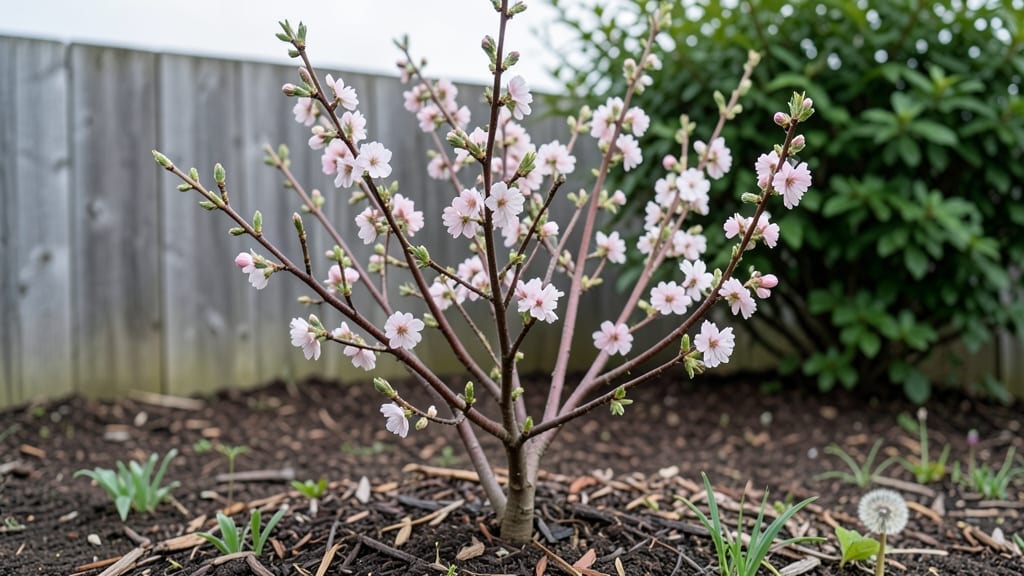
Growing a dwarf flowering almond means waking up to clouds of pink and white blossoms that smell like springtime in a tiny, manageable package. 🌸 I’ve watched mine transform my front yard from ordinary to showstopper—all while staying neatly contained in a 5-gallon pot or small garden bed.
The secret isn’t just its compact size, but how it delivers that signature almond fragrance for weeks, even in winter.
This shrub thrives in well-draining soil and full sun, but it’s surprisingly adaptable—just avoid soggy roots. Plant it in early spring or fall, and within a year, you’ll have branches heavy with delicate blooms that attract bees and hummingbirds.
The trade-off? It’s frost-sensitive, so in colder zones, grow it in containers and bring it indoors when temperatures drop below 20°F.
Pruning after flowering keeps it bushier, and with the right placement, it becomes the centerpiece of any garden—whether tucked into a mixed border or as a standalone specimen. The fragrance alone makes it worth the effort, but the way it brightens even gray days? That’s the real magic.
Perfect for small spaces, urban gardens, or anyone who wants that classic almond scent without the mess of a full-sized tree. Here’s how to make it thrive in your own yard.
📚 In This Guide
- What you need
- Instructions
- Tips and common mistakes
- Wrapping up and next steps
What you need
- ● Dwarf flowering almond plant: Choose between: Bare-root (spring planting) – 1-3 plants (for spacing flexibility)
- ● Container-grown (year-round planting) – 1-2 plants (3-5 gallons per pot)
- ● Seeds (slow-growing, 6-12 months to bloom) – 5-10 seeds (germination rate ~30%)
- ● Well-draining soil: Native soil amended with 30% perlite/pumice (for aeration)
- ● OR pre-mixed cactus/succulent blend (1 bag, ~1.5 cubic feet)
- ● Sunlight access: Full sun (6+ hours daily) or partial shade (4-6 hours) in hot climates
- ● Planting tools: Trowel or hand shovel
- ○ Garden gloves (optional but recommended)
- ○ Container gardening (optional): Pot with drainage holes (12-18" diameter for 1 plant)
- ● Saucer tray (to catch runoff)
- ● Watering: Watering can or hose with gentle spray nozzle
- ○ Drip irrigation kit (optional, for low-maintenance care)
- ● Fertilizer: Slow-release 10-10-10 granular fertilizer (1 tbsp per plant, spring/fall)
- ● Mulch: 2-3 inches of gravel or bark chips (to retain moisture and deter weeds)
- ● Pruning shears: For shaping after blooming (sterilize with rubbing alcohol)
- ● Pest control: Neem oil spray (preventative for aphids or spider mites)
Step-by-step guide to planting and caring for dwarf flowering almond trees
This compact, fragrant beauty thrives with the right approach—here’s how to cultivate it successfully.
🪴 Step 1: Select the Right Location and Prepare the Soil
Choose a spot with full sun exposure (6-8 hours daily) and well-draining soil. Dwarf flowering almonds tolerate a range of soil types but perform best in slightly acidic to neutral pH (6.0-7.5). If your soil is heavy clay, amend it with 2-3 inches of compost mixed into the top 12 inches of soil to improve drainage and aeration.
Dig a hole twice as wide as the root ball but no deeper—this prevents root suffocation. Loosen the sides of the hole with a garden fork to encourage root spread. Avoid planting in low-lying areas where water pools, as soggy roots lead to root rot and stunted growth.
🌱 Step 2: Plant the Tree at the Correct Depth and Stake for Support
Remove the tree from its container and gently tease the roots outward if they’re circling. Place it in the hole so the top of the root ball sits 1 inch above ground level. This ensures proper drainage and prevents water from pooling around the trunk. Backfill with native soil, tamping lightly as you go to eliminate air pockets.
Water deeply to settle the soil, then install a 5-foot stake positioned 3 inches away from the trunk. Secure the tree with a soft tie (like a rubberized fabric strip) to prevent trunk damage. Mulch the base with 2-3 inches of organic mulch, keeping it 3 inches away from the trunk to prevent rot. This conserves moisture and regulates soil temperature.
☀️ Step 3: Water and Fertilize for Healthy Growth
Water the tree deeply once a week during the first growing season, ensuring the soil is moist 6 inches down. Dwarf flowering almonds are drought-tolerant once established, but consistent moisture during the first year encourages strong root development. Avoid overhead watering, which can spread fungal diseases—water at the base instead.
Apply a balanced, slow-release fertilizer (10-10-10) in early spring, just as new growth begins. Follow the package instructions for dosage, typically ¼ cup per tree. Avoid over-fertilizing, which can lead to excessive leafy growth at the expense of fragrant blooms. A light top-dressing of compost in late fall also replenishes nutrients without risk of burn.
✂️ Step 4: Prune for Shape and Encourage Blooms
Prune in late winter or early spring before new growth begins. Remove any dead, diseased, or crossing branches first, then thin out crowded growth to improve airflow. Aim to maintain an open, vase-like shape—this allows sunlight to reach the inner branches, where the most fragrant flowers develop. Cut back to a healthy bud or lateral branch, making clean cuts at a 45-degree angle.
If your tree flowers poorly, prune more aggressively in the following year. Reduce the canopy by 20-30% to redirect energy into bloom production. Avoid heavy pruning after mid-summer, as new growth won’t harden off before winter. You’ll see the most dramatic improvement in fragrance within 2-3 years of consistent pruning.
⏰ Step 5: Protect and Maintain Through Seasons
In winter, apply a 3-inch layer of mulch around the base to insulate roots from freezing temperatures. Dwarf flowering almonds are hardy down to 10°F, but young trees benefit from extra protection. Avoid piling mulch against the trunk—this can trap moisture and invite pests.
Monitor for pests like aphids or scale, which can weaken the tree. Spray with a soapy water solution (1 tablespoon mild dish soap per gallon of water) if you spot infestations. With proper care, your dwarf flowering almond will reward you with scented blooms from late winter through early spring, often reblooming lightly in fall.
Tips & tricks for perfect dwarf flowering almond care
Here’s what nobody tells you about nurturing this fragrant gem—these pro tips will help you avoid common pitfalls and maximize those intoxicating blooms.
Soil Preparation Secret: Before planting, I always test my soil’s pH using a simple kit from the garden center. Dwarf flowering almonds are particular about their pH range of 6.0-7.5—too acidic or alkaline, and you’ll struggle with nutrient uptake. If your soil tests outside this range, amend it with elemental sulfur (to lower pH) or crushed limestone (to raise pH) before planting. The 2-3 inches of compost we mix into the top 12 inches isn’t just for drainage—it’s also creating the perfect microbial environment for root development.
Planting Depth Matters: That 1-inch elevation above ground level isn’t just about drainage—it’s about preventing a classic beginner mistake. Many gardeners bury the root ball too deeply, which can suffocate the tree and cause root rot. After planting, I always do a visual check: the top of the root ball should be clearly visible above the soil line, with only the roots buried. This small detail makes all the difference in establishing a healthy tree.
Watering Wisdom: The once-a-week deep watering during the first year might seem straightforward, but timing is everything. I water in the morning between 6-8 AM when temperatures are cooler and evaporation is minimal. This gives the roots plenty of time to absorb moisture before the heat of the day. And here’s a trick: after watering, I always check the soil moisture 6 inches down with my finger—if it’s still damp, I wait another day. Overwatering is just as damaging as underwatering for these delicate trees.
Pruning Precision: When it comes to that 20-30% canopy reduction for better blooms, I always prune in late winter when the tree is still dormant. Using sharp, clean pruners, I make cuts just outside the branch collar at a 45-degree angle. This technique promotes faster healing and prevents disease entry points. The key is patience—you won’t see dramatic results until that 2-3 year mark, but trust me, the fragrant blooms will be worth the wait.
Pro Tips for Dwarf Flowering Almond
- Here’s what nobody tells you about nurturing this fragrant gem—these pro tips will help you avoid common pitfalls and maximize those intoxicating blooms.
- Soil Preparation Secret: Before planting, I always test my soil’s pH using a simple kit from the garden center.
- Planting Depth Matters: That 1-inch elevation above ground level isn’t just about drainage—it’s about preventing a classic beginner mistake.
Frequently asked questions
Got questions about your dwarf flowering almond? You’re not alone!
Here are answers to the most common queries to help you grow and enjoy this fragrant beauty with ease.
How fast does a dwarf flowering almond grow?
A dwarf flowering almond grows slowly but steadily—typically 6 to 12 inches per year. With proper care, it can reach 3 to 5 feet tall within 3–5 years. Patience pays off as its delicate blooms reward you sooner than you’d expect!
Is it cold-hardy? What’s the best way to protect it in winter?
Most dwarf flowering almonds thrive in USDA Zones 6–9. For colder climates (Zone 5 or lower), mulch heavily around the base and wrap young trees in burlap or frost cloth. Prune back dead blooms in early spring to encourage fresh growth.
Why aren’t my dwarf flowering almond blooms opening?
Blooms may stay closed due to cold temperatures, lack of sunlight, or improper dormancy. Ensure it gets 6+ hours of sun daily and protect it from late frosts. If planted recently, give it a year—some varieties need time to establish before flowering!
Can I grow a dwarf flowering almond in a pot?
Use a 15–20 gallon container with well-draining soil and ensure it has drainage holes. Choose a variety like ‘Springtime’ or ‘Royal Velours’, which adapt well to containers. Move it indoors or to a sheltered spot in winter if temperatures drop below 10°F.
Are dwarf flowering almonds toxic to pets or kids?
Yes, the leaves, twigs, and seeds contain amygdalin, which can release cyanide if ingested. While the risk is low for small amounts, keep pets/kids away from chewing. Opt for pet-safe alternatives like mock orange if you’re concerned.
What’s the best alternative if I want a fragrant, low-maintenance shrub?
Consider these fragrant, compact shrubs:
- Mock orange (Philadelphus) – Sweetly scented, deer-resistant, and drought-tolerant.
- Dwarf lilac (Syringa meyeri) – Hardy, prolific blooms, and low-maintenance.
- Abelia (Abelia x grandiflora) – Evergreen, fragrant, and thrives in partial shade.
Wrapping up and next steps
The dwarf flowering almond is a fantastic choice for adding year-round fragrance and beauty to small gardens, containers, or urban spaces—without sacrificing space! 🌸 Its compact size, stunning blooms, and low-maintenance care make it a dream for both beginners and seasoned gardeners.
Whether you’re drawn to its delicate flowers or its sweet almond scent, this shrub is a rewarding addition to any outdoor (or indoor!) setting.
Ready to bring home your own? Start by selecting the perfect spot—whether sunny and sheltered or partially shaded—and gather your supplies. With the right care, you’ll be enjoying its blooms in no time! Happy gardening! 🌱