
Landscaping
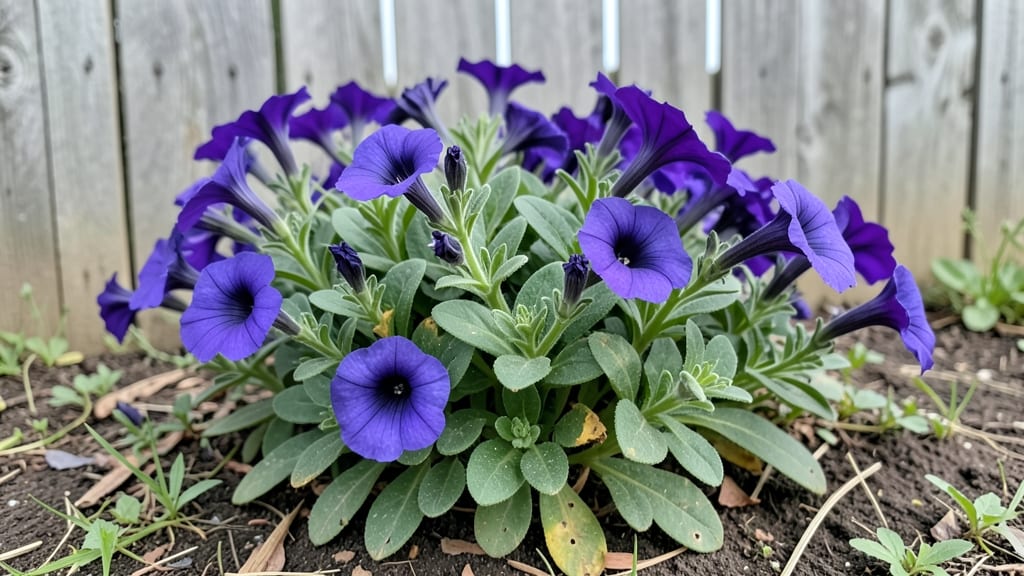
A front yard petunia flower bed transforms your curb appeal from ordinary to showstopping with just a few weeks of planning. I still remember the first time I saw my neighbor’s petunias—deep purple, spilling over wooden borders—it made me realize how much a single bed could change a house’s personality.
The secret isn’t just the flowers, but how you layer them with complementary plants and smart spacing to keep the color popping from spring until frost.
Start with petunia varieties that match your sunlight: trailing types for borders, mounding types for height, and heat-tolerant ones if your summers hit 90°F. Add calibrachoas for tiny, trailing blooms or salvias for vertical contrast—both handle the same care routine.
My biggest mistake? Crowding petunias too close; they need 12-18 inches between plants to breathe and thrive. A 3-inch layer of mulch keeps roots cool and weeds at bay, cutting maintenance by half.
By late spring, you’ll have a bed so vibrant it stops neighbors mid-conversation. The velvety blooms in jewel tones—magenta, cobalt, or buttery yellow—create a living tapestry that changes with the season.
Even in partial shade, the right petunia mix delivers weeks of continuous blooms, making it the ultimate low-effort, high-impact garden feature. The best part? Deadheading spent flowers keeps them producing until frost, giving you color when most annuals call it quits.
Want to mix it up? Try a raised bed for better drainage or container petunias in hanging baskets for vertical drama. In colder zones, treat them as annuals; in warmer areas, they might overwinter with a little protection.
The key is starting seeds indoors 8-10 weeks before last frost—trust me, the difference between store-bought transplants and homegrown is night and day. Let’s make your front yard the envy of the block.
📚 In This Guide
- What you need
- Instructions
- Tips and common mistakes
- Wrapping up and next steps
What you need
- ● Petunia plants: 12–24 plants (depending on bed size; spreading varieties like 'Wave' or upright varieties like 'Supertunia' work best).
- ● Potting soil or garden soil: 2–3 cubic yards (amend with compost for better drainage).
- ● Mulch: 2–3 bags (shredded bark or pine straw to retain moisture and suppress weeds).
- ● Slow-release fertilizer: 10–20 lbs (look for a balanced 10-10-10 or time-release formula).
- ● Watering can or hose with a spray nozzle: (for gentle hydration).
- ● Garden gloves: (to protect your hands from thorns or soil).
- ● Pruners or shears: (for trimming dead blooms or overgrowth).
- ● Edging material: (stone, metal, or plastic to define the bed).
- ● Decorative stakes or trellises: (for trailing petunias like 'Black Velvet').
- ● Liquid plant food: (for a mid-season nutrient boost).
- ● Drip irrigation system: (for hassle-free watering).
- ● Color-coordinated garden flags or stakes: (to label varieties if mixing colors).
Step-by-Step instructions for creating a stunning petunia flower bed
Here’s how to craft a vibrant petunia display that blooms continuously from spring through frost.
Choose and Prepare the Planting Site
Select a location with full sun exposure—petunias demand at least 6-8 hours of direct sunlight daily to thrive. Avoid low-lying areas where cold air settles, as petunias are frost-sensitive. Clear the space of weeds, grass, and debris, then mark the bed dimensions with landscape fabric or stakes to define your 4-foot-wide by 8-foot-long planting area.
Loosen the soil to a depth of 12 inches using a garden fork or tiller. Petunias prefer well-draining soil, so amend heavy clay with 2-3 inches of compost or organic matter to improve aeration and fertility. Mix the compost into the top 6 inches of soil thoroughly. This step ensures roots establish quickly and prevents waterlogging, which can stunt growth or invite disease.
Plant Petunias for Maximum Impact
Space petunias 10-12 inches apart in rows 18 inches apart to allow for airflow and easy maintenance. Dig holes twice as wide as the root ball but no deeper—planting too deep can suffocate roots. Gently remove each plant from its container, tease apart tangled roots if necessary, and place it in the hole so the top of the root ball sits level with the surrounding soil. Press soil firmly around the base to eliminate air pockets.
Water each newly planted petunia deeply to settle the soil and encourage root contact. Use a soaker hose or drip irrigation to deliver water slowly at the base, avoiding overhead watering that can spread disease. Mulch the bed with 2-3 inches of shredded bark or pine straw, leaving a 2-inch gap around stems to prevent rot. Mulch conserves moisture, regulates soil temperature, and suppresses weeds—critical for petunias, which thrive on consistent hydration.
Establish a Watering and Fertilizing Routine
Water petunias early in the morning to reduce evaporation and fungal risks. Aim for 1-1.5 inches of water per week, delivered in 2-3 sessions rather than all at once. Let the top 1-2 inches of soil dry out between waterings—petunias wilt dramatically when thirsty but bounce back quickly once rehydrated. Use a moisture meter or stick your finger into the soil to gauge dryness; if it feels damp 1 inch down, hold off on watering.
Feed petunias every 2 weeks with a balanced, water-soluble fertilizer (10-10-10 or 20-20-20) diluted to half-strength. Start fertilizing 2 weeks after planting and continue until 4 weeks before the first frost. Petunias are heavy feeders, so don’t skip this step—it’s what fuels their nonstop blooming. Always water thoroughly after fertilizing to prevent root burn. Deadhead spent blooms weekly by pinching off flowers just above the next set of leaves to redirect energy into new growth.
Maintain and Extend the Blooming Season
Monitor the bed daily for pests like aphids, spider mites, or slugs. Petunias attract few pests, but early intervention is key—spray infested plants with neem oil or insecticidal soap in the early morning or evening to avoid harming pollinators. For slugs, set out beer traps or diatomaceous earth around the bed’s perimeter. Prune leggy stems back by one-third in late spring and early summer to encourage bushier, more compact growth and prevent flopping.
To prolong blooms into fall, reduce fertilizer applications starting in August and switch to a low-nitrogen, high-phosphorus formula (like 5-10-5) to promote flowering over foliage. As temperatures drop below 50°F at night, move potted petunias to a sheltered location or bring them indoors briefly if frost threatens. Most petunias die back with frost, but with proper care, they’ll reward you with months of vibrant color and minimal effort.
Tips & tricks for perfect petunia flower beds
Creating a showstopping petunia display isn't just about planting—it's about understanding the delicate balance between sunlight, soil, and seasonal care that transforms ordinary garden beds into vibrant masterpieces.
Sunlight Strategy: In Step 1, when selecting your 4-foot by 8-foot bed, prioritize locations that receive the full 6-8 hours of direct sunlight petunias crave daily. I've learned the hard way that even a few hours less can dramatically reduce blooming—consider your yard's sun patterns throughout the day, not just peak hours. If your yard has partial shade, opt for trailing petunia varieties that tolerate slightly less light while still delivering that bold color impact.
Soil Preparation Secret: The 12-inch soil loosening in Step 1 is non-negotiable, but here's what nobody tells you: For clay-heavy soils, mix in 2-3 inches of compost AND add a handful of perlite to each planting hole. This creates instant drainage channels that prevent the waterlogging that often stunts petunia growth. I've seen petunias thrive in what would otherwise be problematic soil after this simple amendment.
Planting Precision: When spacing your petunias 10-12 inches apart in Step 2, use a simple string line and measuring tape to create perfectly straight rows. This isn't just about aesthetics—proper spacing prevents airflow issues that lead to fungal diseases. I also recommend planting in a staggered pattern rather than straight lines, which creates a more natural, fuller look while allowing each plant maximum root space.
Fertilizer Timing: The 2-week feeding schedule in Step 3 works wonders, but here's the professional trick: Always fertilize in the morning when temperatures are cooler. This prevents fertilizer burn that can occur when applying to hot, dry soil. I've also found that alternating between liquid fertilizer and slow-release granules every other feeding provides more consistent nutrition without risking over-fertilization.
Pro Tips for Front Yard Petunia Flower Bed
- Creating a showstopping petunia display isn't just about planting—it's about understanding the delicate balance between sunlight, soil, and seasonal care that transforms ordinary garden beds into vibrant masterpieces.
- Sunlight Strategy: In Step 1, when selecting your 4-foot by 8-foot bed, prioritize locations that receive the full 6-8 hours of direct sunlight petunias crave daily.
- Soil Preparation Secret: The 12-inch soil loosening in Step 1 is non-negotiable, but here's what nobody tells you: For clay-heavy soils, mix in 2-3 inches of compost AND add a handful of perlite to each planting hole.
Frequently asked questions
Got questions about creating a stunning front yard petunia flower bed? You’re not alone! Here are answers to the most common queries to help you plan with confidence.
When is the best time to plant petunias in my flower bed?
For most U.S. climates, plant petunias after the last frost—typically late spring (April–May). In warmer zones (Zones 9–11), you can start as early as February–March. If planting in fall, do so 8–10 weeks before the first frost for blooms before winter. Pro tip: Check your local frost dates to avoid cold snaps!
How often should I water my petunia flower bed?
Petunias love consistent moisture—water daily in hot weather (early morning is best) and 2–3 times weekly in cooler months. Let the top inch of soil dry out between waterings to prevent root rot. Mulch (1–2 inches) helps retain moisture and keep soil cool. Bonus: Drip irrigation saves time and reduces evaporation!
What pests or diseases should I watch for in petunia beds?
Common issues include aphids, spider mites, and whiteflies (spray with soapy water or neem oil) and powdery mildew (improve airflow, avoid overhead watering). Preventative care: Deadhead spent blooms, remove debris, and choose disease-resistant varieties like 'Wave' or 'Supertunia'. Act fast: Isolate affected plants to stop spread!
Can I mix petunias with other flowers in my front yard bed?
Petunias pair beautifully with salvias, marigolds, or calibrachoas for height contrast, or violets and pansies for trailing color. Avoid overcrowding—space petunias 10–12 inches apart and taller plants (like snapdragons) at the back. Design tip: Use annuals for color and perennials for structure (e.g., ornamental grasses).
Do petunias come back every year, or do I need to replant?
Petunias are annuals in most climates, meaning they die back with frost and must be replanted yearly. However, in Zones 10–11, they may self-seed or return as perennials. Plan ahead: Save seeds from healthy blooms or start new plants indoors in February for early spring color!
How can I keep my petunia bed looking full and vibrant all season?
Deadhead spent blooms weekly to encourage new flowers, and fertilize every 2–4 weeks with a balanced, water-soluble fertilizer (10-10-10). Extra care: Pinch back leggy stems to promote bushiness, and rotate plants occasionally for even growth. Quick fix: Add a slow-release granular fertilizer at planting for low-maintenance feeding!
Wrapping up and next steps
Creating a stunning front yard petunia flower bed is all about embracing bold colors and seasonal beauty with minimal effort! 🌸 With the right soil prep, petunia varieties, and a little TLC, you’ll enjoy vibrant blooms from spring to frost.
Whether you’re a gardening pro or just starting out, this project is rewarding and fun—so roll up your sleeves and let your creativity shine.
Ready to transform your space? Start small with a single bed or go big with a full yard makeover. Grab your supplies, follow the steps, and watch your front yard become the talk of the neighborhood!