
Landscaping
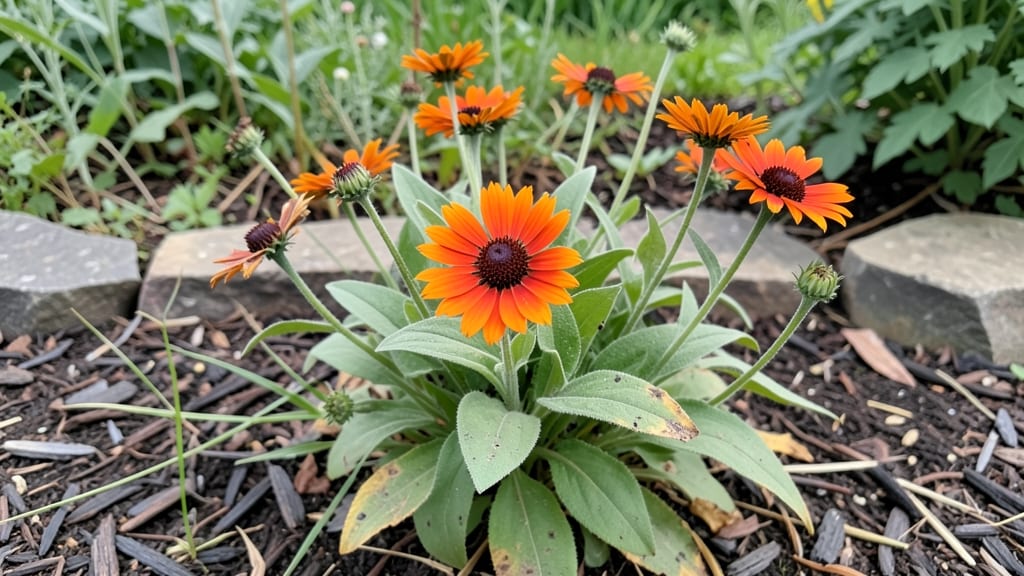
Blanket flower landscaping turns ordinary borders into bold, sun-loving statements that refuse to quit—even when summer forgets to water. 🌻 I’ve used these fiery blooms to dress up dry slopes, fill gaps between boulders, and create cottage-garden charm with almost no effort.
The secret lies in their fearless nature: they thrive where other plants wilt, and their colors—deep reds, golds, and oranges—punch through drought like nothing else.
Start with well-draining soil and full sun (they’ll sulk in shade), then space plants 12–18 inches apart for that lush, meadow-like look. Pair them with lavender for texture, salvia for height, or yarrow to extend the seasonal show.
The best part? They self-seed happily, so once planted, they’ll spread like a living tapestry—no replanting needed. Just sit back and watch them multiply.
By late summer, your landscape will hum with vibrant color that outlasts the heat, and the blooms keep coming until frost. The foliage stays tidy, the bees adore them, and they bounce back after the first hard freeze—unlike many annuals that fizzle by August.
This is low-maintenance drama at its finest, and it works in containers, borders, or even as a ground cover for tough spots.
For extra flair, try mixing heights—tall blanket flowers in back, shorter varieties in front—and add mulch to lock in moisture. They’re tough enough to handle neglect but reward attention with longer blooming seasons.
Once you see how easy they are, you’ll wonder why you didn’t fill your garden with them years ago.
📚 In This Guide
- What you need
- Instructions
- Tips and common mistakes
- Wrapping up and next steps
What you need
- ● Blanket flower plants (Gaillardia spp.) – 3–5 plants per square foot (or 10–15 per 100 sq. ft. for full coverage). Choose varieties like 'Arizona Sun,' 'Mesa Red,' or 'Fanfare' for color and drought resistance.
- ● Well-draining soil – Mix native soil with compost (50/50 ratio) or use cactus/succulent mix for sandy or rocky areas.
- ● Mulch – 2–3 inches of gravel, bark, or straw mulch to retain moisture and suppress weeds.
- ● Watering can or hose with a gentle spray nozzle – For deep but infrequent watering (1–1.5 inches per week, including rain).
- ● Gloves and knee pads – Because every landscaper’s secret weapon! 😉
- ● Trowel or hand shovel – For digging small holes (6–8 inches deep).
- ● Garden fork or spade – To loosen soil in larger planting areas.
- ● Measuring tape or ruler – To space plants 12–18 inches apart (closer for borders, wider for full sun exposure).
- ○ Pruners (optional) – For trimming dead foliage or shaping plants after blooming.
- ● Slow-release fertilizer – A balanced 10-10-10 or low-phosphorus option (like 5-5-5) to boost blooms without overfeeding.
- ● Drip irrigation system – For hands-off watering in drought-prone areas.
- ● Companion plants – Pair with lavender, yarrow, or ornamental grasses for texture and pollinator appeal.
- ● Edging stones or metal borders – To define flower beds and keep mulch in place.
Step-by-Step instructions for planting blanket flowers in landscapes
Here’s how to create bold, long-lasting color with minimal fuss—perfect for dry climates.
🌱 Step 1: Choose the Right Location and Soil
Blanket flowers thrive in full sun, so pick a spot that gets at least 6 hours of direct sunlight daily. They tolerate poor soil but grow best in well-draining, slightly rocky ground. If your soil is heavy clay, mix in 1-2 inches of coarse sand or gravel to improve drainage.
Dig a hole about twice as wide as the plant’s root ball but only as deep. This encourages roots to spread horizontally, which helps them establish quickly in dry conditions. I always loosen the sides of the hole with a fork to prevent soil compaction—this lets roots grow outward instead of circling.
🌿 Step 2: Plant at the Correct Depth and Spacing
Place the blanket flower so the top of the root ball sits just below soil level. Burying too deep can suffocate the plant, while planting too shallow exposes roots to drying winds. Fill the hole halfway with soil, then water deeply to settle it around the roots.
Space plants 12-18 inches apart in rows, or 18-24 inches apart for a more natural, wildflower look. I like to stagger plants in a grid pattern—this prevents gaps from showing as they fill in. After planting, add a 1-inch layer of mulch (like gravel or bark) to conserve moisture and suppress weeds.
☀️ Step 3: Water Deeply and Establish Roots
Water immediately after planting to help soil settle, then water once a week for the first month—deeply enough to moisten the soil 6 inches down. Blanket flowers are drought-tolerant once established, but young plants need consistent moisture to root deeply. You’ll know they’re settled when new growth appears after 3-4 weeks.
After the first month, reduce watering to every 2 weeks unless your area experiences extreme heat or drought. Overwatering is the real enemy—it causes root rot. Let the top 2 inches of soil dry out between waterings, and you’ll avoid soggy roots while keeping plants vibrant.
✂️ Step 4: Prune for Longer Blooms and Shape
Deadhead spent blooms by pinching off faded flowers at the base with clean pruners. This encourages more blooms and prevents the plant from seeding everywhere. I do this every 2-3 weeks during peak bloom (late spring through fall) to keep the plant looking fresh and productive.
In late fall, cut back stems to 4-6 inches tall to tidy up the plant and remove any dead foliage. Don’t worry—blanket flowers are hardy and will bounce back in spring. If you live in a cold climate, add a 2-inch layer of mulch around the base to protect roots from freezing.
🌿 Step 5: Maintain for Season-Long Color
Fertilize lightly in early spring with a balanced, slow-release fertilizer (like 10-10-10) to support new growth. Too much fertilizer can lead to lush foliage but fewer flowers, so I skip it after the first year unless the soil is particularly poor. Water deeply once a month during dry spells to keep the roots happy.
Watch for powdery mildew in humid climates—it shows up as white, powdery spots on leaves. If you see it, remove affected leaves and improve airflow by spacing plants farther apart. With minimal care, blanket flowers will reward you with bold blooms from early summer to frost, making them a low-maintenance star in any landscape.
Tips & tricks for perfect blanket flower landscaping
These simple strategies will help your blanket flowers thrive with minimal fuss—especially in dry conditions.
Soil Prep Secret: Don't skip the soil amendment step in Step 1! If your soil is heavy clay, mix in that 1-2 inches of coarse sand or gravel—it's the difference between plants struggling and plants thriving. I've seen blanket flowers in amended soil bloom twice as long. The key is breaking up compaction with a fork so roots can spread horizontally rather than circling.
Planting Depth Matters: In Step 2, when placing your blanket flowers, aim for the top of the root ball to sit just below soil level. Too deep and the plant suffocates; too shallow and roots dry out. I test depth by pressing gently—if the soil feels firm around the base but not packed tight, you're golden. This small detail makes all the difference in establishment.
Watering Wisdom: The once a week for the first month watering schedule in Step 3 is non-negotiable for young plants. Water deeply to moisten 6 inches down—this encourages deep root growth. After that first month, let the top 2 inches dry out between waterings. Overwatering is the silent killer of blanket flowers, causing root rot that's hard to recover from.
Pruning Pro Tip: When deadheading in Step 4, use clean pruners and cut just above a leaf node. This encourages new growth and more blooms. I've found that doing this every 2-3 weeks during peak bloom keeps plants looking fresh and productive. For fall cleanup, cutting back to 4-6 inches removes dead foliage while protecting roots from winter chill.
Pro Tips for Blanket Flower Landscaping
- These simple strategies will help your blanket flowers thrive with minimal fuss—especially in dry conditions.
- Soil Prep Secret: Don't skip the soil amendment step in Step 1!
- Planting Depth Matters: In Step 2, when placing your blanket flowers, aim for the top of the root ball to sit just below soil level.
Frequently asked questions
Got questions about adding blanket flowers (Gaillardia) to your landscaping? You’re not alone! Here are some of the most common queries—plus straightforward answers to help you grow with confidence.
When is the best time to plant blanket flowers?
Plant them in early spring or late summer for optimal root establishment. Blanket flowers thrive in warm soil, so avoid planting when nighttime temps dip below 50°F (10°C). If planting in fall, do so at least 6-8 weeks before frost to prevent winter damage.
How often should I water blanket flowers, especially in drought conditions?
Once established (after 2-3 weeks), blanket flowers are extremely drought-tolerant—water deeply but infrequently (every 1-2 weeks). During extreme heat, give them a weekly drink to keep blooms vibrant. Mulch around the base to retain moisture and suppress weeds.
Are blanket flowers prone to pests or diseases? How do I prevent issues?
They’re generally low-maintenance, but watch for aphids, spider mites, or powdery mildew in humid climates. Prevent problems by:
- Spacing plants 12–18 inches apart for airflow.
- Avoid overhead watering (water at the base).
- Deadhead spent blooms to encourage new growth.
Can I grow blanket flowers in containers? What’s the best setup?
Use a 5+ gallon pot with well-draining soil and add sand or perlite for aeration. Choose a sunny spot (6+ hours of light) and place containers where they get good airflow. Dwarf varieties like ‘Arizona Sun’ work best for pots.
What are some great companion plants for blanket flowers?
Pair them with drought-tolerant perennials like:
- Black-eyed Susans (Rudbeckia) – Complements warm tones.
- Sedum (Stonecrop) – Adds texture and thrives in dry soil.
- Russian Sage (Perovskia) – Creates a striking contrast.
- Lavender – Repels pests naturally.
Do blanket flowers come back every year, or are they annuals?
Most blanket flowers are perennial in USDA zones 3–10, but they may self-seed aggressively in mild winters. In colder zones (<3), treat them as short-lived perennials or annuals. If you love their color, sow seeds yearly for continuous blooms!
Wrapping up and next steps
Blanket flower landscaping is your secret weapon for stunning, low-maintenance beauty that dances with drought and thrives year-round! 🌸 From vibrant borders to pollinator-friendly gardens, these hardy blooms bring effortless color with minimal fuss.
Whether you're a seasoned gardener or just starting, start small, experiment boldly, and let nature do the rest—your future garden will thank you!
Ready to transform your space? Grab your gloves, pick a sunny spot, and dive in—your blanket flower dreams are just digging away! 🌞