Companion Plants
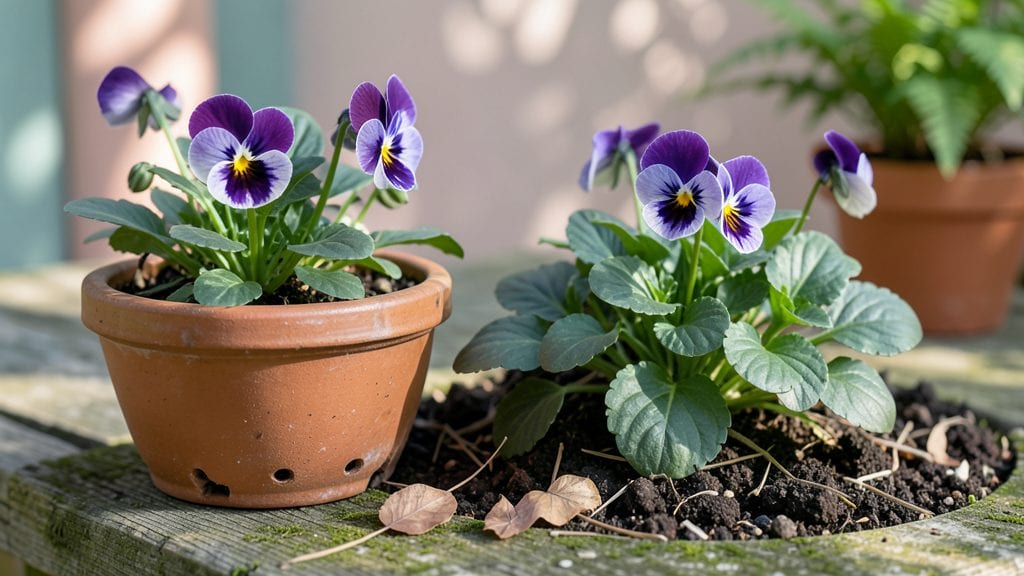
These mini flower plants—fairy roses and dwarf petunias—have transformed my balcony into a vibrant, never-ending floral parade. These mini flower plants prove you don’t need a big yard for big color, and they thrive in containers, fairy gardens, or tucked between larger plants.
The key is choosing the right varieties for your space and light, then giving them the consistent care they crave without fuss.
Start with well-draining soil and containers with drainage holes—terracotta pots work beautifully for these little powerhouses. Most need 4-6 hours of sunlight daily, though some shade-tolerant varieties like fairy impatiens will reward you with blooms in partial shade too.
Spacing matters: crowding leads to leggy stems, so keep plants 2-4 inches apart depending on the variety. I’ve found that dwarf petunias and calibrachoas spill beautifully over edges, while fairy roses stay compact and bushy.
Once planted, water when the top inch of soil feels dry—these tiny plants dry out faster than you’d think. A balanced liquid fertilizer every 2-3 weeks keeps blooms coming, and deadheading spent flowers encourages even more flowers.
The payoff? A cascade of color that lasts from spring through fall, and with the right winter care, even into winter months. My balcony now gets compliments every time I walk by.
Mix them with succulents for texture, or pair with herbs like thyme for a fragrant, functional display. These plants are perfect for small spaces, urban balconies, or even as tabletop gardens.
The secret to success? Treat them like the little divas they are—give them what they need, and they’ll reward you with nonstop blooms all season long.
📚 In This Guide
- What you need
- Instructions
- Tips and common mistakes
- Wrapping up and next steps
What you need
- ● Mini flower seeds or seedlings: Choose compact varieties like pansies, petunias, calibrachoa, or miniature roses (10–20 plants, depending on desired density). Opt for dwarf or fairy-sized cultivars (e.g., "Mini Blueberry" petunias or "Thumbelina" roses).
- ● Containers: 4–6" diameter pots (or hanging baskets) with drainage holes. Use 2–3 plants per container for optimal airflow.
- ● High-quality potting mix: Lightweight, well-draining blend (e.g., African violet mix or 50% peat/50% perlite). Avoid garden soil—it compacts too easily!
- ● Slow-release fertilizer: Granular or spike form (e.g., 14-14-14 NPK ratio) for steady nutrition.
- ● Watering can or spray bottle: With a gentle rose nozzle to avoid disturbing soil.
- ● Shears or small pruners: For trimming dead blooms or leggy stems (sterilize with rubbing alcohol between plants).
- ● Decorative accents: Miniature garden flags, pebbles, or moss for a whimsical touch.
- ● Grow lights: LED full-spectrum bulbs (if growing indoors with 12–14 hours of light/day).
- ● Epsom salt: 1 tsp/month dissolved in water for magnesium boost (especially for blooms).
- ● Companion plant starters: Tiny herbs like thyme or oregano to deter pests naturally.
Step-by-Step instructions for growing mini flower plants
Here’s how to create a vibrant display of tiny blooms that thrive year-round with minimal fuss.
Select Compact Varieties and Prepare Containers
Choose dwarf or miniature flower varieties like pansies, calibrachoa, or miniature roses—these stay small but pack bold color. Use the 4-inch pots from your supplies for individual plants, or a 12-inch container for grouping. Ensure each pot has drainage holes to prevent soggy roots, which can rot delicate mini blooms.
Fill each pot with 2 cups of potting mix per 4-inch container or 6 cups for the 12-inch planter. Press the soil lightly so it’s firm enough to support stems but loose enough for roots to spread. Leave about ½ inch of space at the top to avoid spilling when watering.
Plant Seedlings or Transplants Correctly
Gently remove seedlings from their nursery pots, loosening roots if they’re tightly bound. For 4-inch pots, plant one mini flower per container—crowding stunts growth. In the 12-inch planter, space 3-4 plants about 3 inches apart to allow airflow and prevent disease.
Dig a hole twice as wide as the root ball but only as deep as the pot’s original soil line. This prevents burying stems too deep, which can cause rot. Water lightly after planting to settle the soil around roots, but avoid soaking—mini flowers hate wet feet.
Provide Bright Light and Consistent Watering
Place your mini blooms in a spot with 6+ hours of sunlight daily—a south-facing window or under grow lights. Without enough light, stems stretch weak and flowers stay small. If indoors, rotate the pots weekly so all sides get even exposure.
Water when the top inch of soil feels dry—usually every 2-3 days in warm weather, but less in cooler months. Use the spray bottle for gentle watering to avoid disturbing delicate petals. Let excess water drain completely; soggy soil invites fungus that can kill tiny plants overnight.
Feed and Prune for Continuous Blooms
Add ½ teaspoon of slow-release fertilizer to each 4-inch pot or 2 teaspoons to the 12-inch planter at planting. This gives a steady nutrient supply without burning tender roots. Repeat every 6-8 weeks to encourage nonstop blooming.
Deadhead spent flowers by pinching off the stem just above a set of leaves. This redirects energy to new buds instead of seed production. For leggy stems, trim back by ⅓ to promote bushier growth—your plants will rebound with fresh, compact foliage in 2-3 weeks.
Adjust Care for Seasonal Changes
In winter, reduce watering to once a week unless indoors with heat—dry air and low light slow growth. Move pots near a sunny window or under grow lights for 12 hours daily to maintain color. If outdoor temps drop below 40°F, bring pots inside temporarily.
Every 3-4 months, refresh the soil by top-dressing with ½ cup of fresh potting mix per 4-inch pot. This replenishes nutrients and improves drainage. Prune back by half in early spring to encourage fresh, vigorous growth before the blooming season peaks.
Tips & tricks for perfect mini flower plants
Here’s what I’ve learned after growing these tiny beauties for years—the secrets that keep them thriving when others struggle.
Container Selection Matters: While the instructions call for 4-inch pots and a 12-inch planter, I’ve found that terracotta pots actually work better for pansies and calibrachoa. They breathe better than plastic, preventing soggy roots that can rot delicate mini blooms. Just make sure they have those drainage holes—this is non-negotiable for tiny plants with shallow roots.
Soil Depth is Critical: When planting in Step 2, resist the urge to bury stems too deep. The instructions specify planting at the original soil line, but I’ve seen many beginners plant too shallow too. Aim for that perfect balance—just enough soil to support the plant without covering the stem base. You’ll notice healthier stems that don’t develop rot when you get this right.
Light Requirements Can’t Be Compromised: The 6+ hours of sunlight mentioned in Step 3 is absolutely essential. If you’re growing indoors, supplement with grow lights for 12 hours daily during winter when natural light is scarce. I’ve had plants stretch weak and flowers stay small when they didn’t get enough light—it’s the #1 reason mini blooms fail to thrive.
Watering Strategy for Delicate Petals: That spray bottle in Step 3 isn’t just for gentle watering—it’s also perfect for misting leaves on hot days. Mini flowers have tiny, delicate petals that can burn in direct sunlight. I’ve found that a quick misting in the morning helps maintain that vibrant color and prevents wilting that can happen with bottom-watering alone.
Pro Tips for Mini Flower Plants
- Here’s what I’ve learned after growing these tiny beauties for years—the secrets that keep them thriving when others struggle.
- Container Selection Matters: While the instructions call for 4-inch pots and a 12-inch planter, I’ve found that terracotta pots actually work better for pansies and calibrachoa.
- Soil Depth is Critical: When planting in Step 2, resist the urge to bury stems too deep.
Frequently asked questions
Got questions about keeping your mini flower plants thriving? You’re not alone! Here are some of the most common queries—plus quick, practical answers to keep your tiny blooms happy all year.
What are the easiest mini flower plants for beginners?
Start with petunias, pansies, or bacopa—they’re tough, colorful, and perfect for small pots. Calibrachoa (aka "million bells") is another winner for cascading blooms. Avoid fussy varieties like orchids unless you’re ready for extra care!
How often should I water my mini flower plants?
Check soil moisture daily—tiny pots dry out fast! Water when the top inch feels dry, but avoid soggy roots. Morning watering is best to prevent fungal issues. Pro tip: Use a spray bottle for delicate varieties like impatiens to mimic gentle rain.
Can mini flower plants survive winter indoors?
Yes! Most thrive indoors near bright windows (south-facing is ideal). Reduce watering in winter—overwatering is the #1 killer. If leaves yellow, it’s often a sign of too much light or cold drafts. A grow light helps if natural light is weak.
How do I revive a leggy or sparse mini flower plant?
Leggy growth? It’s usually from lack of light. Move it closer to a window or add a grow light. For sparse blooms, pinch back leggy stems to encourage bushiness. Fertilize lightly (half-strength, every 2–3 weeks) to boost blooms without burning roots.
Are there non-flowering mini plants for year-round greenery?
Try miniature ferns, dwarf succulents (like hens and chicks), or air plants (tillandsias) for low-maintenance greenery. Even herbs like thyme or parsley stay compact and add texture. Mix them with flowers for a layered look!
Why are my mini flowers wilting even after watering?
Wilting can mean root rot (from overwatering), underwatering, or heat stress. Check the roots—if mushy, repot in fresh soil. If soil is bone-dry, soak the pot. Move to shadier spot if leaves crisp (sunburn). Pests like aphids can also sap energy—spray with neem oil if needed.
Wrapping up and next steps
Mini flower plants are the perfect way to bring year-round color and charm to your garden—or even your windowsill! 🌸 With their low-maintenance care, compact size, and vibrant blooms, they’re ideal for adding life to small spaces, containers, or companion plantings.
Whether you’re a seasoned gardener or just starting out, these tiny beauties prove that big impact doesn’t require big space.
Ready to dive in? Start by choosing your favorite mini bloomers—like sweet alyssum, miniature roses, or fairy primroses—and give them a try! Your garden (and pollinators!) will thank you. Happy planting! 🌱