
Trees
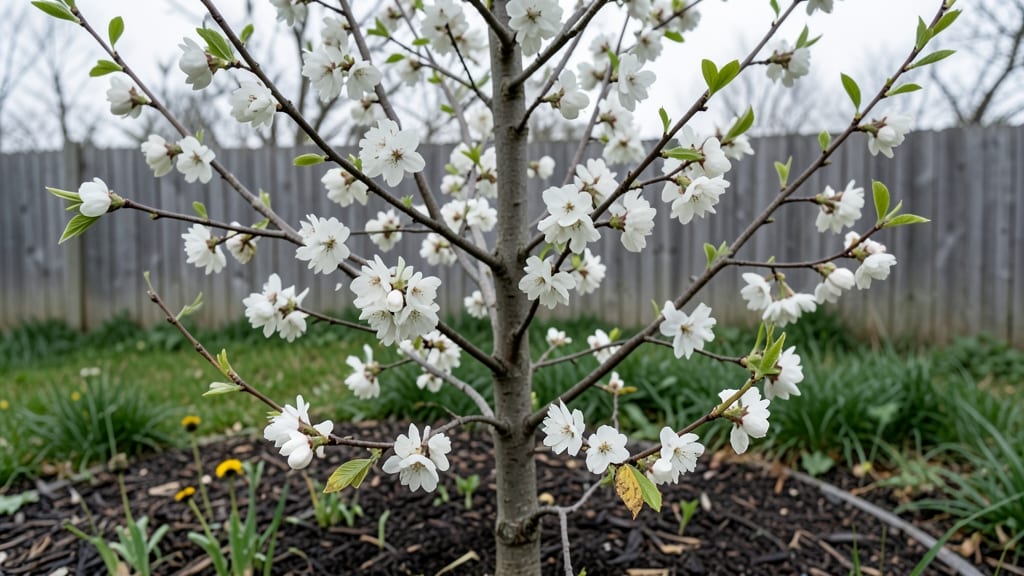
A pink and white flowering tree transforms any landscape into a romantic, timeless masterpiece. 🌸 These trees aren’t just seasonal eye-catchers—they offer fragrant blooms, striking foliage, and even winter interest, making them the backbone of a cohesive garden design.
The right choice depends on your climate, space, and whether you want early spring drama or summer-long color.
Popular options like cherry blossoms (Prunus serrulata) burst with delicate pinks in early spring, while dogwoods (Cornus florida) deliver bold white bracts alongside deep green leaves. Magnolias (Magnolia stellata) bring glossy foliage and fragrant blossoms that perfume the air.
Each thrives in different zones—cherry blossoms in cooler climates, dogwoods in humid regions, and magnolias in well-drained soil with partial shade.
Strategic placement maximizes their impact: position them near patios for shade and fragrance, or as focal points in open lawns. Pair with purple clematis for color contrast or boxwoods for structured borders.
The goal is year-round interest—think red fall foliage on serviceberry or exfoliating bark on river birch for winter texture.
For a foolproof integration, start with a tree that matches your garden’s scale—dwarf magnolias for small yards, weeping cherries for dramatic height. Prune lightly to maintain shape, and mulch to preserve moisture. The result? A living centerpiece that evolves with the seasons, offering beauty without the fuss.
📚 In This Guide
- What you need
- Instructions
- Tips and common mistakes
- Wrapping up and next steps
What you need
- ● Pink & White Flowering Tree Sapling: 1 healthy, disease-free tree (e.g., Cercis canadensis ‘Alba’, Prunus serrulata ‘Kanzan’, or Lagerstroemia ‘Natchez’).
- ● Size: 1–3 ft tall (container-grown) or bare-root for transplanting.
- ● High-Quality Potting Soil: 50 lbs of well-draining, organic potting mix (or native soil amended with compost).
- ○ Optional: Perlite or sand (10–20%) for extra drainage.
- ● Fertilizer: Balanced, slow-release fertilizer (10-10-10 or 20-20-20, 1–2 lbs).
- ○ Optional: Organic options like bone meal or fish emulsion.
- ● Shovel or tree spade (for digging).
- ○ Garden gloves (1 pair) and knee pads (optional but helpful!).
- ● Watering can or hose with a gentle spray nozzle.
- ● Mulch (2–3 inches of shredded bark or wood chips, ~50 sq ft coverage).
- ○ Optional: Tree stakes & ties (if planting in windy areas).
- ● Sunlight: Confirm your planting spot gets full sun (6+ hours/day) or partial shade (depending on tree type).
- ● Season: Plant in early spring or fall for best root establishment.
- ● Space: Check mature tree width (e.g., 20–30 ft for crape myrtles) to avoid overcrowding.
Step-by-Step guide to planting a stunning pink-and-white flowering tree
Here’s how to create a breathtaking focal point with a fragrant, year-round canopy—no green thumb required.
🌱 Step 1: Select the Right Tree for Your Climate and Space
Pink and white flowering trees like Crabapple, Dogwood, or Magnolia thrive in different zones. I always check the USDA hardiness zone map first—planting outside these limits guarantees poor growth or early death. For example, Korean Dogwood handles zones 4-8, while Southern Magnolia prefers zones 7-10.
Next, measure your space. A mature tree’s spread matters—Crabapple trees can reach 20-30 feet wide, while Dwarf Flowering Cherries stay under 15 feet. Plant too close to structures, and roots will crack sidewalks or foundations. I like to leave at least 10 feet of clearance for medium-sized varieties.
🪴 Step 2: Prepare the Planting Hole and Amend the Soil
Dig a hole twice as wide as the root ball but no deeper—this prevents root suffocation. Loosen the sides with a shovel to encourage roots into surrounding soil. I always test the soil pH first; most flowering trees prefer 6.0-7.0. If your soil is too acidic, mix in 1-2 pounds of lime per hole.
For heavy clay soil, blend in 1-2 gallons of compost or organic matter into the native soil before backfilling. Avoid garden soil—it compacts and strangles roots. If planting in summer, water the hole deeply 24 hours ahead to reduce transplant shock.
☀️ Step 3: Plant at the Correct Depth and Stake for Support
Place the tree so the top of the root ball sits 1-2 inches above ground level. Burying too deep suffocates roots, while planting too high stresses the tree. Spread roots outward gently—never force them. Fill the hole halfway, then water deeply to settle soil around roots.
Stake only if needed—young trees in windy areas benefit from 2-3 stakes tied loosely with soft fabric strips. Never use wire, which can girdle the trunk as it grows. Backfill the rest of the hole, tamping soil lightly in layers. Finish with 2-3 inches of mulch, keeping it 6 inches away from the trunk to prevent rot.
💧 Step 4: Water Deeply and Establish a Care Routine
Water immediately after planting—10-15 gallons for mature trees, 5 gallons for smaller ones. The soil should be damp 12 inches deep. Over the next 2 weeks, water every 2-3 days until new growth appears. After that, water deeply once a week unless rainfall provides 1 inch of moisture.
Fertilize lightly in spring with ½ cup of 10-10-10 granular fertilizer spread over the root zone. Avoid high-nitrogen blends—they promote leafy growth at the expense of flowers. Prune dead branches in late winter, but never trim more than 25% of the canopy in one season.
⏰ Step 5: Monitor for Pests and Seasonal Adjustments
Watch for aphids or scale insects on new growth—spray with neem oil if you see sticky residue (honeydew). Japanese beetles love flowering trees; handpick them or use milky spore for long-term control. In winter, wrap young trunks with tree guard if temperatures dip below 10°F.
Here’s the thing—most flowering trees bloom best on mature wood. Avoid heavy pruning for 3-5 years to ensure robust flowering. You’ll see the payoff when spring arrives with fragrant pink and white blooms that last weeks.
Tips & tricks for perfect pink-and-white flowering tree planting
A few strategic moves will transform your tree from a simple planting into a stunning, long-lived landscape centerpiece.
Climate and Space Intelligence: I can't stress this enough—verify your zone before purchasing. Korean Dogwoods in zone 9? They'll struggle. Southern Magnolias in zone 5? They'll freeze. Use the USDA zone map as your first filter. And that 10-foot clearance? Measure twice. Roots spread wider than you think, and no one wants to deal with cracked foundations later.
Soil Preparation Secret: The 24-hour pre-watering tip in Step 2 is golden for summer plantings. That extra moisture reduces transplant shock dramatically. For heavy clay soil, mix in compost right in the hole—don't just dump it on top. Think of it like creating a custom root environment tailored to your tree's needs. I've seen trees twice as healthy when planted this way.
Planting Depth Precision: That 1-2 inch above ground level rule is non-negotiable. Too deep and roots suffocate; too high and the tree struggles to stabilize. Here's my trick: After placing the tree, use a level to check the trunk's angle—it should be perfectly vertical. A slight lean now means years of correcting growth later.
Watering Wisdom: Those 10-15 gallons for mature trees might seem like a lot, but remember—you're watering the entire root zone, not just the surface. The "12 inches deep" rule means you need to water until moisture reaches that depth. A soil probe or trowel test is your best friend here. And that weekly watering? It's better to water deeply once than lightly three times.
Pro Tips for Pink And White Flowering Tree
- A few strategic moves will transform your tree from a simple planting into a stunning, long-lived landscape centerpiece.
- Climate and Space Intelligence: I can't stress this enough—verify your zone before purchasing.
- Soil Preparation Secret: The 24-hour pre-watering tip in Step 2 is golden for summer plantings.
Frequently asked questions
Got questions about your pink and white flowering tree? You’re not alone!
Here are some of the most common queries—plus answers to help you care for your stunning new addition with confidence.
What’s the best time of year to plant a pink and white flowering tree?
The ideal window is early spring or fall when temperatures are mild (50–70°F). Avoid planting in extreme heat or cold—roots need time to establish before stress hits. If you’re in a warm climate, late winter works too. Just water deeply after planting to help it settle in!
How much sunlight does a pink and white flowering tree need daily?
Most varieties thrive in full sun (6+ hours/day), but some (like the Crabapple) tolerate partial shade. Check your tree’s tag for specifics! If blooms seem sparse, it might need more light. Pro tip: Morning sun + afternoon shade works well in hotter zones.
Why aren’t my tree’s flowers as vibrant as expected?
Dull blooms often signal nutrient deficiencies (try a balanced fertilizer in early spring) or over-pruning. Avoid trimming in late summer/fall—this cuts back next year’s flower buds! Also, check for pests (like aphids) or fungal issues (white powdery spots?). A light prune in late winter can encourage healthier growth.
Are pink and white flowering trees drought-tolerant?
It depends! Some (like the Japanese Snowbell) need consistent moisture, while others (e.g., Bradford Pear) handle dry spells better once established. Key rule: Water deeply 1–2 times/week for the first year, then taper off. Mulch helps retain moisture—just keep it 3 inches away from the trunk to avoid rot.
What’s a low-maintenance alternative with similar blooms?
If you want less fuss but still love pink/white flowers, try:
- Dogwood – Disease-resistant, stunning spring blooms, and no messy fruit.
- Serviceberry – Edible berries + fragrant flowers; tolerates shade.
- Magnolia ‘Ann’ – Creamy-pink blooms and zero pruning needed!
Wrapping up and next steps
Transforming your outdoor space with a pink and white flowering tree isn’t just about beauty—it’s about creating a fragrant, year-round haven that wows neighbors and welcomes wildlife.
Whether you’re drawn to the delicate blooms of a Crabapple or the bold charm of a Dogwood, these trees bring effortless elegance and seasonal interest to any landscape. 🌸
Ready to take the next step? Research your local climate and soil conditions to pick the perfect variety, then plant with confidence—your future garden will thank you! For extra inspiration, browse nurseries or consult arborists to find the ideal match for your space.