
How To
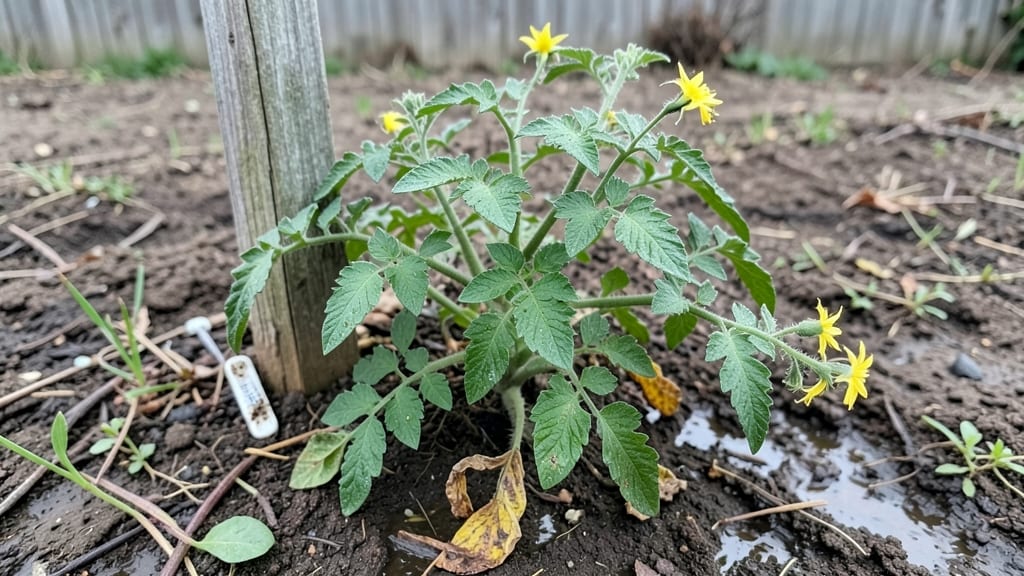
When tomatoes flower too early, your harvest season shrinks faster than a wilting leaf in July. 🌱 I’ve watched my plants bolt before they had a chance to set fruit—usually because they got tricked into thinking winter was over.
The good news? This is fixable with a few simple tweaks to light, heat, and even the varieties you choose.
Most early bloomers happen because your plants sense long days or warm soil too soon. If you’re in a warm climate or using a greenhouse, try shading plants or delaying transplanting until nighttime temperatures stay above 55°F.
For cooler zones, opt for late-blooming varieties like ‘Mountain Merit’ or ‘Celebrity,’ which wait for stable warmth before flowering.
You can also prune off early flowers to redirect energy into leaf growth—think of it as telling your plant, “Not yet, we’re saving up for the big harvest.” Within a few weeks, you’ll see stronger stems and more fruit later in the season.
The key is patience; let those plants bulk up before they start setting fruit.
This works for both in-ground and container tomatoes, though container plants may need extra attention to soil temperature. Once you master the timing, you’ll avoid the heartbreak of tiny green tomatoes turning red before they’re ripe. Here’s how to keep your plants on track!
Root Causes of Premature Blooms
Premature flowering in tomatoes isn’t just a random quirk of nature—it’s often a response to specific environmental or cultural cues. Understanding these triggers helps you adjust conditions to delay blooms and encourage stronger, more productive plants. Here’s why your tomatoes might be sending up flowers too soon:
Tomatoes are tropical plants, and they hate sudden temperature swings. When daytime highs dip below 50°F (10°C) or nighttime temps drop near 45°F (7°C), your plant’s survival instincts kick in. It perceives cold as a signal to reproduce now before frost kills it—even if it’s not fully mature.
- Short days + cool nights (common in spring or fall) trigger early flowering via photoperiod sensitivity.
Some heirloom varieties are especially prone to this. - Heat waves can also cause stress: If daytime temps soar above 90°F (32°C) for weeks, the plant may bolt (send up flowers) to escape the heat before it dies. - Solution: Use row covers or black plastic mulch to moderate soil temps.
For container growers, move pots to a sheltered spot.
Tomatoes are short-day plants, meaning they flower more readily when daylight hours shorten (like in late summer). But if your plant gets too much light too early, it can confuse its internal clock.
- Excessive sunlight (especially bright morning sun) can overstimulate the plant’s florigen hormone, which signals flowering. - Artificial grow lights left on for 16+ hours/day can trick the plant into thinking it’s summer, prompting early blooms. - Solution: If growing indoors or in a greenhouse, limit light to 12–14 hours/day until plants are sturdy.
Use shade cloth (30–50%) outdoors in peak sun.
When tomatoes are crammed too close together, they compete for nutrients, water, and light. This stress forces them to prioritize reproduction over growth.
- Root-bound pots or overpacked beds starve the plant, triggering a survival response.
- Fungal diseases (like early blight) thrive in humid, stagnant air, weakening the plant and accelerating flowering.
- Solution: Space plants 18–24 inches apart (or 1 plant per 1-gallon container). Prune lower leaves to improve airflow.
Tomatoes need balanced nutrients, but an overabundance of nitrogen (N)—the "leafy green" fertilizer—can backfire.
- High nitrogen promotes lush foliage but delays flowering initially.
However, if the plant outgrows its nutrient supply, it may suddenly shift to flowering mode to conserve energy. - Old or composted manure can release nitrogen too quickly, causing a "flush" that stresses the plant. - Solution: Switch to a low-nitrogen, high-phosphorus (P) fertilizer (like 5-10-10) once plants are 6–8 inches tall.
Avoid fresh manure—use aged compost instead.
Water stress—whether from drought or overwatering—can force early flowering.
- Underwatering causes the plant to conserve water by producing flowers (which require less moisture than leaves). - Overwatering (especially in cool weather) leads to root rot, which triggers a desperate reproductive response. - Solution: Water deeply 1–2 times per week (1–1.5 inches total).
Use drip irrigation to keep soil consistently moist but not soggy.
Some tomatoes are hardwired to flower early due to their genetics.
- Determinate varieties (like 'Roma' or 'Celebrity') naturally bolt after a set number of leaves, often flowering within 4–6 weeks of transplanting. - Heirlooms and cherry tomatoes (e.g., 'Sungold') may flower quickly if they sense maturity. - Solution: If you want delayed blooms, choose semi-determinate or indeterminate varieties (like 'Beefsteak' or 'Better Boy').
Start seeds indoors 6–8 weeks before last frost to give them a slower, controlled growth phase.
Hormonal disruptors or abrupt changes can also prompt early flowering.
- Ethylene gas (released by ripe fruit, smoking, or even nearby apples) can signal the plant to flower. - Transplant shock (from moving seedlings too soon) stresses the plant, causing it to flower prematurely. - Solution: Avoid placing tomato plants near ethylene-producing fruits (like bananas or avocados).
Harden off seedlings gradually before transplanting.
Not sure which cause applies? Check these signs:
| Symptom | Likely Cause | Fix It With |
|---|---|---|
| Small, weak plants | Overcrowding or poor nutrients | Thin plants, add balanced fertilizer |
| Yellowing lower leaves | Nitrogen deficiency or root rot | Switch to P-rich fertilizer, improve drainage |
| Flowers on 3rd leaf | Cool nights or short days | Use row covers, extend growing season |
| Wilting despite water | Overwatering or heat stress | Adjust watering, provide afternoon shade |
| Stunted growth | Transplant shock or ethylene exposure | Move to a new location, ventilate area |
Fixing Early Blooms Naturally
Early flowering in tomatoes can feel like a race against time, but with the right adjustments, you can guide your plants toward a more productive—and delicious—harvest. Below are targeted solutions based on the most common causes, along with preventive tips to keep your tomatoes on track for a bountiful season.
If your tomatoes bloomed too soon due to unexpected cold snaps or late planting, they may struggle to develop fruit properly. Cold stress can trick plants into flowering prematurely, only to drop blossoms later when temperatures rise.
How to Fix It
✅ 🔥 Prune Early Flowers – Snip off the first few flower clusters (about 6–8 inches from the base) to redirect energy into stronger root and stem growth.
This gives the plant time to harden off before producing fruit. ✅ 🌡️ Provide Temporary Warmth – Use row covers, cloches, or grow lights to maintain soil temps above 55°F (13°C) at night.
Cold soil slows nutrient uptake, weakening the plant. ✅ 💡 Adjust Planting Time – If possible, delay transplanting by 2–3 weeks. Wait until nighttime temps stay above 50°F (10°C) consistently.
🌱 Prevention Tip: Start seeds indoors 6–8 weeks before the last frost date to ensure seedlings are sturdy enough for outdoor conditions.
When tomato plants are too close together, they compete for sunlight and nutrients, leading to weak stems and early stress responses—including premature flowering.
How to Fix It ✅ 👨🍳 Thin or Transplant – Space plants 18–24 inches apart (for determinate varieties) or 24–36 inches apart (for indeterminate types).
If already planted too close, transplant the strongest seedlings to a new location. ✅ 🌬️ Improve Air Circulation – Use tomato cages, stakes, or trellises to keep plants upright.
Prune lower leaves to reduce humidity near the soil, which can encourage disease. ✅ 🍳 Fertilize Smartly – Switch to a low-nitrogen, high-phosphorus fertilizer (like 5-10-10) to boost flowering and fruiting without promoting excessive leafy growth.
🌱 Prevention Tip: Mulch heavily (with straw or grass clippings) to suppress weeds and retain moisture, reducing stress on crowded plants.
While tomatoes love sunlight, intense heat (above 90°F/32°C) can cause early flowering as a survival response, leading to small, poor-quality fruit or blossom drop.
How to Fix It
✅ 🌿 Provide Afternoon Shade – Use shade cloth (30–50%) during peak sun hours (11 AM–3 PM) to lower leaf temps without blocking all light. ✅ 💧 Deep Watering Schedule – Water deeply 1–2 times per week (early morning) to keep roots cool.
Shallow watering stresses plants and triggers early blooms. ✅ 🍳 Adjust Fertilizer – Reduce nitrogen (which promotes leaf growth) and switch to a potassium-rich fertilizer (like 0-10-10) to strengthen stems and improve heat tolerance.
🌱 Prevention Tip: Choose heat-tolerant varieties like ‘Solar Fire,’ ‘Heatmaster,’ or ‘Black Prince’ if you live in a hot climate.
Fluctuating moisture levels can shock tomato plants, causing them to bolt (flower early) as a survival mechanism.
How to Fix It
✅ 💧 Establish a Consistent Routine – Water at the base (not overhead) every 2–3 days (adjust for clay vs. sandy soil). Drip irrigation is ideal for steady moisture. ✅ 🌱 Mulch to Retain Moisture – Apply 2–3 inches of organic mulch (straw, wood chips) to lock in water and regulate soil temp. ✅ 🍳 Avoid Overhead Watering – Wet leaves increase disease risk (like early blight) and can disrupt pollination.
🌱 Prevention Tip: Use a moisture meter to check soil moisture—keep it between 40–60% humidity for optimal growth.
Excess nitrogen promotes lush foliage but delays flowering, but sudden nitrogen drops (from over-fertilizing or poor soil) can trigger early blooms as the plant panics.
How to Fix It
✅ 🍳 Switch to a Balanced Fertilizer – Use a 5-10-10 or 3-4-6 formula to encourage flowering without overfeeding leaves. ✅ 🌿 Add Compost or Worm Castings – Organic matter improves soil structure and slowly releases nutrients, preventing spikes and drops. ✅ 💡 Test Your Soil – A simple DIY soil test kit (or lab test) helps identify pH and nutrient deficiencies—tomatoes thrive in pH 6.0–6.8.
🌱 Prevention Tip: Side-dress with compost every 4–6 weeks to maintain steady nutrient levels without shocking the plant.
If your tomatoes are already flowering too early, try this emergency fix: 1. 🔪 Prune aggressively – Remove all but 3–4 main stems and cut back early flowers.
- 🌱 Boost roots – Mix mycorrhizal fungi (available at garden centers) into soil to improve nutrient uptake.
- 💧 Water deeply – Soak the root zone daily for 3–5 days to reduce stress.
- 🍳 Feed with phosphorus – Use bone meal or fish emulsion to encourage stronger blooms later.
Final Thought: 🌿 Patience is key! Even if your tomatoes flower early, proper care can still yield a great harvest—just adjust your expectations and focus on saving the best remaining blooms for fruit development.
With these fixes, your plants will recover and produce tomatoes that are larger, sweeter, and more abundant than ever!
Frequently asked questions
Why are my tomato plants flowering so early, even though they're still small?
Early flowering often happens when tomato plants sense environmental stress, like cool nights below 50°F (10°C) or inconsistent watering. Some varieties (especially heirlooms) are genetically prone to quick blooming, while others react to sudden temperature swings or overcrowding. Prune off the first flowers and focus on building stronger stems before letting them fruit.
Can I still get a good harvest if my tomatoes flowered too early?
While early blooms may produce small fruit, you can still maximize your yield. Remove the first few flowers to redirect energy to the plant’s roots and stems. Then, focus on keeping soil consistently moist, using a balanced fertilizer (like 5-10-10), and protecting plants from extreme heat or cold. The remaining blooms will develop into larger, healthier tomatoes.
What’s the best way to prevent early flowering next season?
Start by choosing indeterminate varieties like 'Beefsteak' or 'Better Boy,' which delay blooming longer. For cooler climates, use row covers or black plastic mulch to warm the soil. In hot areas, provide afternoon shade with 30–50% shade cloth. Also, space plants properly (18–24 inches apart) and avoid over-fertilizing with nitrogen early in the season.
Will pruning early flowers hurt my tomato plants?
Not at all—pruning early flowers actually helps your plants! By removing the first few clusters, you encourage stronger root and stem growth, which leads to bigger, healthier fruit later. Just be sure to leave some leaves near the pruning point to support photosynthesis. Focus on keeping the plant robust before letting it focus on fruiting.
Can I fix early flowering in container-grown tomatoes?
Yes, container tomatoes respond well to the same fixes as in-ground plants. Move pots to a sheltered spot if nighttime temps drop below 55°F (13°C), and use a self-watering system to maintain consistent moisture. Upgrade to a larger pot (at least 5 gallons) if roots are crowded, and switch to a phosphorus-rich fertilizer to encourage later blooms.