
Tools
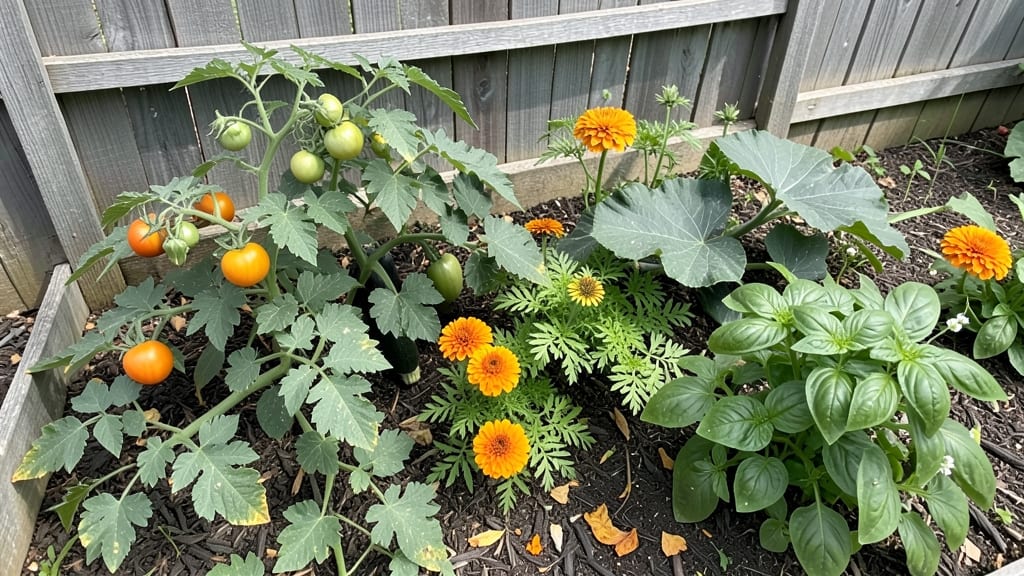
A flower and veggie garden isn't just possible—it's the secret to a harvest that keeps giving, year after year.
I learned this the hard way when my tomato plants wilted from stress, until I realized the marigolds beside them weren't just pretty; they were working overtime to repel pests and attract pollinators.
The results? More tomatoes, fewer pests, and flowers that never quit. The magic happens in how you arrange things. Start with your veggies as the backbone—tomatoes, peppers, and cucumbers—and weave in flowers like nasturtiums (they deter aphids) or borage (bees adore it).
Even in a 4x8-foot space, you can layer herbs, edible flowers, and veggies so nothing feels crowded. The key is vertical growth—trellises for cucumbers, stakes for beans—and letting flowers climb or spill over edges. What you end up with is a garden that’s both productive and stunning.
Imagine snipping fresh basil while bees buzz past lavender, or harvesting zucchini from a bed framed by sunflowers. The flowers don’t just look good—they work harder than any fertilizer, keeping your veggies healthy and your harvests consistently abundant.
This layout adapts to any size, from a balcony container garden to a full backyard. The only rule? Plant with purpose. Let’s turn your garden into a thriving ecosystem—one that feeds you and the pollinators that make it possible.
📚 In This Guide
- What you need
- Instructions
- Tips and common mistakes
- Wrapping up and next steps
What you need
- ● Garden Plot: 4’x8’ or larger (raised beds or in-ground), well-draining soil.
- ● Compost: 2–3 cubic feet per 100 sq. ft. (homemade or store-bought).
- ● Mulch: 2–3 inches (straw, wood chips, or shredded leaves).
- ● Seeds/Plants: Veggies: 10–20 plants/seeds (e.g., tomatoes, peppers, lettuce, carrots).
- ● Flowers: 15–30 plants/seeds (e.g., marigolds, sunflowers, lavender, borage).
- ● Watering System: Hose with adjustable nozzle or drip irrigation kit.
- ● Hand Tools: Trowel (for planting/seeding).
- ● Pruners (bypass or anvil type).
- ● Garden fork (for soil aeration).
- ● Gloves (durable, breathable fabric).
- ● Fertilizer: Organic (e.g., fish emulsion, compost tea, or balanced 10-10-10).
- ○ Pest Control (Optional but Helpful): Neem oil, row covers, or beneficial nematodes.
- ● Soil Test Kit: Check pH/nutrient levels (ideal: 6.0–7.0).
- ● Trellis/Stakes: For climbing plants (e.g., cucumbers, beans, morning glories).
- ● Pollinator Hotel: Mason bee house or native bee habitat.
- ● Label Stakes: Wooden or plant markers for organization.
- ● Wheelbarrow: For hauling soil, compost, or tools.
- ● Kneeling Pad: Comfort for long planting sessions!
Step-by-Step instructions for designing a pollinator-powered flower and veggie garden
Here’s how to create a thriving garden that boosts pollinators while maximizing your harvest.
Plan Your Layout for Pollinator Efficiency
Start by sketching a simple grid on paper, dividing your space into four equal sections—each will serve a distinct purpose in supporting pollinators and producing food. Place sun-loving vegetables like tomatoes, peppers, and squash in the south-facing half of your garden, where they’ll receive at least 6-8 hours of direct sunlight. These plants will attract bees and butterflies with their vibrant flowers, which are often their first food source.
In the remaining north-facing or shaded areas, dedicate space to native flowering plants like coneflowers, black-eyed Susans, and milkweed. These flowers provide nectar and pollen throughout the growing season, ensuring pollinators stick around long enough to service your vegetables. Avoid planting rows in a straight line—opt for curving beds or islands instead. This mimics natural landscapes and makes it easier for pollinators to navigate between plants.
Prepare the Soil for Pollinator-Friendly Growth
Before planting, loosen the soil to a depth of 12 inches using a broadfork or tiller. This ensures roots can penetrate deeply, which is especially important for heavy-feeding vegetables like corn and broccoli. Amend the soil with 2-3 inches of compost (work it into the top 6 inches), focusing on the vegetable sections first. Pollinators don’t need rich soil, but your edibles will thrive with the extra nutrients.
For the flowering sections, mix in 1 inch of sand or perlite to improve drainage. Pollinator plants often struggle in waterlogged soil, and poor drainage can invite fungal diseases that may spread to your vegetables. Test the soil’s pH—most vegetables prefer a slightly acidic to neutral range (6.0-7.0), while many native flowers thrive in slightly alkaline conditions (7.0-8.0). Adjust with lime or sulfur if needed, but aim for consistency within each section.
Plant Vegetables and Flowers in Strategic Pairs
Begin by planting your vegetable crops in the designated south-facing beds, spacing them according to their mature size. For example, place tomato plants 2 feet apart, peppers 18 inches apart, and squash 3 feet apart to allow room for vines and leaves. After planting, add a 1-inch layer of mulch (like straw or wood chips) around each plant to retain moisture and suppress weeds—critical for pollinator-friendly gardens, where bare soil can attract pests.
Now, intersperse flowering companion plants between your vegetables. For instance, plant basil near tomatoes to repel pests and attract bees, or tuck marigolds between rows of carrots to deter aphids. In the remaining beds, sow pollinator magnet flowers like bee balm, lavender, and cosmos in clusters rather than single rows. This creates "nectar hotspots" that pollinators can easily find and remember, increasing their efficiency in your garden.
Maintain Water and Pollinator Access
Water deeply once a week during dry spells, aiming for 1-1.5 inches of water per week, delivered at the base of plants. Avoid overhead watering, which can wash away pollen and deter pollinators. Instead, use soaker hoses or drip irrigation to keep foliage dry. Early morning is the best time to water—this allows plants to dry out during the day, reducing the risk of fungal diseases that can harm both flowers and vegetables.
To further support pollinators, add a small water source like a shallow dish filled with pebbles and water. Place it near the garden but away from high-traffic areas, so bees and butterflies can drink without risking drowning. Avoid pesticides entirely—even "organic" sprays can harm pollinators. Instead, handpick pests or use physical barriers like row covers for young plants. Healthy soil and diverse plantings will naturally deter most garden pests.
Monitor and Adjust for Continuous Pollinator Support
Check your garden weekly for signs of pollinator activity. Look for bees buzzing between flowers, butterflies nectaring on blooms, and hummingbirds hovering near tubular flowers like petunias. If you notice a drop in activity, add more late-season flowers like asters or goldenrod in early summer to extend the nectar supply. Pollinators are most active in warm, sunny weather (above 55°F), so provide shade cloth during heatwaves to prevent stress.
As your vegetables produce, prune spent flowers from plants like tomatoes and peppers to redirect energy to fruit development. However, leave some flowers on basil, cilantro, and other herbs to attract pollinators—even small contributions help. By late summer, begin planting fall-blooming flowers like salvia or sedum to keep pollinators fed until frost. This ensures they’ll return next season, ready to boost your harvest again.
Tips & tricks for perfect pollinator-powered flower and veggie gardens
A few strategic adjustments can transform your garden from good to exceptional—here's how to maximize both beauty and bounty.
Sunlight Strategy: In Step 1, when dividing your garden into four sections, prioritize the south-facing area for sun-loving vegetables like tomatoes and peppers. These plants need that full 6-8 hours of direct sunlight to thrive and produce abundant blooms that attract pollinators. I've found that even a 1-hour difference in sunlight exposure can significantly reduce fruit set in vegetables. Consider using a sun calculator app to map your garden's sunlight patterns throughout the day—this helps identify microclimates where you might need to adjust plant placement.
Soil Science: The 12-inch soil loosening in Step 2 is crucial, but don't stop there. After amending with compost, perform a simple "squeeze test" on the soil: grab a handful and squeeze tightly. If it holds its shape, it's too compact; if it crumbles, you're good. For flowering sections, that 1-inch sand addition is particularly important—it creates air pockets that prevent fungal diseases while maintaining moisture. I've seen pollinator plants wilt dramatically when planted in heavy clay soil without this amendment, despite receiving adequate water.
Companion Planting Precision: When implementing the strategic pairs in Step 3, pay special attention to the spacing measurements. The 2-foot tomato spacing might seem generous, but it prevents fungal diseases by improving airflow. For pollinator magnets like bee balm and lavender, cluster them in groups of 3-5 plants rather than single rows—this creates visual landmarks for pollinators. I've noticed bees and butterflies show clear preference for these clustered arrangements, likely because they mimic natural wildflower meadows.
Watering Wisdom: The once-weekly watering guideline in Step 4 works beautifully in most climates, but timing matters just as much as quantity. Water in the early morning when temperatures are below 55°F—this prevents evaporation and gives plants time to dry before evening. For containers or sandy soils, you might need to water every 4-5 days instead. I've seen pollinator activity drop dramatically when plants wilt from inconsistent watering, as stressed plants produce less nectar.
Pro Tips for Flower And Veggie Garden
- A few strategic adjustments can transform your garden from good to exceptional—here's how to maximize both beauty and bounty.
- Sunlight Strategy: In Step 1, when dividing your garden into four sections, prioritize the south-facing area for sun-loving vegetables like tomatoes and peppers.
- Soil Science: The 12-inch soil loosening in Step 2 is crucial, but don't stop there.
Frequently asked questions
Got questions about blending flowers and veggies in your garden? You’re not alone! Here are answers to the most common curiosities—so you can grow with confidence and style.
What’s the best way to arrange flowers and veggies together?
Plant flowers around (not under) your veggies to attract pollinators without shading crops. Use tall flowers (like sunflowers) at the back, mid-height veggies (tomatoes, peppers) in the middle, and low flowers (marigolds, nasturtiums) at the front. This creates a layered, pollinator-friendly oasis!
When is the ideal time to plant flowers for pollinators?
Start with early bloomers like bachelor’s buttons or calendula in spring, then add summer favorites (lavender, coneflowers) as veggies mature. Fall-blooming asters or goldenrod extend the season. Aim for non-stop blooms from spring to frost—pollinators will thank you with better harvests!
Can I grow a pollinator garden on a budget?
Skip expensive hybrids—opt for native wildflowers (like milkweed or clover) from seed packets ($2–$5). Repurpose containers (old buckets, tires) for compact spaces. Even “weeds” (dandelions, clover) are pollinator magnets. Pro tip: Save seeds from your best bloomers for next year!
Will flowers attract pests that harm my veggies?
Not if you choose the right companions! Marigolds repel nematodes, basil deters flies, and nasturtiums lure aphids away from tomatoes. Avoid strong-smelling herbs (like mint) near veggies—they can stifle growth. Balance is key: 1–2 pest-repelling flowers per veggie patch works wonders!
How do I keep flowers blooming all season?
Deadhead spent blooms (snip off dead flowers) to encourage new growth. Water deeply 1–2 times/week (flowers hate soggy roots!). Use slow-release fertilizer or compost in spring, and mulch to retain moisture. Bonus: Succession plant short-lived flowers (like zinnias) every 4–6 weeks for continuous color!
What if my garden space is tiny?
No problem! Grow vertical gardens with trellised flowers (morning glories, clematis) near climbing veggies (beans, cucumbers). Use window boxes for herbs + edible flowers (like pansies or violets). Even a 5-gallon bucket can hold a pollinator-friendly combo of basil + marigolds!
Wrapping up and next steps
Creating a flower and veggie garden that thrives with pollinators isn’t just rewarding—it’s a celebration of nature’s harmony! 🌸 By blending vibrant blooms with edible crops, you’ve set the stage for a bountiful harvest while supporting bees, butterflies, and other essential pollinators.
The key? Thoughtful planning, the right tools, and a little patience.
Now that you’re armed with knowledge, it’s time to roll up those sleeves and get growing! Start small—even a single raised bed or container garden can make a difference. Next up: sketch your layout, gather your supplies, and watch your garden transform into a buzzing, blooming paradise. Happy gardening! 🌱✨