Pests
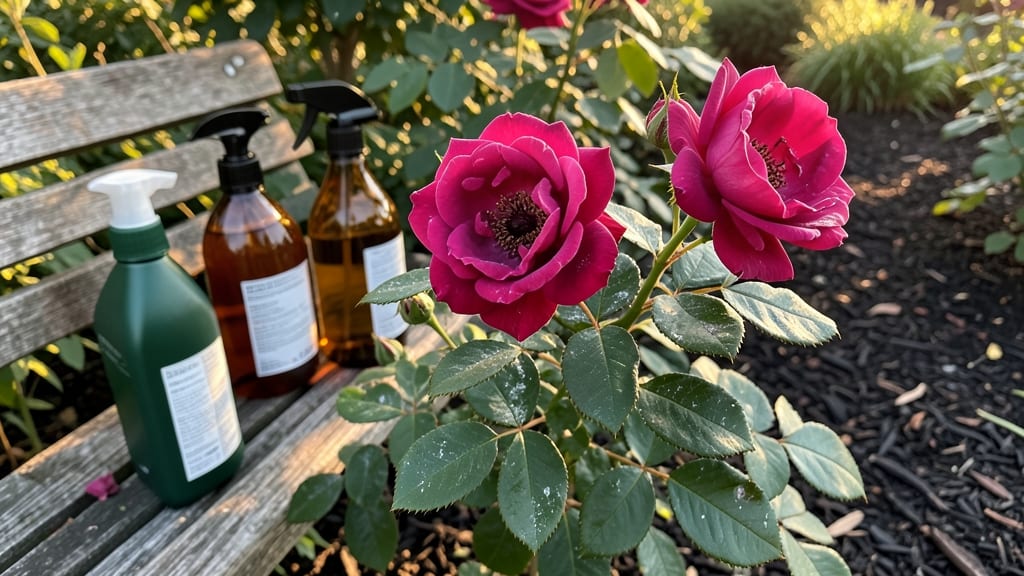
Natural sprays for flower pest control saved my prize-winning roses last summer—no toxic chemicals, just targeted solutions that actually work. 🌿 The key is acting fast when you spot the first tiny holes in leaves or sticky residue on blooms, because once pests take over, even the strongest remedies struggle to catch up.
Most gardeners reach for harsh sprays first, but I’ve found the real game-changers are simple, kitchen-friendly mixes that disrupt pests without harming bees or your soil.
Think neem oil for soft-bodied insects, garlic spray for fungal issues, or a soapy water blast for aphids—each targets specific problems without the collateral damage of commercial pesticides.
You’ll see results within days: fewer chewed petals, no more webbing between leaves, and blooms that stay vibrant longer. The best part? These sprays are safe to use right up until harvest (if you’re growing edibles nearby) and won’t leave behind chemical residues that could harm curious pets or kids.
Works for everything from roses and hydrangeas to veggie gardens—just match the spray to the pest. Let’s get your flowers thriving again without the guesswork.
Root Causes Of Garden Invaders
Flower pests don’t just appear out of nowhere—they’re drawn to your garden by specific conditions that make it an all-you-can-eat buffet. Understanding these triggers is the first step to outsmarting them naturally. Here’s why your blooms become a pest magnet, broken down by the real culprits.
When flowers and foliage grow too close together, they create the perfect hiding spot and breeding ground for pests like aphids, spider mites, and whiteflies. Why? Dense vegetation traps moisture, blocks airflow, and provides shelter for insects to lay eggs and thrive undisturbed.
- Poor air circulation: Stagnant air encourages fungal growth (like powdery mildew), which weakens plants and makes them more susceptible to pests.
- High humidity: Moisture-loving pests (e.g., slugs, snails) flourish in damp, shaded areas under crowded plants.
- Stress signals: Stressed plants emit volatile organic compounds (VOCs) that attract predatory insects looking for an easy meal.
Actionable fix: Prune regularly to improve airflow, space plants according to their mature size, and avoid overwatering.
Healthy plants have natural defenses—sticky sap, strong cell walls, and even scent-based repellents—but when they’re compromised, pests move in like squatters. Common triggers:
- Nutrient deficiencies: Lack of nitrogen, phosphorus, or micronutrients (like magnesium) weakens structural integrity, making plants easier targets.
- Water stress: Both overwatering and drought stress disrupt a plant’s ability to produce defensive compounds (e.g., glucosinolates in brassicas).
- Disease pressure: Fungal or bacterial infections (e.g., black spot on roses) create entry points for pests like Japanese beetles.
- Improper pruning: Over-pruning removes protective foliage, exposing tender new growth to chewing insects.
💡 Pro Tip: Conduct a soil test to check pH and nutrient levels—aim for a balanced diet (e.g., compost tea or fish emulsion) to bolster plant resilience.
Synthetic pesticides and fertilizers may kill pests on contact, but they also destroy beneficial insects (like ladybugs and lacewings) and disrupt soil microbiomes. The domino effect:
- Loss of natural predators: Pesticides wipe out pollinators and pest-eating bugs, leaving your plants vulnerable to outbreaks.
- Soil toxicity: Chemical residues alter soil pH and microbial balance, reducing plant vigor and making them more attractive to pests.
- Pest resistance: Over time, pests evolve to resist synthetic treatments, leading to worse infestations.
Actionable fix: Transition to organic amendments (e.g., neem cake, compost) and introduce companion plants (like marigolds or basil) to lure pests away.
Pests don’t follow a calendar—they respond to environmental cues. Here’s how seasons and weather patterns invite infestations:
| Season/Event | Pest Attraction Factor | Example Pests |
|---|---|---|
| Spring warmth | Rapid new growth signals abundant food for sap-suckers. | Aphids, leafhoppers |
| Summer drought | Stressed plants produce more sugars in leaves, attracting nectar-loving insects. | Whiteflies, beetles |
| Fall leaf litter | Decaying organic matter provides shelter and food for overwintering pests. | Slugs, cutworms |
| Monsoon humidity | Excess moisture promotes fungal growth and soft-bodied insect survival. | Spider mites, fungal gnats |
🌡️ Climate Hack: Use mulch strategically—organic mulch (like straw) in summer retains moisture, while gravel mulch in winter deters slugs and encourages beneficial insects.
Even well-meaning gardening practices can inadvertently invite pests. Common mistakes include:
- Ignoring debris: Leaving fallen petals, dead leaves, or plant clippings creates hiding spots for eggs and larvae.
- Over-fertilizing with nitrogen: Lush, soft new growth is a buffet for chewing insects like cabbage worms.
- Monoculture planting: Growing the same plant species in large blocks (e.g., a sea of roses) attracts specialized pests.
- Skipping pest scouting: Waiting until damage is visible means the infestation is already established.
✨ Prevention Tip: Adopt a diverse, rotating plant schedule and inspect new plants for hitchhiking pests before adding them to your garden.
Practical fixes for common flower pests
When pests invade your garden, it’s time to act—but not with harsh chemicals that can harm your blooms or the environment. The good news? Most garden pests have natural solutions that are effective, easy to use, and safe for your plants. Below, we’ll tackle the most common culprits and show you how to outsmart, not outspray them.
Cause: These sap-sucking insects cluster on new growth, leaves, and buds, leaving behind sticky honeydew that attracts mold. Fix:
1. Blast Them Away (💦)
- Use a strong stream of water from your hose to knock aphids off plants. Repeat every few days until they’re gone.
- Pro tip: Do this in the early morning so plants dry quickly and avoid fungal issues.
2. Introduce Beneficial Bugs (🐞)
- Ladybugs, lacewings, and parasitic wasps are aphid predators. Buy them online or attract them with nectar-rich flowers like dill, fennel, or marigolds.
- Pro tip: Release them in the evening when temperatures are cooler—they’re less stressed and more likely to stick around.
3. Homemade Soap Spray (🧼)
Mix 1 tbsp mild liquid soap (like Castile) + 1 quart water in a spray bottle. Test on a small leaf first, then spray aphids directly. Reapply every 3–4 days.
Prevention:
- Avoid over-fertilizing with nitrogen—aphids love lush, soft growth.
- Encourage airflow by pruning crowded plants.
- Plant garlic, chives, or thyme nearby; their strong scent repels aphids.
Cause: These tiny, winged pests hide on the undersides of leaves, sucking sap and leaving a white, fuzzy residue. Fix:
1. Yellow Sticky Traps (🎯)
- Hang yellow sticky cards near infested plants. Whiteflies are drawn to the color and get trapped.
- Pro tip: Place traps above the plants to catch adults before they lay eggs.
2. Neem Oil Spray (🌿)
Mix 1 tbsp neem oil + 1 tsp mild soap + 1 quart water. Spray undersides of leaves in the evening (neem oil can burn leaves in direct sunlight). Repeat every 5–7 days.
3. DIY Kaolin Clay Spray (🏋️)
Combine 1 tbsp kaolin clay + 1 tsp soap + 1 quart water. This creates a protective film that repels whiteflies. Reapply after rain.
Prevention:
- Inspect new plants before bringing them indoors or into your garden.
- Avoid overwatering—whiteflies thrive in damp, humid conditions.
- Use reflective mulch (like aluminum foil) around plants to disorient them.
Cause: These slimy pests leave irregular holes in leaves and flowers, especially in damp, shaded areas. Fix:
1. Beer Traps (🍺)
- Bury a shallow container (like a yogurt cup) filled with beer near plants. Slugs are attracted to the yeast and drown.
- Pro tip: Refresh the beer every 2–3 days for maximum effectiveness.
2. Copper Barriers (⚡)
- Wrap copper tape around pots or create a ring around garden beds. Slugs get a mild electric shock when they touch it.
- Pro tip: Bend the copper slightly outward to create a higher barrier.
3. Eggshells or Diatomaceous Earth (🐌)
- Crush eggshells into sharp pieces and sprinkle around plants. The texture irritates slugs’ bodies.
- Or use food-grade diatomaceous earth—it’s non-toxic but deadly to slugs. Reapply after rain.
Prevention:
- Water plants in the morning so soil dries by evening (slugs are nocturnal).
- Remove hiding spots like thick mulch, boards, or debris.
- Plant geraniums, thyme, or lavender—their scent deters slugs.
Cause: These microscopic pests spin webs on leaves, causing stippling and yellowing. They thrive in dry, hot conditions. Fix:
1. Increase Humidity (💧)
- Spider mites hate humidity. Mist plants daily or use a hose-end spray nozzle to rinse them off.
- Pro tip: Place a tray of water near plants to boost local humidity.
2. Neem Oil or Horticultural Oil (🌿)
Spray plants with a neem oil solution (2 tbsp oil + 1 tsp soap + 1 quart water) every 5–7 days. Focus on undersides of leaves where mites hide.
3. Predatory Mites (🕷️)
- Release phytoseiulus persimilis mites, which feed on spider mites. They’re easy to find online.
- Pro tip: Apply them in the evening to reduce stress from sunlight.
Prevention:
- Avoid over-fertilizing—mites love stressed plants.
- Keep your garden clean; remove fallen leaves where mites hide.
- Use mulch to retain soil moisture and deter mites.
Remember: Consistency is key! Most natural remedies take 1–2 weeks to show results. Monitor your plants regularly, and don’t hesitate to combine methods for tough infestations.
Frequently asked questions
Can I use coffee grounds for flower pest control?
Yes! Coffee grounds repel many common pests like slugs, ants, and aphids due to their strong scent. Sprinkle used grounds around plant bases or mix them into compost. For ants, create a barrier directly in their paths. Just avoid overapplying—too much can acidify soil.
How often should I apply natural sprays like neem oil?
For most pests, apply neem oil every 5-7 days until the problem clears. Always use it in the evening to prevent leaf burn from sunlight. Mix 1 tablespoon neem oil + 1 teaspoon mild soap + 1 quart water for best results. Stop applying once pests disappear for 2 weeks.
Will these natural methods work on severe infestations?
For heavy pest problems, combine methods: use neem oil sprays during the day and introduce beneficial insects like ladybugs at dusk. Severe cases may require 2-3 weeks of consistent treatment. If pests persist after 4 weeks, consider consulting a local organic gardening expert.
Are these sprays safe for pollinators like bees?
Yes, when used correctly. Avoid spraying flowers directly when bees are active (early morning or late evening is safest). Neem oil and soap sprays are bee-safe when properly diluted. Always test sprays on a small area first and rinse off any residual spray before bees visit.
Can I make these sprays ahead of time and store them?
Most sprays should be used fresh, but you can prepare neem oil mixes 1-2 days in advance and store them in a cool, dark place. Soap sprays last only 24 hours—mix fresh each time. Always shake well before use, as ingredients may separate. Never store sprays with added essential oils longer than 48 hours.