
Vegetables
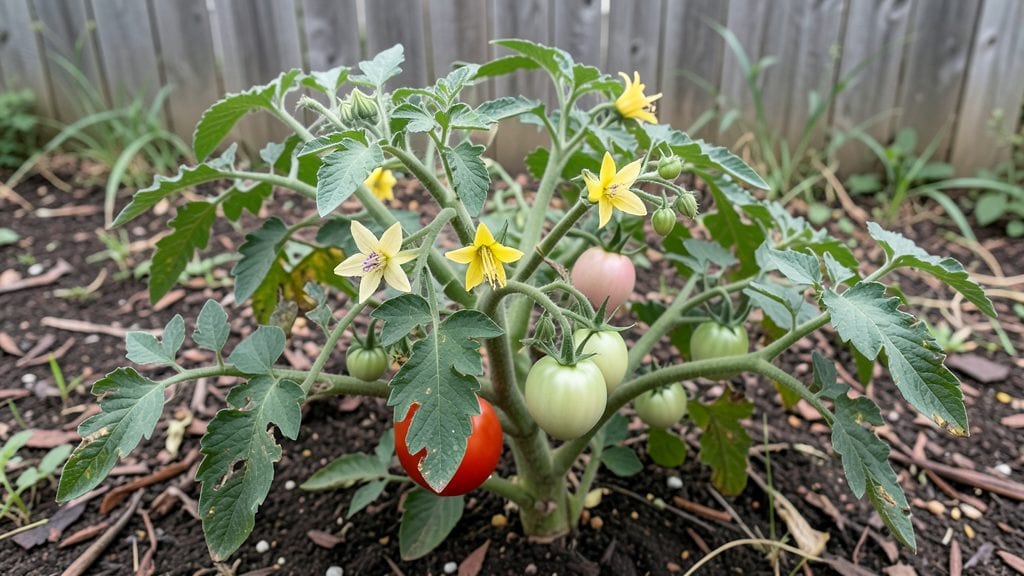
Understanding tomato flower to fruit stages turns guesswork into a predictable harvest. 🌱 I’ve watched my first tomato blossoms turn into fruit—and learned the subtle cues that make the difference between a full basket and a few stragglers.
The process starts with a tiny flower and ends with a ripe tomato, but what happens in between is where most gardeners trip up.
The first stage is pollination, where flowers open and either bees or wind transfer pollen. Without this step, flowers drop off before setting fruit. Indoor or greenhouse growers often need to hand-pollinate with a small brush or by gently shaking plants.
Once pollinated, the flower’s petals fall, and a tiny green fruit begins forming—this is where consistent watering and balanced nutrients keep things moving forward.
By day 10-14, you’ll see the fruit swelling into a marble-sized tomato. This is when proper pruning and staking become critical to prevent disease and support growth.
A healthy plant will produce fruit every 7-10 days after the first set, but temperature swings or uneven watering can cause blossom drop—where flowers abort before fruiting.
With the right care, you’ll go from first bloom to harvest-ready tomatoes in about 60-70 days, depending on variety. The key is paying attention to the plant’s signals—drooping leaves, slow growth, or uneven fruit development—and adjusting water, light, or nutrients before problems escalate.
Let’s break down each stage so you can troubleshoot like a pro.
📚 In This Guide
- What you need
- Instructions
- Tips and common mistakes
- Wrapping up and next steps
What you need
- ● Tomato plants: 1–3 healthy tomato plants (determinate or indeterminate varieties, e.g., Roma, Cherry, or Beefsteak)
- ● Age: 6–8 weeks old (transplanted after last frost)
- ● Growing medium: 5–10 gallons of well-draining potting mix (or garden soil amended with compost)
- ○ Optional: Container (5+ gallon size for each plant, with drainage holes)
- ● Fertilizer: Balanced 10-10-10 or 5-10-10 fertilizer (follow package rates for flowering/fruiting stage)
- ● OR organic options like compost tea, fish emulsion, or worm castings
- ● Watering supplies: Watering can or drip irrigation system (avoid overhead watering to prevent disease)
- ○ Pollination aids (optional but helpful): Small paintbrush or soft makeup brush
- ● Handheld electric toothbrush (for gentle vibration)
- ● OR bees or other pollinators (encourage with nearby flowers!)
- ● Sunlight: 6–8+ hours of direct sunlight daily (tomatoes are sun-worshippers!)
- ● Temperature: Daytime: 70–85°F (21–29°C)
- ● Nighttime: Above 55°F (13°C) (cold snaps can halt pollination)
- ● Humidity: Moderate (40–60% ideal; high humidity may promote disease)
- ● 🌱 Prune suckers (side shoots) to redirect energy to fruit development.
- ● 💧 Water deeply at the base (1–1.5 inches per week) to avoid blossom-end rot.
- ● 🐝 Hand-pollinate if indoors or in low-pollinator areas (gently brush flowers daily).
Step-by-step guide to identifying tomato flower to fruit development
Watch your tomato plants transform blossoms into fruit with this clear breakdown of each stage.
🌱 Step 1: Recognize the Pollination Process
The journey begins when a tomato flower opens fully, revealing its yellow center. This is your cue that pollination can occur naturally through wind, bees, or careful hand-pollination. On cloudy days or in enclosed spaces, I gently shake the plant or use a small paintbrush to transfer pollen from one flower to another.
You'll know pollination worked when the flower's petals begin to yellow and drop within 24-48 hours. The ovary at the base will start swelling slightly—this is the first sign fruit development has begun. If flowers fall without swelling, either pollination failed or the plant lacks nutrients.
💧 Step 2: Identify the Fruit Set Stage
About 3-5 days after successful pollination, the flower wilts and detaches, leaving behind a tiny green fruit no bigger than a pea. This is the "set" stage, where the tomato's cells begin rapid division. At this point, I always check for even fruit distribution—uneven sets suggest poor pollination or environmental stress.
Watch for small bumps forming along the fruit's sides. These will develop into the tomato's characteristic ridges. If fruits remain tiny and fail to grow, the plant may need more phosphorus (try a balanced 10-10-10 fertilizer) or better humidity (mist leaves lightly in dry climates).
☀️ Step 3: Monitor the Cell Division Phase
Within 7-10 days of fruit set, the tomato will have grown to about 1 inch in diameter and will show clear ridge formation. This is when cell division accelerates—you'll notice the fruit firming up and developing its characteristic shape. I always check for uniform color at this stage; pale or blotchy fruits often indicate uneven sunlight.
This is also when you'll see the calyx (the leafy structure where the flower attached) begin to harden. The fruit's skin will develop a slight waxy sheen, signaling it's entering the rapid growth phase. If temperatures drop below 55°F, growth slows dramatically—consider moving potted plants to a warmer location or using a frost blanket at night.
⏰ Step 4: Track the Ripening Process
About 30-45 days after pollination, the tomato will reach its mature size but remain green. This is the mature green stage, where the fruit is fully grown but still hard. I test readiness by gently squeezing—it should yield slightly but not be mushy. The calyx will have fully hardened and turned brown.
Ripening begins when the fruit starts showing color changes (red, yellow, or purple depending on variety). You'll notice softening first at the blossom end, followed by the stem end. The skin will develop glossiness and the fruit will feel slightly heavier than before. If nights stay below 60°F, ripening slows—consider harvesting green and ripening indoors with a paper bag (which traps ethylene gas).
✂️ Step 5: Determine Harvest Readiness
The final stage arrives when the tomato reaches its full color and gives slightly when gently squeezed. The stem will pull away cleanly when you twist it—this is your signal to harvest. I always check for even color and firmness (overripe tomatoes get mealy). The calyx should be completely dry and crisp.
Harvest in the morning when temperatures are coolest to preserve flavor and texture. Store at room temperature for up to 3 days or refrigerate for longer storage. If you miss the perfect window, slightly underripe tomatoes will continue ripening indoors—just place them in a paper bag with a banana to speed up the process.
Tips & Tricks for perfect tomato flower to fruit development
Understanding these key moments will transform your tomato harvest from hit-or-miss to consistently delicious.
Pollination Timing: The 24-48 hour window after flowers open is critical for successful pollination. I've found that morning pollination works best because bees are most active then. If you're hand-pollinating on cloudy days, use a soft paintbrush to gently transfer pollen from flower to flower—don't press too hard or you might damage the delicate reproductive parts.
Environmental Watch: When monitoring the 7-10 day cell division phase, keep an eye on nighttime temperatures. Below 55°F and growth nearly stops—this is when I move my potted plants into an unheated garage or cover them with frost blankets. The waxy sheen on the fruit skin is your best indicator that growth is progressing normally during this stage.
Ripening Tricks: For tomatoes that aren't ripening outdoors due to cool nights below 60°F, try this indoor method: Place green tomatoes in a paper bag with a banana or apple. The ethylene gas from the fruit speeds up ripening—you'll see color changes within 3-5 days. Just check them daily to avoid over-ripening.
Harvest Cues: The morning harvest window is non-negotiable for flavor preservation. I always test ripeness by gently squeezing—it should feel firm but yield slightly at the blossom end. The stem should twist off cleanly, leaving no part of the stem attached to the fruit. This clean break means the tomato is at peak ripeness.
Pro Tips for Tomato Flower To Fruit Stages
- Understanding these key moments will transform your tomato harvest from hit-or-miss to consistently delicious.
- Pollination Timing: The 24-48 hour window after flowers open is critical for successful pollination.
- Environmental Watch: When monitoring the 7-10 day cell division phase, keep an eye on nighttime temperatures.
Frequently asked questions
Got questions about transforming tomato flowers into juicy, vine-ripened fruits? You’re not alone! Here are some of the most common queries—plus quick, actionable answers to keep your garden thriving.
Why aren’t my tomato flowers turning into fruit?
If your flowers drop off or fail to set fruit, it’s often due to poor pollination (especially in greenhouses), extreme heat (above 90°F/32°C), or lack of water/nutrients. Hand-pollinate with a small brush, provide shade cloth on hot days, and ensure consistent moisture. Learn more about troubleshooting here.
How long does it take for a tomato flower to become a fruit?
Most tomato varieties take 2–4 weeks from pollination to fruit set, but full ripening can take 45–85 days depending on the type (cherry tomatoes ripen faster than beefsteaks). Track your planting date and monitor for color changes—green to pink to red (or yellow/orange, depending on the variety).
Can I speed up the tomato ripening process?
While you can’t rush nature, you can optimize conditions! Place tomatoes in a warm, sunny spot (70–85°F/21–29°C), use a drop cloth to protect from cold nights, and harvest slightly green tomatoes to ripen indoors with a paper bag + banana trick (ethylene gas speeds ripening). Avoid over-fertilizing with nitrogen—it promotes leaves over fruit!
What if my tomato flowers keep falling off?
This is called flower drop, and it’s usually caused by stress. Check for:
- Heat stress: Provide afternoon shade if temps exceed 90°F (32°C).
- Water stress: Keep soil consistently moist (not soggy).
- Nutrient imbalance: Feed with a balanced fertilizer (10-10-10 or tomato-specific formula).
- Transplant shock: If recent, mulch heavily and avoid disturbing roots.
Can I save unripe tomatoes from dropping?
Yes! If a tomato starts ripening but falls off, pick it green and ripen it indoors. Place it in a paper bag with a banana or apple (ethylene producers) for 3–7 days. Store in a cool, dark place (like a pantry) until fully colored. For extra flavor, let it sit at room temp for 1–2 days after ripening.
Wrapping up and next steps
Understanding the tomato flower to fruit stages is your ticket to a bountiful harvest! From pollination to ripening, each step plays a crucial role in growing plump, flavorful tomatoes. By monitoring humidity, temperature, and hand-pollination when needed, you’re well on your way to garden success. 🌱
Now that you’re armed with knowledge, why not put it into action? Start by observing your tomato plants daily—look for blooms, tiny fruits, and signs of pests. Next, experiment with a few extra plants to refine your techniques or share your newfound expertise with fellow gardeners. Happy growing!