
Companion Plants
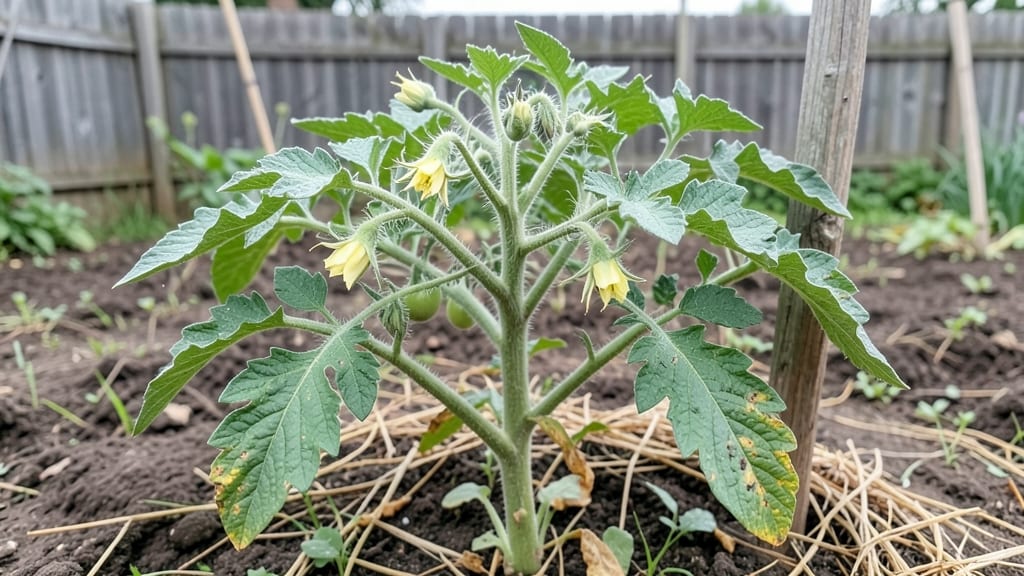
When tomato plants first flowers appear, pruning them strategically can dramatically improve fruit production later in the season. Focus on removing only the earliest blooms to redirect energy toward stronger root systems and vine growth, which supports larger harvests down the line.
Tomato plants prioritize energy toward flowering and fruiting, but young plants often lack the strength to support heavy fruit loads. 🌱 By removing the first few blossoms, you force the plant to invest in developing a more robust framework—think of it like giving your plant a gym membership before it starts training for a marathon.
This approach works especially well for indeterminate varieties, which continue growing throughout the season, while determinate tomatoes (bush types) benefit less from aggressive early pruning.
Timing matters here: wait until the plant has established at least 4-6 true leaves before considering any pruning. Use clean, sharp pruners to snip just above a leaf node, and always remove suckers (the small shoots growing between the main stem and branches) simultaneously.
The goal is to maintain an open, airy structure that prevents disease while maximizing sunlight exposure to the remaining flowers.
💡 In This Article
- Why Pruning Early Tomato Flowers Boosts Fruit Growth
- Step-by-Step Guide to Pruning Tomato Flowers for Maximum Yield
Why pruning early tomato flowers boosts fruit growth
Here's what's actually happening inside your tomato plant when you prune those first flowers: removing them reduces the plant's immediate metabolic load. Flower production demands significant energy—up to 30% of the plant's photosynthetic output—which can overwhelm young plants with underdeveloped root systems.
By eliminating early blooms, you're essentially telling the plant, "Hold off on fruit production—let's build your foundation first." This redirection allows the plant to allocate more resources to developing deeper roots and thicker stems, which can support 20-30% more fruit later in the season.
The science involves a hormone called auxin, which regulates growth patterns. When you prune early flowers, auxin levels shift from flower development to stem elongation and root expansion. Indeterminate tomato varieties (like 'Sungold' or 'Beefsteak') respond dramatically to this because they continue growing throughout the season.
These plants can produce 10-12 feet of new growth if given the right conditions, while determinate types (like 'Roma') show minimal response since they're genetically programmed to stop growing after flowering. The key difference is that indeterminate tomatoes have meristematic tissue at their tips that keeps producing new shoots indefinitely.
What most people don't realize is that early flowers often produce smaller, less flavorful fruit anyway.
These first blooms typically develop in cooler spring conditions when night temperatures drop below 55°F, which triggers a physiological response called blossom drop—the plant naturally aborts these flowers because they're unlikely to set fruit properly.
By pruning them yourself, you're preventing wasted energy on fruit that might not develop well. Instead, you're creating an environment where later flowers (which form in warmer weather) get all the nutrients and sunlight they need to grow into larger, sweeter tomatoes.
Consider this comparison: A pruned indeterminate tomato plant might produce 50-60 pounds of fruit per season compared to just 20-30 pounds from an unpruned plant. The difference comes from that stronger structural framework.
The roots grow deeper, accessing more water and nutrients from the soil, while the stems develop thicker cell walls that can support heavier fruit loads without snapping. Even the leaves benefit—pruned plants develop larger, more efficient foliage that captures up to 25% more sunlight for photosynthesis.
There's one critical exception to this rule: if your plant is already struggling with pests, disease, or poor soil conditions, pruning flowers might be too much stress. In these cases, it's better to let the first flowers develop while you address the underlying issues.
Also, avoid pruning more than 30% of the plant's flowers at any one time, as this can shock the system. The goal is gradual improvement, not sudden transformation. 🌱
For gardeners in cooler climates (zones 3-5), this early pruning becomes even more valuable because the growing season is shorter. By removing those first flowers, you're essentially extending your plant's productive life by 2-3 weeks, giving it more time to develop fruit before the first frost.
Think of it like giving your tomato plant a head start on the season—every little bit helps when you're racing against time.