
Pruning
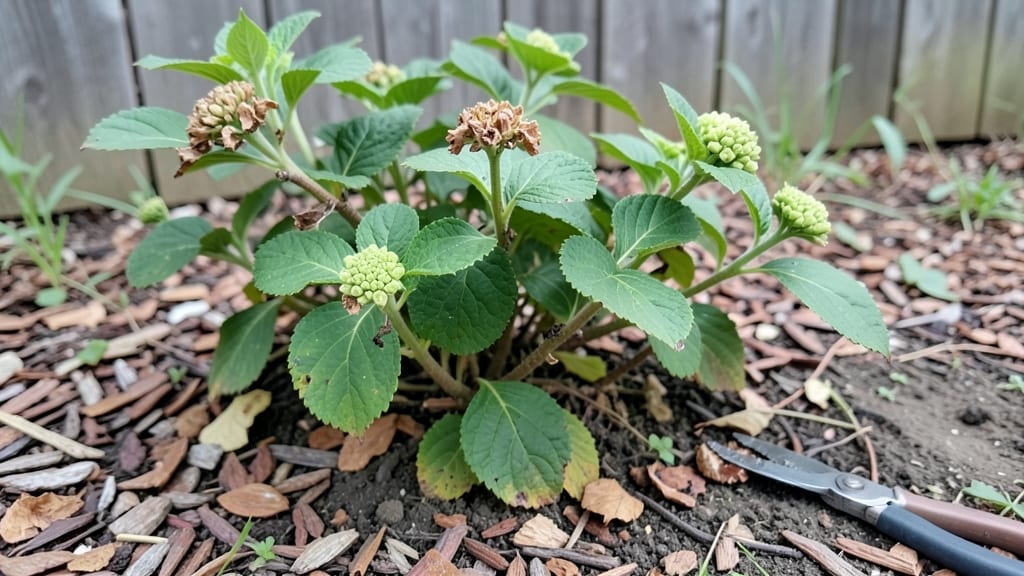
Pruning hydrangea flowers isn’t just about keeping them tidy—it’s how you unlock next year’s boldest blooms. 🌸 I’ve learned the hard way that cutting at the wrong time means sacrificing flowers, not shaping plants.
The secret lies in knowing when to trim based on your hydrangea type, whether it’s mophead, panicle, or oakleaf.
You’ll need just three things: sharp pruners, a pair of gloves, and a clear plan for timing. Most hydrangeas bloom on old wood, so pruning too late means fewer flowers next season.
But don’t panic—there’s a right window for every variety, and I’ll walk you through it step by step. This isn’t complicated; it’s just strategic.
By the end, your hydrangeas will burst with larger, fuller blooms and a shape that makes neighbors ask for your secrets. The key is patience—pruning now sets up a showstopping display in late summer. Let’s get those shears ready and turn overgrown bushes into garden stars.
Works for all hydrangea types, from classic mopheads to panicle varieties that love a little more aggressive shaping. Here’s how to do it without a single mistake (yes, I’ve made them all).
📚 In This Guide
- What you need
- Instructions
- Tips and common mistakes
- Wrapping up and next steps
What you need
- ● Bypass pruners – Sharp, clean, and sturdy (for smaller stems, 4-6 inches in diameter). Quantity: 1 pair.
- ● Loppers – Long-handled, for thicker branches (8-12 inches in diameter). Quantity: 1 pair.
- ● Hand pruners (felco or similar) – For precision cuts on smaller growth. Quantity: 1 pair.
- ● Garden gloves – Durable, cut-resistant (to protect hands from thorns and sap). Quantity: 1 pair.
- ● Disinfectant (rubbing alcohol or 10% bleach solution) – To sterilize tools between cuts. Quantity: Small bottle or spray.
- ● Sharpie or permanent marker – For marking branches if needed. Quantity: 1.
- ○ Garden twine or tape – Optional, for securing large branches temporarily. Quantity: Small roll.
- ● Wheelbarrow or bucket – For collecting pruned branches. Quantity: 1.
- ● Hydrangea growth regulator (e.g., Pacific Horticultural Oil) – For promoting healthier regrowth.
- ● Pruning saw – For very thick, woody stems (rare for most hydrangeas).
- ● Knee pads or stool – For comfort during extended pruning.
- ● Plant food (balanced fertilizer, 10-10-10) – To nourish hydrangeas post-pruning.
- ● Camera or phone – To document progress or take "before/after" shots!
How to prune hydrangeas for flourishing blooms
Strategic trimming keeps your hydrangeas lush and blooming season after season.
✂️ Step 1: Identify Your Hydrangea Type and Bloom Time
First, figure out which hydrangea you have—this determines when and how you prune. Bigleaf hydrangeas (Hydrangea macrophylla) bloom on old wood (last year's growth), so you prune right after flowering. Smooth hydrangeas (H. arborescens) and panicle hydrangeas (H. paniculata) bloom on new wood, so you prune in late winter or early spring. Look for flower buds in late winter: if they're already swollen, your plant blooms on old wood.
Here's the thing—pruning at the wrong time can mean no flowers that season. If you cut back old wood too early, you lose next year's blooms. I always check for buds in February to decide my timing. For bigleaf types, wait until after the first frost when flowers fade naturally.
✂️ Step 2: Gather Your Tools and Prepare the Plant
You'll need sharp, clean pruning shears (sterilize with rubbing alcohol between cuts) and a pair of gloves to protect your hands. Hydrangeas have sharp stems and can be prickly. On a clear day, inspect your plant for dead, crossing, or weak branches—these go first. Remove any branches that rub against each other, as they'll create wounds and invite disease.
Step back and look at the plant's shape. You're aiming for an open center that lets air and light reach the middle. I like to sketch a rough outline in my mind of how the plant will look after pruning—this keeps cuts intentional. Start with the obvious dead branches, then move to any that spoil the plant's natural form.
✂️ Step 3: Prune for Shape and Health
For old wood bloomers, cut back just above the first set of leaves where the flower buds form—this is usually where the stem thickens slightly. Never cut into the bud itself. For new wood bloomers, you can be more aggressive: cut back 1/3 of the plant's height to encourage fresh, vigorous growth. I always make cuts at a 45-degree angle about 1/4 inch above a leaf node to prevent water from pooling.
Watch for stems that grow inward—they'll crowd the center and block light. These get removed entirely. If a branch is too thick for your shears, use a handsaw instead. After each cut, wipe your shears clean to prevent spreading any potential diseases between branches.
✂️ Step 4: Clean Up and Fertilize
Once you're done pruning, gather all the clippings and dispose of them properly. Don't leave them on the ground—they can harbor pests and diseases. I like to shred larger stems and use them as mulch around the base of the plant. After pruning, apply a balanced fertilizer (like 10-10-10) to help the plant recover and encourage new growth.
Water deeply right after pruning to help the plant recover. You'll see new shoots emerge within 3-4 weeks for new wood bloomers, while old wood types will show next year's buds forming. This is your signal that the pruning worked. Keep an eye out for any signs of stress like wilting or yellowing leaves—these are your cues to adjust watering or check for pests.
🌿 Step 5: Maintain Year-Round Care
After the initial pruning, keep your hydrangeas healthy with regular care. In spring, apply a mulch layer 2-3 inches thick around the base to retain moisture and regulate soil temperature. Throughout the growing season, water deeply once a week (more in extreme heat) and watch for signs of stress like drooping leaves or curled edges.
I always check my hydrangeas in late summer for any spent blooms—these can be trimmed to encourage new growth. For bigleaf types, you can lightly shape the plant after flowering to maintain its form. The key is consistency: regular pruning and care keep your hydrangeas looking their best all year long.
Tips & tricks for pruning hydrangeas like a pro
Pruning hydrangeas can feel intimidating, but these key insights will help you avoid common mistakes and keep your plants thriving year after year.
Timing is Everything: I can't stress this enough—timing determines whether your hydrangeas bloom or not. For bigleaf types, always wait until after the first frost when flowers fade naturally. This ensures you don't accidentally remove next year's buds. For new wood bloomers, prune in late winter or early spring before buds swell. I mark my calendar with these dates to avoid mistakes.
The 45-Degree Cut Secret: When you make cuts in Step 3, that 45-degree angle about 1/4 inch above a leaf node isn't just a suggestion—it's crucial. This angle prevents water from pooling on the cut, which can lead to rot. I use my finger as a guide: if I can't see the angle clearly, I adjust until I can. For thicker branches, a handsaw makes cleaner cuts that heal better.
Visual Cues for Pruning Success: In Step 2, when you're deciding which branches to remove, look for these telltale signs: dead branches snap easily when bent, while healthy ones bend slightly. For crossing branches, imagine your plant as a vase—remove anything that would block the center. After pruning, new shoots should appear within 3-4 weeks for new wood types, signaling you've done it right. For old wood types, look for next year's buds forming in late winter.
Fertilizer Timing Matters: After pruning in Step 4, applying a balanced fertilizer like 10-10-10 is key, but don't overdo it. I use about 1/2 pound per 100 square feet of garden space. Too much fertilizer can burn the plant's roots, especially right after pruning. Water deeply after fertilizing to help distribute nutrients evenly through the soil.
Pro Tips for Prune Hydrangea Flowers
- Pruning hydrangeas can feel intimidating, but these key insights will help you avoid common mistakes and keep your plants thriving year after year.
- Timing is Everything: I can't stress this enough—timing determines whether your hydrangeas bloom or not.
- The 45-Degree Cut Secret: When you make cuts in Step 3, that 45-degree angle about 1/4 inch above a leaf node isn't just a suggestion—it's crucial.
Frequently asked questions
Got questions about pruning hydrangeas? You’re not alone! Here are answers to the most common concerns—so you can keep your blooms thriving without the guesswork.
When is the best time to prune hydrangeas?
The ideal time depends on your hydrangea type. For bigleaf (mophead) and smooth hydrangeas, prune in late winter or early spring (just before new growth starts). Panicle hydrangeas can be trimmed in late winter or summer after flowering. Oakleaf hydrangeas also prefer late winter pruning. Avoid pruning in fall—it removes next year’s blooms!
How do I know if I’ve pruned my hydrangeas too much?
Over-pruning usually means cutting back more than 1/3 of the plant or removing too many old wood stems (especially in bigleaf types). Signs include sparse blooms, leggy growth, or no flowers at all the next season. If you’ve gone overboard, don’t panic—just reduce pruning next year and focus on feeding the plant with balanced fertilizer.
Can I prune hydrangeas in summer?
Yes! Summer pruning is safe for panicle and oakleaf hydrangeas—just do it right after flowering to shape the plant and encourage new blooms. For bigleaf hydrangeas, avoid summer pruning unless removing dead or diseased wood, as it can reduce next year’s flower buds. Always use clean, sharp shears to prevent damage.
How do I prune hydrangeas for bigger, fuller blooms?
For larger, showier flowers, prune bigleaf hydrangeas to 3-5 strong stems in late winter, cutting just above a bud or leaf node. Remove weak, crossing, or overcrowded branches to improve airflow. For panicle hydrangeas, a harder cut (1/3 of the plant) in late winter promotes taller, fuller blooms. Deadhead spent flowers in summer to encourage reblooming!
My hydrangeas aren’t blooming after pruning—what went wrong?
No blooms often mean wrong pruning timing or technique. Bigleaf hydrangeas bloom on old wood, so never prune in fall or winter—wait until spring! If you cut back too late, you’ve removed next year’s buds. For panicle or reblooming types, check if you pruned too aggressively—they need some old stems for flowers. Fertilize in spring and ensure they get 6+ hours of sun.
Wrapping up and next steps
Pruning your hydrangeas isn’t just about keeping them tidy—it’s the secret to longer blooms, healthier plants, and year-round beauty! 🌸 By understanding when and how to trim (like deadheading spent flowers or shaping in late winter), you’ll encourage lush, vibrant growth.
Whether you’re a seasoned gardener or just starting, a little strategic snipping goes a long way.
Ready to transform your garden? Grab your pruners, dust off your gloves, and take the first step today. Start small—prune one bush this weekend—and watch your hydrangeas thrive like never before! 🌿✨