Shrubs
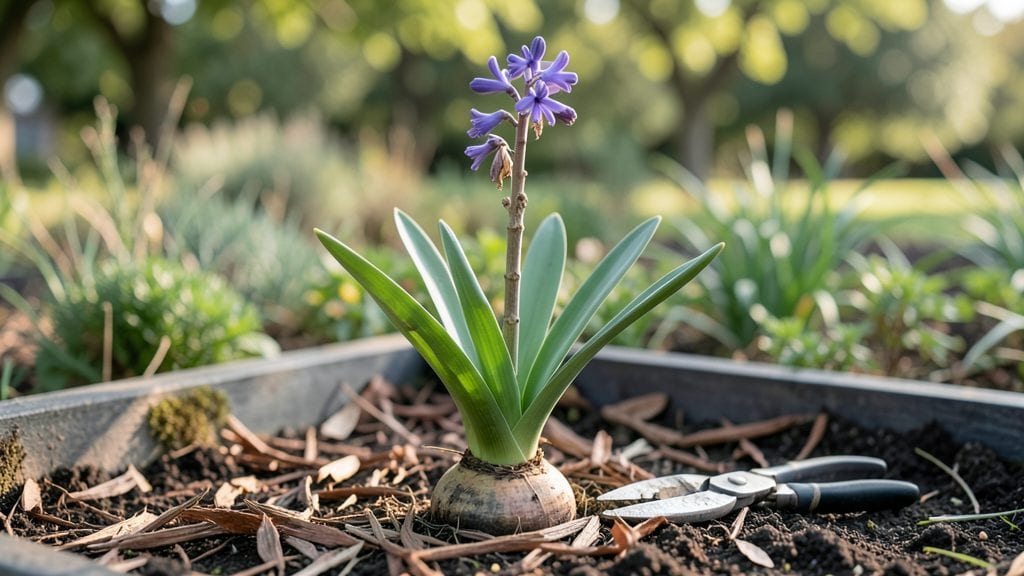
After hyacinths send up their shockingly fragrant purple, pink, or white spikes, most gardeners make one costly mistake: cutting the foliage too soon. 🌿 The secret to next year’s blooms lies in what you do after those flowers fade—because those green leaves are the plant’s grocery store, storing energy for the bulb’s winter nap and spring rebirth.
Here’s the deal: leave the leaves until they turn yellow and crispy, then trim them back by half. Feed the bulbs with a balanced fertilizer in early summer, and water just enough to keep the soil damp—not soggy.
If your climate gets cold, you’ve got two choices: dig up the bulbs after foliage dies back and store them dry, or leave them in the ground with a thick layer of mulch. Either way, you’re setting up next year’s show.
By fall, those bulbs will be packed with energy, ready to push up bold, vibrant blooms again. The key is patience—rushing the process means smaller flowers or no flowers at all.
Think of it like saving for a vacation: you’ve got to let those leaves do their job before you can enjoy the payoff.
Now, if you’re in a warm-winter zone, you might even get a second, smaller bloom cycle. But for most of us, the real magic happens when we give those bulbs the right care after the first show. Let’s get those hyacinths ready for their encore!
📚 In This Guide
- What you need
- Instructions
- Tips and common mistakes
- Wrapping up and next steps
What you need
- ● Pruning shears – Clean, sharp bypass pruners (avoid dull blades to prevent crushing stems).
- ● Garden gloves – Heavy-duty nitrile or leather gloves (hyacinth foliage can be sharp!).
- ○ Balanced fertilizer – 10-10-10 or 5-10-10 NPK ratio (about 1–2 tbsp per plant). Optional: Slow-release granules for convenience.
- ● Compost or well-aged manure – 1–2 cups per plant (for organic enrichment).
- ● Watering can or hose with a gentle nozzle – For deep hydration (avoid overhead sprinkling).
- ● Mulch – 1–2 inches of shredded bark, straw, or compost (retains moisture and regulates soil temp).
- ○ Plastic sheeting or tarp – Optional but helpful for covering plants if early frost threatens.
- ● Timing: Prune after foliage yellows naturally (typically 6–8 weeks post-bloom).
- ● Weather check: Wait for dry, mild days (humidity can spread fungal diseases).
- ○ Soil test: Optional but ideal—test pH (hyacinths thrive in 6.0–7.0). Adjust with lime or sulfur if needed.
- ● Pest patrol: Scan for aphids or spider mites (neem oil spray if found).
How to care for hyacinths after they bloom
Here’s the straightforward process to keep your hyacinths thriving year after year.
✂️ Step 1: Deadhead and Prune After Flowering
Once the blooms fade completely—when the petals turn brown and the flower stalk droops—snip off the spent blossoms with clean shears. Cut the stem back to just above the first set of leaves. This prevents the plant from wasting energy on seed production and redirects it toward next year’s growth.
Don’t rush this step. Wait until the foliage naturally turns yellow before pruning further. If you cut too early, you’ll weaken the bulb’s storage of nutrients for the next season. I always mark my calendar for 6-8 weeks after blooming to check for yellowing leaves before trimming.
🌿 Step 2: Let Foliage Mature Fully
Leave the yellowing leaves alone for 6-8 weeks after flowering. This is critical—the foliage photosynthesizes and stores energy in the bulb for next year’s blooms. If you remove leaves too soon, your hyacinths may skip flowering entirely or produce only weak stems.
Watch for the leaves to soften and flatten before cutting them back. When they’re crispy and brown, you can trim them down to 1-2 inches above the soil. This prevents disease and keeps the bulb dry over winter. I like to bundle the cut leaves and toss them in the compost pile—they’ll break down quickly.
💧 Step 3: Water and Fertilize for Bulb Strength
Reduce watering gradually after flowering—hyacinths need less moisture as the foliage matures. Water once a week until the leaves turn yellow, then taper off completely. Overwatering at this stage can rot the bulb or encourage fungal growth.
Apply a balanced, slow-release fertilizer (like 10-10-10) around the base of the plant 4-6 weeks after flowering. This gives the bulb a nutrient boost for next season. I sprinkle a tablespoon of fertilizer per plant and water it in lightly. Avoid high-nitrogen fertilizers—they promote leaf growth at the expense of flower development.
☀️ Step 4: Prepare for Dormancy and Next Year
Hyacinths enter dormancy naturally as the foliage dies back. Once the leaves are completely brown and crispy, stop watering entirely. This mimics their natural cycle and prevents rot. If your climate has frost, mulch the area lightly with 2-3 inches of straw or shredded leaves to protect the bulbs over winter.
In early spring, before new shoots appear, remove the mulch and add a thin layer of compost around the base. This replenishes nutrients without overfeeding. I always check for signs of pests or rot—if the bulbs look healthy, they’ll reward you with vibrant blooms again next year.
⏰ Step 5: Monitor and Adjust for Future Blooms
If your hyacinths produce fewer blooms or weaker stems, they may need more sunlight or better drainage. Most varieties thrive in full sun to partial shade—if yours is in deep shade, consider relocating them to a sunnier spot next year.
Every 3-4 years, dig up the bulbs, divide any clumps, and replant the largest, healthiest ones. This rejuvenates the plant and prevents overcrowding. I do this in late summer or early fall when the foliage is fully dormant. Store any extra bulbs in a cool, dry place until planting season.
Tips & tricks for perfect hyacinth care after blooming
Keeping your hyacinths thriving year after year doesn't have to be complicated—just follow these tricks to ensure vibrant blooms next season.
Timing is Everything: The 6-8 week window after flowering is critical for bulb strength. I mark my calendar right after the blooms fade to remind myself not to rush pruning. If you live in a cooler climate, extend this to 8 weeks—the slower leaf yellowing means more stored energy for next year's flowers. Trust me, patience here pays off with bigger, bolder blooms!
Visual Cues Over Guessing: When trimming the crispy brown leaves in Step 2, look for the leaves to be completely dry and brittle before cutting back to 1-2 inches. If you still see any green, leave it—those leaves are still working to feed the bulb. I test by gently tugging a leaf; if it snaps easily, it's ready for trimming. This simple check prevents over-pruning mistakes.
Fertilizer Timing Trick: The 4-6 week window after flowering for fertilizer application is your chance to give the bulb a nutrient boost. I like to use a 10-10-10 balanced fertilizer because it provides equal parts nitrogen, phosphorus, and potassium—exactly what hyacinths need to store energy. Avoid high-nitrogen fertilizers at this stage, as they'll encourage leaf growth instead of bulb development.
Mulching Made Easy: For winter protection in frost-prone areas, use 2-3 inches of straw or shredded leaves as mulch. I prefer straw because it breaks down more slowly and provides better insulation. Spread it evenly around the base, being careful not to pile it directly against the stems. This simple layer can make all the difference in protecting your bulbs through winter.
Pro Tips for Hyacinth After Flowering
- Keeping your hyacinths thriving year after year doesn't have to be complicated—just follow these tricks to ensure vibrant blooms next season.
- Timing is Everything: The 6-8 week window after flowering is critical for bulb strength.
- Visual Cues Over Guessing: When trimming the crispy brown leaves in Step 2, look for the leaves to be completely dry and brittle before cutting back to 1-2 inches.
Frequently asked questions
Got questions about what to do with your hyacinths after they’ve put on their floral show?
You’re not alone! Here are answers to the most common concerns—so you can keep your bulbs happy and ready for next year’s stunning blooms.
What should I do with hyacinth foliage after the flowers die back?
Don’t cut back the entire plant just yet! Let the leaves yellow and die back naturally (about 6–8 weeks post-bloom). This process feeds the bulb for next year’s flowers. Once the leaves turn brown and crispy, then you can trim them to the ground. Here’s a quick pruning guide to avoid mistakes.
When is the best time to fertilize hyacinths after flowering?
Wait until late summer or early fall (6–8 weeks after blooming) to fertilize. Use a balanced bulb fertilizer (like 10-10-10) or one high in phosphorus (e.g., 5-10-10) to encourage strong root and bulb growth. Skip nitrogen-heavy feeds—they promote leaves over blooms!
My hyacinth flowers faded, but the bulb didn’t seem to store energy. What went wrong?
If bulbs look weak, check for these issues:
- Overcrowding: Dig up and separate bulbs if they’re packed too tightly.
- Poor drainage: Hyacinths hate soggy soil—amend with sand or gravel.
- Lack of sunlight: They need full sun (6+ hours/day) to thrive.
- Pests/disease: Inspect for bulb mites or rot; treat with neem oil or fungicide if needed.
Can I replant hyacinth bulbs in the same spot every year?
While hyacinths can stay in one spot, rotating them every 3–4 years prevents disease and nutrient depletion. If you replant in the same hole, divide and refresh the soil with compost. Bonus: They’ll often bloom even more vigorously in new soil!
What’s a good alternative if my hyacinths refuse to rebloom?
If your hyacinths act finicky, try these low-maintenance bulb swaps for spring color:
- Daffodils: More resilient, deer-resistant, and reliable bloomers.
- Tulips: Brighter colors, but may need staking for tall varieties.
- Alliums: Drought-tolerant and striking purple spheres.
- Crocuses: Early bloomers that thrive in shady spots.
Wrapping up and next steps
Caring for your hyacinths after they’ve bloomed doesn’t have to be complicated—just a little patience and consistency! By pruning spent flowers, feeding the bulbs, and giving them space to rest, you’ll set the stage for next year’s stunning display.
Think of it as a small investment in future beauty—your garden will thank you with vibrant, fragrant blooms come spring.
Ready to take the next step? Start with one bulb this season—experiment with a few different care techniques and observe what works best for your climate. Soon, your hyacinths will be thriving, and you’ll be the proud gardener behind a showstopping show! 🌸