
Light Requirements
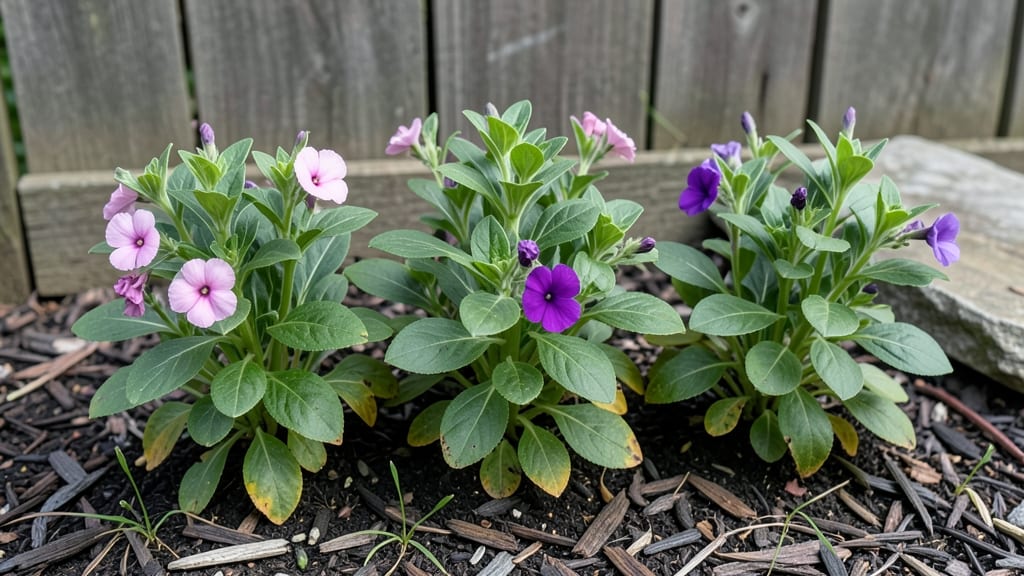
Shade-loving summer flowers transform dark corners into vibrant havens. 🌿 I’ve designed countless low-light gardens where these plants steal the show—adding color and texture where others fail.
The key lies in pairing the right blooms with their ideal companions, creating layers of interest that thrive even under tree canopies or north-facing walls.
Start with impatiens for their cascading blooms, coleus for bold foliage contrast, and begonias for delicate, long-lasting flowers. These work best in partial to full shade, with morning sun at most.
Mix in heuchera for deep burgundy leaves or astilbe for feathery plumes that sway in the breeze. Spacing matters—plant 12-18 inches apart for full coverage without overcrowding.
Your design will burst with jewel-toned blooms—deep purples, velvety reds, and soft whites—that brighten shady spots all summer. The secret? Grouping plants by height: taller foxglove or canna lilies at the back, mid-height impatiens in the middle, and trailing sweet potato vine spilling over edges.
This creates depth and draws the eye naturally.
Works for borders, containers, or understory plantings—even tricky spots like patios or balconies. The same principles apply whether you’re filling a 5-gallon pot or a 10-foot garden bed. Let’s bring those shady areas to life with plants that refuse to fade into the background.
📚 In This Guide
- What you need
- Instructions
- Tips and common mistakes
- Wrapping up and next steps
What you need
- ● Shade-loving flower seeds or plants: Choose from impatiens, ferns, hostas, astilbes, or coleus (3–5 plants per 1 sq. ft. for full coverage).
- ● Well-draining potting mix: 2–3 bags (10–15 cubic feet) of high-quality, organic soil (e.g., Miracle-Gro or FoxFarm Ocean Forest).
- ● Containers or garden beds: Containers: 5–10 pots (10–12 inches wide) with drainage holes.
- ● Garden beds: Shovel, rake, and compost (1–2 cubic yards for in-ground planting).
- ● Mulch: 1–2 bags of shredded bark or pine straw (to retain moisture and suppress weeds).
- ● Garden trowel or hand shovel (for transplanting).
- ● Watering can or hose with a gentle spray nozzle (for delicate blooms).
- ● Gloves (to protect your hands from soil and thorns).
- ○ Optional: Pruners (for trimming dead foliage), kneeling pad (for comfort), and a moisture meter (to monitor soil hydration).
- ● A location with partial to full shade (dappled sunlight to no direct rays).
- ● Consistent watering schedule (shade-loving plants prefer moist, not soggy, soil).
- ● Pro tip: Test your soil’s pH (ideal range: 6.0–7.0) with a kit like Luster Leaf—amend with lime or sulfur if needed! 💡
Step-by-Step instructions for planting shade-loving summer flowers
Here's how to create a vibrant, low-maintenance shade garden that blooms all season long.
🌱 Step 1: Prepare the Planting Area
Choose a site with 2-6 hours of dappled shade—morning sun with afternoon shade works best. Clear away weeds and loosen the soil to a depth of 12 inches using a garden fork. Amend the native soil with 2-3 inches of compost and mix in 1 cup of bone meal per 10 square feet to encourage strong root development.
Level the area with a rake, removing any large rocks or debris. The goal is loose, well-draining soil that retains moisture without becoming waterlogged. Press down lightly with your hands to create a firm planting surface—this prevents newly planted flowers from sinking too deeply.
🪴 Step 2: Select and Plant the Right Varieties
For your 4-plant arrangement, choose a mix of impatiens, fuchsias, astilbes, and heucheras—these thrive in shade and offer continuous blooms. Dig holes twice as wide and just as deep as the root balls of your transplants. Space them 12-18 inches apart to allow airflow and prevent overcrowding.
Gently remove each plant from its container and tease apart any circling roots. Place the plant in the hole so the top of the root ball sits ½ inch below soil level. This ensures stability and prevents stem rot from sitting too low. Fill the hole with soil, pressing lightly around the base to eliminate air pockets.
💧 Step 3: Water Thoroughly and Mulch
Water each newly planted flower with 1 gallon of water to settle the soil and encourage root contact. Use a watering wand or hose with a gentle spray to avoid dislodging the plants. Water deeply until it flows out the drainage holes of your containers or seeps into the surrounding soil.
Spread a 2-inch layer of shredded bark mulch around each plant, keeping it 3 inches away from stems to prevent moisture buildup. This mulch conserves soil moisture, regulates temperature, and suppresses weeds. Replenish as needed—mulch breaks down over time, so check it monthly during hot spells.
☀️ Step 4: Provide Care for Continuous Blooms
Keep the soil consistently moist but never soggy—water when the top inch feels dry. Shade-loving flowers wilt quickly in dry conditions, so check daily during heatwaves. Fertilize lightly every 4-6 weeks with a balanced 10-10-10 fertilizer diluted to half-strength to avoid burning tender roots.
Deadhead spent blooms regularly to encourage more flowers. Pinch off faded flowers with your fingers or use clean pruners. This redirecting energy prevents seed production and promotes bushier growth. In late summer, trim back any leggy stems by ⅓ to maintain shape and prepare for fall.
⏰ Step 5: Monitor and Adjust Light Exposure
Watch your plants for signs of stress—yellowing leaves often mean too much shade, while pale stems indicate insufficient light. If growth slows after 6 weeks, gradually move containers to a slightly sunnier spot or trim nearby trees to increase light exposure.
Adjust watering as seasons change—spring and fall require less frequent watering than peak summer. Group plants with similar needs together: fuchsias and impatiens prefer more moisture, while astilbes tolerate slightly drier conditions. This zoning simplifies maintenance and ensures every flower thrives in its ideal environment.
Tips & tricks for perfect shade-loving summer flowers
A few simple strategies can transform your shade garden from mediocre to spectacular. Here's what I've learned after watching countless shade gardens thrive—and fail.
The Soil Foundation: Don't skip the bone meal in Step 1—it's the secret weapon for strong root development. I've seen plants with weak stems when gardeners skip this step, especially in clay-heavy soils. Mix the bone meal thoroughly into the top 12 inches of soil, and consider adding a handful of perlite if your native soil compacts easily. This creates the perfect balance of moisture retention and drainage that shade plants crave.
Root Ball Placement: That ½-inch below soil level in Step 2 isn't arbitrary—it's critical for preventing stem rot while ensuring stability. I learned this the hard way when my first heucheras toppled over because I planted them too shallow. Use a level to check placement, and press the soil firmly around the base to eliminate air pockets that could dry out the roots.
Watering Wisdom: The 1-gallon-per-plant rule in Step 3 might seem generous, but it's essential for establishing roots in shade conditions. Water slowly at the base rather than overhead to prevent fungal diseases. I recommend using a soaker hose for this initial watering—it delivers water directly to the roots where it's needed most.
Mulch Maintenance: That 2-inch layer of mulch in Step 3 isn't just for looks—it's a game-changer for moisture retention. Check your mulch monthly, especially during summer heatwaves. I've noticed that mulch breaks down faster in wet climates, so replenish it when it's less than 1.5 inches thick. Keep it 3 inches away from stems to prevent moisture buildup that can cause rot.
Pro Tips for Shade Loving Summer Flowers
- A few simple strategies can transform your shade garden from mediocre to spectacular.
- The Soil Foundation: Don't skip the bone meal in Step 1—it's the secret weapon for strong root development.
- Root Ball Placement: That ½-inch below soil level in Step 2 isn't arbitrary—it's critical for preventing stem rot while ensuring stability.
Frequently asked questions
Got questions about keeping your shade garden vibrant all summer? Here are answers to the most common concerns—so you can relax and enjoy your blooms!
Which shade-loving flowers bloom the longest in summer?
For continuous color, prioritize impatiens, coleus, begonias, and fuchsias. These thrive in partial to full shade and often rebloom with deadheading. Heuchera (coral bells) adds foliage interest too—just trim spent blooms to encourage new growth.
When is the best time to plant shade flowers for summer?
Plant after the last frost (spring) or early fall (6–8 weeks before first frost) for roots to establish. Summer transplants need consistent moisture—water deeply 2–3x/week. Containers dry faster, so check soil daily in heat waves!
How often should I water shade flowers in summer?
Water early morning to prevent fungal issues. Most shade plants need 1–1.5 inches/week, but mulch (2–3 inches) retains moisture. Signs of thirst: drooping leaves or crispy edges. Drip irrigation or soaker hoses work best under trees.
Can shade flowers handle any sunlight?
Most prefer dappled or filtered light (3–6 hours/day), but some like astilbes or hostas tolerate morning sun. Avoid hot afternoon rays—they scorch leaves. Test your spot: If it’s bright but no direct beams, you’re golden!
What’s the easiest way to keep pests away?
Prevent pests with neem oil spray (weekly) or companion planting (e.g., marigolds repel aphids). Remove yellowing leaves promptly—they attract pests. For slugs, use copper tape around pots or beer traps (yep, it works!).
What if my shade flowers stop blooming?
Check for overcrowding (thin plants) or nutrient depletion (feed with balanced fertilizer every 4–6 weeks). Some, like impatiens, bloom best with partial shade—if they’re in full sun, they may fade. Prune leggy stems to encourage bushier growth!
Wrapping up and next steps
Transforming your shady spots into vibrant summer gardens is easier—and more rewarding—than you think! 🌿 With the right shade-loving flowers, you can enjoy lush blooms even in low-light areas, adding color and life to your outdoor space.
Whether you’re a seasoned gardener or just starting out, these hardy plants prove that great gardens thrive in unexpected places.
Ready to get growing? Start small with one or two of these beauties, experiment with containers or garden beds, and watch your shady sanctuary bloom. Next, check out our care tips guide to keep your flowers happy all summer long!