Flowers
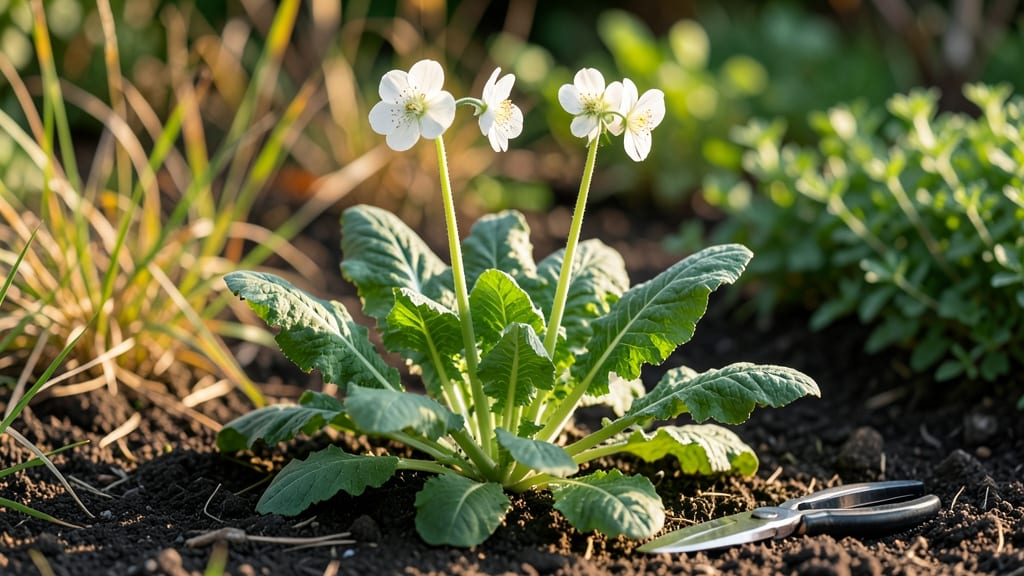
White radish flowers transform any garden into a fragrant, edible masterpiece. ✨ Their delicate white petals and subtle spicy aroma make them a standout in borders, containers, or cutting gardens—while also doubling as a culinary garnish.
Unlike their peppery roots, these blooms offer a mild, almost floral flavor that brightens salads and cocktails.
Plant them alongside sweet alyssum or violas for a soft, dreamy contrast, or pair with purple basil to create a striking height variation. In cooler climates, sow seeds in early spring or late summer for fall blooms, while warmer zones can enjoy year-round color with staggered plantings.
The key? Keep soil consistently moist but well-draining to encourage those showstopping blossoms.
You’ll love how these flowers elevate garden aesthetics while serving a dual purpose—adding visual interest and edible charm. Their airy clusters create movement in still arrangements, and their fragrance lingers long after cutting. For best results, deadhead spent blooms to prolong flowering and attract pollinators.
Perfect for cottage gardens, modern borders, or even container arrangements, white radish flowers bring effortless elegance. Try them in a mixed bed with daisies or lavender for a timeless, romantic look that keeps giving throughout the season.
📚 In This Guide
- What you need
- Instructions
- Tips and common mistakes
- Wrapping up and next steps
What you need
- ● White radish seeds (Daikon or Japanese radish varieties) – 1 packet (approx. 100 seeds) for homegrown flowers.
- ● Potting soil or garden bed – Well-draining, nutrient-rich soil (pH 6.0–7.0).
- ● Containers or garden space – 6-inch pots (for indoor growing) or a sunny garden bed (full sun, 6+ hours/day).
- ● Watering can or spray bottle – For gentle hydration (avoid overwatering!).
- ○ Fertilizer (optional but helpful) – Balanced liquid fertilizer (10-10-10) or compost tea.
- ● Scissors or pruning shears – For harvesting flowers (sterilized with rubbing alcohol).
- ● Grow lights – If growing indoors with limited sunlight.
- ● Mulch or straw – To retain moisture and protect roots.
- ● Edible flower salad mix – To pair with your radish blooms (e.g., nasturtiums, borage).
- ● Honey or sugar water – For a quick pollinator boost if flowers aren’t setting.
How to grow fragrant white radish flowers for edible garnishes
Here's how to coax delicate, fragrant white radish blooms from seed to plate.
🌱 Step 1: Start Seeds Indoors for Early Blooms
Radish flowers thrive when started indoors 6-8 weeks before your last frost date. Use sterile seed-starting mix in 2-inch deep cell trays—radishes germinate best in loose, airy soil that won't compact around delicate roots. Press seeds ¼ inch deep (about the width of a dime) and space them 1 inch apart in each cell.
Moisten the soil with a spray bottle until evenly damp—don't oversaturate, or seeds will rot before sprouting. Cover the tray with a clear plastic dome or plastic wrap to retain warmth and humidity. Place in a warm spot (65-75°F) where they'll germinate in 5-7 days. Once sprouts appear, remove the cover immediately to prevent damping-off disease.
☀️ Step 2: Harden Off and Transplant for Strong Stems
When seedlings develop 2-3 true leaves (not just the first seed leaves), it's time to harden them off. Move trays outside to a sheltered spot for 1 hour the first day, gradually increasing exposure over 7-10 days until they can handle full sun. Radish flowers need full sun (6+ hours daily) to develop their signature sweet fragrance.
Transplant seedlings 12 inches apart in well-draining soil enriched with compost. The key here is depth—plant so the top of the root ball sits level with the soil surface. Water deeply at transplanting to settle the roots, then let the top inch of soil dry between waterings. Overwatering now will cause stems to weaken before blooming.
💧 Step 3: Maintain Moisture and Fertility for Blooms
Radish flowers are shallow-rooted, so keep soil consistently moist but never soggy. Water at the base in the early morning to allow foliage to dry before evening—wet leaves attract pests that can damage buds. A mulch layer (1-2 inches) of straw or shredded leaves helps retain moisture while preventing soil-borne diseases.
Feed plants every 2-3 weeks with a balanced liquid fertilizer (10-10-10) diluted to half-strength. Stop fertilizing 4 weeks before harvest—excess nitrogen promotes leafy growth at the expense of flowers. You'll know you're on track when stems thicken and leaves develop a glossy sheen, signaling strong, healthy plants ready to bloom.
✂️ Step 4: Harvest Flowers at Peak Fragrance
White radish flowers reach peak flavor and aroma when fully open but before petals begin to yellow. Use sharp scissors to cut stems 2-3 inches below the bloom, harvesting in the cool morning hours when petals are crisp. Avoid harvesting in hot afternoons—petals wilt quickly and lose their delicate scent.
Store harvested flowers in a paper towel-lined container in the fridge for up to 3 days. For longer storage, dry petals between pages of a heavy book or on a mesh screen away from direct light. Once dried, they'll keep their fragrance for weeks—perfect for garnishing soups, salads, or infusing oils.
Tips & tricks for perfect white radish flowers
These insider secrets will help you coax the most fragrant, vibrant blooms from your radish plants.
Germination Environment: The 65-75°F germination range is crucial—too cold and seeds won't sprout, too hot and they'll rot. I keep my seed trays on top of the fridge during winter months to maintain that perfect warmth. A simple heat mat under the tray works wonders if your home runs cool. Remember to remove that plastic cover immediately after sprouts appear to prevent damping-off disease, which can wipe out your entire batch.
Harden Off Gradually: That 1-hour initial outdoor exposure in Step 2 is just the beginning. I've learned the hard way that rushing this process weakens stems. Start with just sunlight in a sheltered spot, then gradually introduce wind exposure over those 7-10 days. Place a small fan nearby during the last few days to toughen stems—this mimics natural wind conditions and prevents flopping when transplanted.
Soil Depth Matters: When transplanting, that level-with-the-soil-surface rule is non-negotiable. Planting too deep causes stems to stretch toward light, making them leggy and weak. I mark the top of each root ball with a toothpick before transplanting to ensure perfect placement. The 12-inch spacing might seem generous, but it prevents competition that steals nutrients from your blooms.
Harvest Timing Secret: The fully open but pre-yellowing stage is your sweet spot for peak fragrance. I harvest mine between 8-10am when dew has evaporated but morning coolness preserves petal crispness. Pro tip: Sniff the blooms before cutting—if you detect a faint bitter note, they're past their prime. For maximum shelf life, store harvested flowers in a single layer on paper towels in the fridge rather than stacking them.
Pro Tips for White Radish Flowers
- These insider secrets will help you coax the most fragrant, vibrant blooms from your radish plants.
- Germination Environment: The 65-75°F germination range is crucial—too cold and seeds won't sprout, too hot and they'l...
- Harden Off Gradually: That 1-hour initial outdoor exposure in Step 2 is just the beginning. I've learned the hard way...
Frequently asked questions
Got questions about growing, harvesting, or using white radish flowers?
Here are some of the most common ones—plus quick answers to help you nail this fragrant, edible garnish!
How long does it take for white radish flowers to bloom?
White radish flowers (like Daikon or Raphanus sativus) typically bloom 6–10 weeks after planting, depending on your climate and variety. For faster blooms, start seeds indoors 4–6 weeks before the last frost or choose early-maturing varieties like 'Sakura Long White'.
Are white radish flowers safe to eat raw?
These delicate blooms are completely edible and add a mild, slightly spicy radish flavor to salads, garnishes, or cocktails. Just rinse them gently in cool water to remove dirt before using. Pro tip: Remove the stamens (they can be bitter) for the smoothest texture.
What can I do if my white radish flowers don’t open?
If buds stay closed, it’s often due to heat stress, lack of sunlight, or overcrowding. Try moving plants to a sunnier spot (6+ hours of light daily) or lightly hand-pollinate buds with a soft brush. Overwatering can also cause buds to drop—let soil dry slightly between waterings.
Can I substitute white radish flowers for other edible flowers?
Yes! If you can’t find white radish flowers, try nasturtiums, borage, or calendula for a similar mild, peppery kick. For a sweeter option, pansies or violets work well in salads. Just ensure they’re pesticide-free—always buy organic or grow your own for edible blooms.
How do I harvest white radish flowers without damaging the plant?
Harvest in the morning after dew dries for peak freshness. Snip stems with clean scissors just above a leaf node (not the main stem) to encourage more blooms. Avoid harvesting more than ⅓ of the flowers at once—let some self-seed for next year’s crop!
Wrapping up and next steps
White radish flowers aren’t just a stunning garnish—they’re a delicious, fragrant, and easy-to-grow addition to your culinary adventures! Whether you’re sprinkling them over salads, infusing oils, or experimenting with floral teas, these edible blooms bring a bright, peppery-sweet touch to any dish. 🌸
Ready to elevate your meals? Start by growing your own batch of white radish flowers—it’s simpler than you think! Plant seeds in well-drained soil, keep them sunny, and in just a few weeks, you’ll have a harvest of edible beauty right at your fingertips. Happy gardening (and feasting)! 🌱