
Flowers
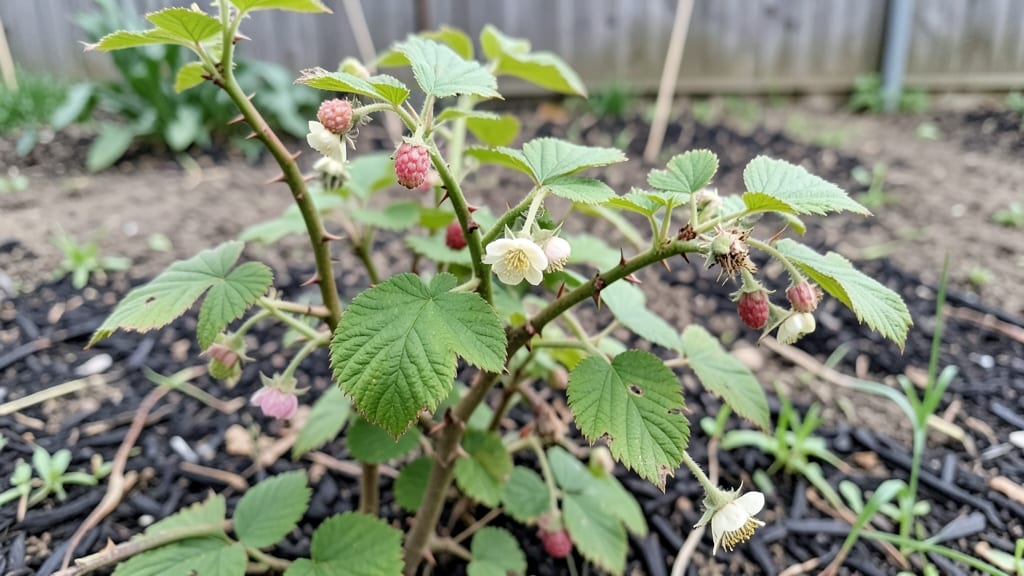
Those stunning raspberry flower colors aren't just pretty—they're nature's way of communicating the plant's condition. 🌸 The pink hues come from anthocyanins, pigments that protect flowers from UV damage while attracting pollinators.
When you see rich magenta blooms, that's your cue the plant is well-hydrated and nutrient-rich, often producing sweeter berries. But watch for yellowing edges or whitewashed flowers, which could mean underwatering or nutrient deficiencies like low nitrogen or phosphorus.
What's fascinating is how these colors change throughout the growing season. Early spring blooms often start paler, deepening as temperatures rise and daylight increases.
I've noticed my Heritage raspberries develop the most intense pink when planted in full sun with consistent moisture—a perfect balance that keeps both flowers vibrant and fruit production strong.
💡 In This Article
- How Raspberry Flower Colors Indicate Plant Health
- Best Raspberry Varieties by Flower and Fruit Color
How raspberry flower colors indicate plant health
The vibrant pinks and whites of raspberry flowers aren't just for show—they're a visual health report from the plant itself. These colors come from anthocyanins, water-soluble pigments that act like built-in sunscreen, protecting delicate flower tissues from harmful UV rays.
Darker pink blooms contain higher concentrations of these pigments, which typically means the plant has ample access to sunlight, water, and essential nutrients like phosphorus and potassium. Think of it like a traffic light system: rich magenta signals "all systems go," while pale or fading colors raise red flags. 🌸
Here's what's actually happening at the cellular level: anthocyanins accumulate in response to sunlight exposure, creating that signature raspberry pink. When plants receive 6-8 hours of direct sunlight daily, they produce more of these pigments, resulting in deeper hues.
But when sunlight is limited—like in shady garden spots—or when soil pH drifts too far from the ideal 5.5-6.5 range, anthocyanin production drops, leading to those washed-out whites or yellowish tints.
Even hydration plays a role: underwatered plants can't transport nutrients efficiently, causing flowers to develop uneven coloring or crispy edges.
The temperature also influences bloom vibrancy. Raspberry flowers thrive in 60-75°F ranges, where pigment production is optimal. Below 50°F, many varieties produce paler blooms due to slowed metabolic processes.
I've seen this firsthand with my Boyne raspberries—when spring nights dip below freezing, the flowers emerge with a ghostly white tint before deepening as temperatures stabilize.
This delayed color development often correlates with later fruit ripening, so gardeners in cooler climates may need to extend the growing season or choose cold-hardy varieties like Heritage.
What most people don't realize is how these color shifts reveal internal plant chemistry. For example, nitrogen deficiency often causes flowers to develop greenish-yellow streaks, while phosphorus shortages lead to purplish tinges on the stems.
The key is observing these patterns over time: a single pale flower might just be a fluke, but consistent color deviations across multiple blooms signal deeper issues. Regular soil testing can help identify specific nutrient imbalances, allowing you to adjust your fertilization strategy before problems affect fruit production. 💫
Environmental stressors don't just affect color—they alter flower structure too. Healthy raspberry blooms have a velvety texture and firm petals, while stressed flowers may appear papery or develop irregular shapes.
The arrangement matters too: productive canes typically bear flowers in dense clusters along the stem's outer edges, whereas stressed plants might show sparse, scattered blooms. These physical changes, combined with color shifts, give gardeners a comprehensive picture of plant vitality long before harvest season.
Consider these key factors when interpreting flower colors:
- Darker pink: Optimal health, likely 70-80% humidity and full sun exposure
- Pale pink/white: Possible underwatering or low light conditions (below 4 hours of direct sun)
- Yellowing edges: Often indicates nutrient deficiencies (especially nitrogen) or pH imbalance
- Brown spots: Sign of fungal issues or overwatering (soil should be moist but not soggy)
The science behind these color changes involves complex biochemical pathways where environmental signals trigger gene expression for pigment production. When conditions are ideal, these pathways operate efficiently, resulting in those stunning raspberry blooms we all love.
Understanding this connection lets you become a more proactive gardener—intervening at the first signs of color deviation rather than waiting for problems to affect your harvest. 🌿