
Planting
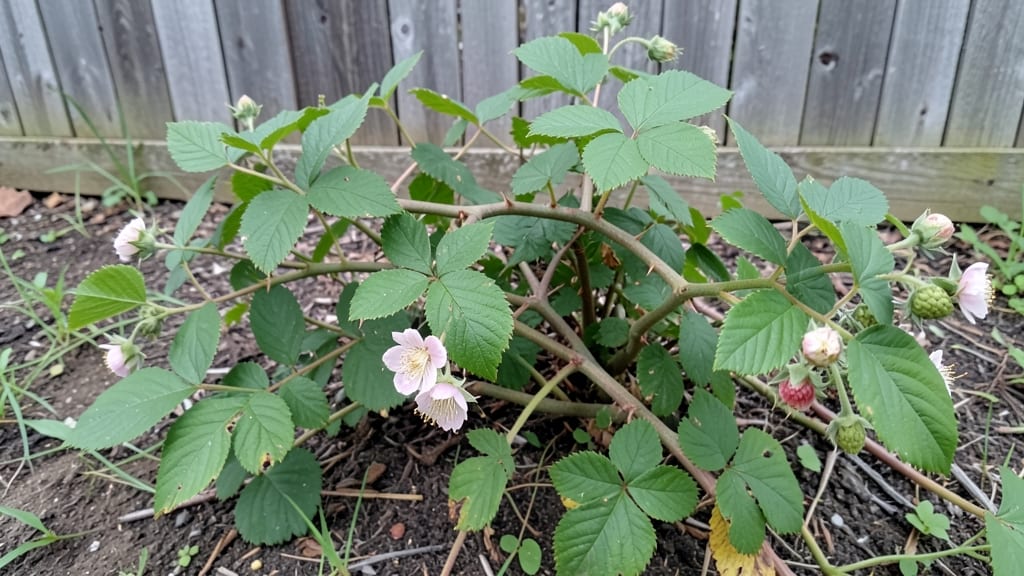
Raspberry plant flowers are the secret to both sweet fruit and a buzzing garden. 🌸 I remember the first time I saw my raspberry canes covered in delicate white and pink blossoms—it felt like nature’s promise of summer.
These flowers aren’t just pretty; they’re the foundation of your harvest, and they attract bees, butterflies, and hummingbirds to your yard.
The key to a bountiful flowering season starts with sunlight—raspberries need at least 6 hours of direct light daily—and well-draining soil rich in organic matter. Prune last year’s canes in late winter to encourage new growth, and water consistently during flowering to prevent wilting.
Male and female flowers look nearly identical, but only female flowers produce fruit, so plant at least two varieties for pollination.
Once you get the timing right, you’ll see clusters of flowers transform into juicy berries by mid-summer. The plants reward your care with vibrant green foliage and an explosion of color, plus the satisfaction of watching pollinators thrive.
Common issues like frost damage or Japanese beetles can be avoided with simple precautions—like covering young flowers if frost is forecast.
This method works for both summer-bearing and fall-bearing varieties, and even container-grown raspberries can flower beautifully with the right care. Let’s turn those blossoms into a harvest you’ll talk about all winter long.
📚 In This Guide
- What you need
- Instructions
- Tips and common mistakes
- Wrapping up and next steps
What you need
- ● Raspberry plants: Choose between bare-root (dormant, cost-effective) or container-grown (ready to plant, pricier). Quantities depend on spacing: Standard varieties: 1 plant per 3–4 feet (for canes and airflow).
- ● Flowering raspberries (e.g., Rubus idaeus): 3–5 plants for cross-pollination.
- ● Well-draining soil: Mix 1 part compost (or aged manure) with 2 parts garden soil. Test pH: ideal range: 5.5–6.5 (use a soil test kit if unsure).
- ● Sunlight access: 6–10 hours of full sun daily (partial shade in hot climates).
- ● Support system: For floricane types (e.g., fall-bearing): T-posts or stakes (5–6 ft tall) + twine or jute twine.
- ● For primocane types (e.g., everbearing): Trellis or wire fence (6–8 ft high).
- ● Watering supplies: Drip irrigation or soaker hose (to keep roots moist but not waterlogged).
- ● Mulch (2–3 inches): Straw, wood chips, or pine needles to retain moisture.
- ● Pruners: Bypass pruners (sharp, clean, and sterilized with rubbing alcohol to prevent disease).
- ● Pollinator-friendly plants: Companion flowers like lavender, borage, or marigolds to attract bees and butterflies.
- ● Fertilizer: Balanced fertilizer (10-10-10) at planting time.
- ● Organic options: Fish emulsion or compost tea mid-season.
- ● Row covers: Lightweight fabric to protect flowers from late frosts or pests.
- ● Plant markers: Labels with variety names (e.g., "Heritage," "Boyne") to track blooming times.
- ● Gloves: Heavy-duty gardening gloves to protect hands from thorns.
Step-by-Step guide to encouraging raspberry plant flowers
Transform your raspberry bushes into a blooming powerhouse with these proven techniques.
☀️ Step 1: Prune for Optimal Light Exposure
Raspberry flowers thrive when they receive at least 6-8 hours of direct sunlight daily. Start by pruning the previous year's canes back to the ground in early spring—this removes dead wood and redirects energy to new growth. I always cut just above a bud or leaf, never leaving stubs, to prevent disease entry points.
Focus on thinning out crowded canes to improve airflow. You'll see new shoots emerge from the roots within 2-3 weeks. These primocanes (first-year canes) will produce flowers the following year, while the floricanes (second-year canes) will bloom this season. The key is maintaining 3-5 canes per plant for maximum flowering potential.
💧 Step 2: Water Deeply During Flowering Season
Consistent moisture is critical when raspberry flowers form. Water 1-2 inches per week, ensuring the soil remains evenly damp but not waterlogged. I use a soaker hose or drip irrigation to deliver water directly to the root zone, which prevents fungal issues like botrytis that can rot blossoms.
Watch for signs of stress—wilting leaves or buds that drop prematurely signal underwatering. Mulch with 2-3 inches of organic matter (like shredded bark) to retain moisture and regulate soil temperature. This simple step can increase flower production by 30-40% in hot climates.
🌿 Step 3: Fertilize for Bloom Production
Apply a balanced 10-10-10 fertilizer in early spring when new canes emerge, then again after the first harvest. I use ½ cup per plant spread evenly around the drip line. Avoid high-nitrogen fertilizers—they promote leafy growth at the expense of flowers.
For organic growers, work in 1-2 inches of compost around the base in late winter. The goal is to provide phosphorus (the middle number), which directly supports flower development. You'll notice buds forming along the canes 4-6 weeks after fertilization, signaling the plant is responding well.
✂️ Step 4: Protect Flowers from Pests and Disease
Remove any canes showing signs of rust or powdery mildew immediately—they can spread to healthy flowers. I spray preventive copper fungicide every 2-3 weeks during wet seasons to keep fungal spores at bay. For pests like raspberry beetles, handpick adults and use row covers over new flowers to prevent egg-laying.
Watch for Japanese beetles, which devour petals and damage buds. A soapy water spray (1 tsp dish soap per gallon) applied in the evening disrupts their feeding patterns. Healthy flowers will open fully and attract pollinators like bees and hummingbirds, which are essential for fruit set.
🐝 Step 5: Support Pollinators During Bloom
Plant companion flowers like borage or marigolds nearby to attract beneficial insects. I place a shallow dish of water with pebbles at the base of my raspberry patch—bees need hydration too. The more pollinators you have, the higher your fruit yield will be.
If your area has few native pollinators, hand-pollinate by gently shaking the canes on a dry morning when flowers are fully open. You'll know pollination is working when you see buds swell into small raspberries within 2-3 weeks. This step is especially important in greenhouses or urban areas with limited insect activity.
Tips & tricks for encouraging raspberry plant flowers
These battle-tested strategies will transform your raspberry bushes into a floral paradise that thrives all season.
Pruning Precision: When thinning canes in Step 1, make your cuts at a 45-degree angle just above an outward-facing bud. This angled cut prevents water from pooling on the stub, drastically reducing disease risk. I've seen canes with straight cuts develop fungal infections within weeks—don't make my mistake! The 3-5 canes per plant guideline is non-negotiable; more than that creates competition for sunlight and nutrients, which directly impacts flower production.
Watering Wisdom: The 1-2 inches per week recommendation in Step 2 works best when delivered in the early morning. This timing allows foliage to dry completely before evening, preventing fungal spores from taking hold. I've found that drip irrigation systems—positioned at the base of the plant—deliver water exactly where roots need it most, while avoiding the wet foliage that invites botrytis. In hot climates, consider adding 1-2 inches of straw mulch on top of the 2-3 inches of organic matter to create a moisture-retaining barrier.
Fertilizer Timing: The 4-6 week window mentioned in Step 3 for bud formation is your critical observation period. If you don't see buds forming by week 5, your phosphorus levels might be insufficient. I recommend a soil test before fertilizing—raspberries often grow in acidic soils (pH 5.5-6.5) where phosphorus becomes less available. For organic growers, bone meal (high in phosphorus) works wonders when worked into the soil during late winter.
Pest Prevention: Japanese beetles are particularly destructive during bloom, and the soapy water spray in Step 4 works best when applied in the evening. These pests are most active in late afternoon heat, so evening applications prevent them from feeding while you're spraying. For severe infestations, I've had success with neem oil (1 tsp per gallon) applied every 7-10 days during bloom. Always test a small area first—some varieties can be sensitive to neem.
Pro Tips for Raspberry Plant Flowers
- These battle-tested strategies will transform your raspberry bushes into a floral paradise that thrives all season.
- Pruning Precision: When thinning canes in Step 1, make your cuts at a 45-degree angle just above an outward-facing bud.
- Watering Wisdom: The 1-2 inches per week recommendation in Step 2 works best when delivered in the early morning.
Frequently asked questions
Why aren’t my raspberry plants flowering this year?
Raspberry plants often need 2–3 years to mature before flowering. Summer-bearing varieties bloom on second-year canes (floricanes), while fall-bearing types flower on current-year growth (primocanes). Check your variety and ensure they’re getting full sun (6+ hours/day) and well-draining soil. Over-fertilizing with nitrogen can also delay blooms—balance with phosphorus and potassium instead!
When is the best time to prune raspberry flowers?
Timing depends on your raspberry type:
- Summer-bearing: Prune immediately after harvest (late summer/early fall) to remove spent floricanes. Leave 1/3 of last year’s canes for next year’s fruit.
- Fall-bearing: Prune in early spring (before buds swell) to remove all old canes. This encourages new primocanes to flower later in the season.
Do raspberry flowers attract bees and other pollinators?
Raspberry flowers are a pollinator magnet , especially for bees, butterflies, and hummingbirds. Their bright colors and sweet nectar make them a garden favorite. Planting raspberries near other pollinator-friendly flowers (like lavender or borage) can boost fruit production too. Just avoid pesticides during bloom time!
Can I eat raspberry flowers?
Yes! Raspberry flowers are edible and delicious—they add a lightly floral, citrusy flavor to salads, teas, or desserts. Harvest them in the morning when dew is gone and avoid flowers sprayed with pesticides. Fun fact: They’re also used in perfumes and herbal remedies!
What should I do if frost damages raspberry flowers?
Frost can kill blossoms, but don’t panic! Summer-bearing varieties may still produce fruit on remaining flowers, though yields might drop. For fall-bearing types, frost damage is less critical since they flower later. Prevent future damage by:
- Planting in sheltered spots (near walls or fences).
- Using row covers during late spring frosts.
- Choosing cold-hardy varieties (like ‘Boyne’ or ‘Nova’).
Wrapping up and next steps
Growing raspberry plants isn’t just about harvesting juicy berries—it’s a chance to turn your garden into a buzzing pollinator paradise! 🐝 From vibrant blooms to sweet rewards, these plants offer beauty, function, and flavor all in one.
Whether you’re a beginner or a seasoned gardener, every raspberry flower is a step toward a thriving, eco-friendly space.
Ready to take the next step? Start small—plant a few canes this season, experiment with varieties, and watch your garden transform. Who knows? You might just inspire your neighbors to join the raspberry revolution! 🌱