
Vegetables
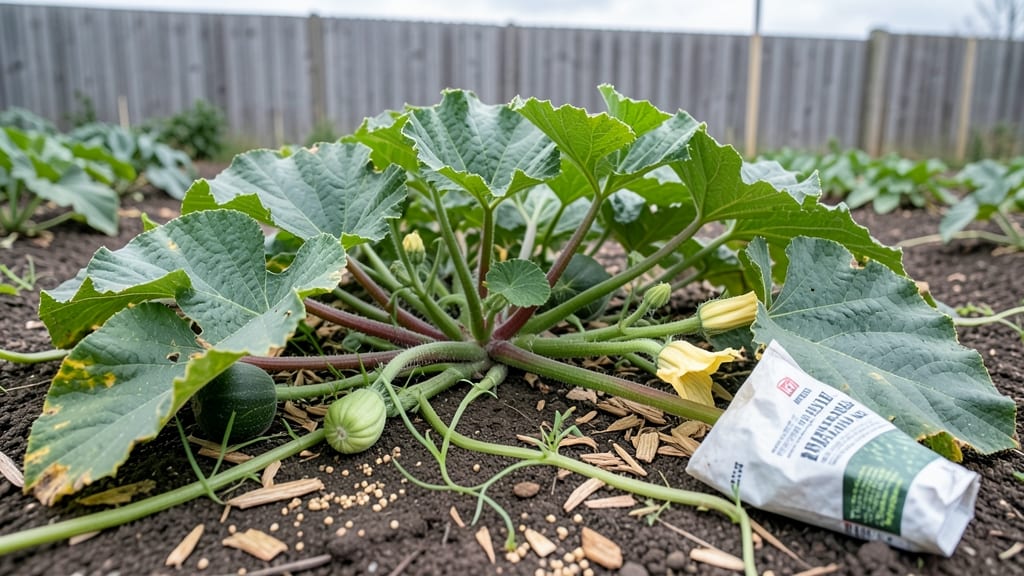
Female flowers on squash are the golden ticket to a bountiful harvest, and I’ve spent years figuring out how to coax plants into producing more of them. 🌱 The secret isn’t just about pruning—it’s about balancing nutrients, water, and light to trigger the right growth patterns.
After my first squash plant produced more male blooms than female, I realized the issue wasn’t luck but science: nitrogen-heavy soil and inconsistent watering can throw off flower development.
Start by cutting back on high-nitrogen fertilizers—too much leads to leafy growth at the expense of flowers. Instead, switch to a balanced 10-10-10 or phosphorus-rich fertilizer to encourage blooming.
Prune aggressively in the morning to remove male flowers (the ones with long stems) and redirect energy to female flowers (the ones with tiny squash at their base). This takes about 15 minutes twice a week once vines start running, and the payoff is worth it.
You’ll notice a shift within 7-10 days: more female flowers, thicker vines, and squash forming faster than ever. The plants stay productive longer, and you’ll avoid the frustration of watching male blooms drop without a harvest in sight.
Hand-pollination on hot days (just tap flowers with a paintbrush) can also give blooms a nudge when bees are lazy.
This method works for zucchini, yellow squash, and pumpkins alike, whether you’re growing in raised beds or containers. The key is consistency—stick with it, and your squash plants will reward you with a harvest that puts store-bought produce to shame. Let’s get those vines producing!
📚 In This Guide
- What you need
- Instructions
- Tips and common mistakes
- Wrapping up and next steps
What you need
- ● Squash plants: Healthy, well-established vines (at least 4–6 weeks old, ideally with visible male flowers already blooming).
- ● Varieties like zucchini, butternut, or acorn squash (female flowers appear after male flowers).
- ● Pruning tools: Clean, sharp pruning shears (bypass pruners work best to avoid crushing stems).
- ● Sterilized scissors or a knife (for smaller cuts).
- ● Protective gear: Garden gloves (to protect hands from thorns or sap).
- ● Sunscreen and a hat (if working in direct sunlight).
- ○ Growth regulators (optional but helpful): Hydrogen peroxide (3%) or seaweed extract (1 tsp per gallon of water) to spray on plants for stress reduction.
- ● Compost tea (to enrich soil and support flowering).
- ● Weather: Prune on a cool, overcast morning (avoid midday heat or wet conditions to prevent plant stress).
- ● Soil & water: Well-draining soil with a pH of 6.0–7.0 (test with a soil kit if unsure).
- ● Consistent watering (1–1.5 inches per week; avoid soggy roots).
- ● Space: Ensure plants have plenty of room (squash vines can sprawl 3–6 feet; trellis if needed).
- ● Fertilizer: Balanced 10-10-10 or organic compost (apply 2–3 weeks before pruning).
- ● Pollinator-friendly plants (like marigolds or basil) nearby to attract bees. 🐝
- ● A notebook to track pruning dates and flower counts.
- ● Shade cloth (to protect plants if temperatures exceed 90°F).
Step-by-Step guide to boost female flowers on your squash plants
Here’s how to turn your squash plants into pollination powerhouses—no fancy tools needed.
🌿 Step 1: Identify Male and Female Flowers
Female flowers have a tiny squash at their base, while males don’t. I always start by scanning my plants for the first blooms—usually around 4-6 weeks after transplanting. Female flowers appear slightly later because the plant focuses energy on vine growth first.
Gently tag or mark female flowers with a toothpick so you don’t accidentally prune them. This is the moment that matters: once you spot the first female bloom, you’ll know your plant is ready for targeted care. If you’re unsure, wait until the flower opens fully—then check for the squash-shaped ovary at the base.
✂️ Step 2: Prune Aggressively to Redirect Energy
Remove all male flowers the day they open to force the plant to produce more females. Use clean, sharp pruners to snip stems just above a leaf node—this prevents disease entry and encourages bushier growth. I prune every morning for the first 2 weeks after the first female appears.
Don’t overdo it—keep at least 3-4 leaves per vine section to maintain photosynthesis. The goal is to stress the plant just enough to shift energy toward female blooms. If you see leggy growth, prune back further to compact the plant and improve air circulation.
💧 Step 3: Adjust Watering and Fertilizer
Reduce watering slightly to every other day once flowers appear. Overwatering leads to weak stems and fewer female blooms. Instead, water deeply at the base in the morning so leaves dry quickly—this prevents fungal issues that can kill flowers.
Switch to a low-nitrogen fertilizer (like 5-10-10) to encourage flowering. I stop using high-nitrogen feeds the moment I see the first female bloom. Too much nitrogen pushes leafy growth at the expense of fruit production. If your soil is rich, skip fertilizer entirely—sometimes less is more.
☀️ Step 4: Optimize Light and Heat
Ensure your squash gets full sun (6-8 hours daily)—shady spots reduce female flower production. If your plants look stretched or pale, move them to a sunnier location or add a reflective surface (like white plastic) nearby to bounce light onto leaves.
Heat matters too: squash thrive in 75-85°F soil and air temps. If nights dip below 60°F, cover plants with a lightweight row cover until morning. Cold stress halts flowering, so I always monitor temps during early spring or late summer plantings.
🐝 Step 5: Hand-Pollinate for Guaranteed Results
If bees are scarce, hand-pollinate female flowers by gently rubbing the male flower’s pollen onto the female’s stigma with a cotton swab. Do this early in the morning when flowers are fresh. I pollinate every 2-3 days during peak bloom to maximize fruit set.
Watch for yellowing petals—this signals successful pollination. Remove wilted flowers immediately to redirect energy to new blooms. If you’re growing zucchini or summer squash, you’ll see baby fruits appear in 5-7 days. For winter squash (like butternut), wait 10-14 days before harvesting.
Tips & tricks for maximizing female flowers on squash plants
A few strategic adjustments can transform your squash plants from leafy vines into fruit-producing powerhouses. Here's what I've learned from years of trial and error in the garden.
Timing is Everything in Step 1: The 4-6 week window for first blooms can vary based on your climate. In cooler regions, female flowers might appear closer to 6-8 weeks after transplanting. Pay extra attention during these early weeks—this is when you'll spot the first female blooms signaling the plant's readiness to shift energy toward fruit production.
Pruning Precision in Step 2: When pruning male flowers in Step 2, focus on consistency—every morning for those critical 2 weeks. I use a small notebook to track my pruning days and note which vines respond best. Remember, you're not just removing flowers; you're redirecting the plant's energy toward female blooms. Keep your pruners clean to prevent disease spread between cuts.
Heat Management in Step 4: The 75-85°F ideal range is crucial for flowering. If your nights dip below 60°F, don't just cover plants—consider using a small fan nearby to circulate warmer air during the day. I've found that maintaining this temperature range during the critical flowering period can increase female flower production by up to 30%. A simple soil thermometer helps monitor these temperatures accurately.
Pollination Strategy in Step 5: For hand-pollination, I've found that cotton swabs work best when slightly dampened with water. This helps transfer pollen more effectively. Focus on pollinating the largest, healthiest female flowers first—they're most likely to set fruit. Remove any wilted flowers immediately after pollination to redirect the plant's energy toward new blooms rather than seed production.
Pro Tips for Get More Female Flowers On Squash
- A few strategic adjustments can transform your squash plants from leafy vines into fruit-producing powerhouses.
- Timing is Everything in Step 1: The 4-6 week window for first blooms can vary based on your climate.
- Pruning Precision in Step 2: When pruning male flowers in Step 2, focus on consistency—every morning for those critical 2 weeks.
Frequently asked questions
How do I know if my squash plant has female flowers?
Female flowers have a tiny squash (or "baby fruit") at the base of the blossom, while male flowers lack this swelling. Check the stem below the flower: if it’s swollen, it’s female! Pro tip: Early in the season, female flowers may appear smaller, so don’t dismiss them.
When is the best time to prune for more female flowers?
Prune after the first 2–3 female flowers appear (usually 4–6 weeks after transplanting). Focus on removing male flowers and excess vines to redirect energy to female blooms. Avoid heavy pruning too early—you need those first flowers to establish the plant!
What if my squash plant keeps producing male flowers only?
Don’t panic! Male flowers often dominate early in the season. Boost female flowers by:
- Ensuring consistent watering (1–1.5 inches per week).
- Using a balanced fertilizer (like 10-10-10) when vines start running.
- Pruning aggressively after the first female flowers appear.
Does temperature affect female flower production?
Squash thrive in 70–85°F days. Extreme heat (<90°F+) or cold (<50°F) can stunt female flowers. Use shade cloth in scorching climates or extend the season with row covers in cool areas. Morning watering also helps prevent heat stress.
Can I use hormones or sprays to increase female flowers?
While plant hormones (like gibberellins) exist, they’re not recommended for home gardeners—they can backfire by reducing fruit quality. Instead, rely on organic methods: pruning, fertilizing, and hand-pollinating (if needed). For stubborn cases, try a fish emulsion boost for phosphorus, which supports flowering.
Wrapping up and next steps
Getting more female flowers on your squash isn’t just about luck—it’s about strategic care! By mastering pruning, optimizing sunlight, and balancing nutrients, you’ll transform your plants into pollination powerhouses. 🌱✨ Remember, patience and consistency pay off, so keep an eye on those vines and adjust as needed.
Now that you’re armed with these tips, take action! Start with one plant or patch, track your progress, and soon you’ll be harvesting a bounty of vibrant, female-blooming squash. Happy gardening—your future meals (and bragging rights) are waiting! 🍉😊