
Blooming
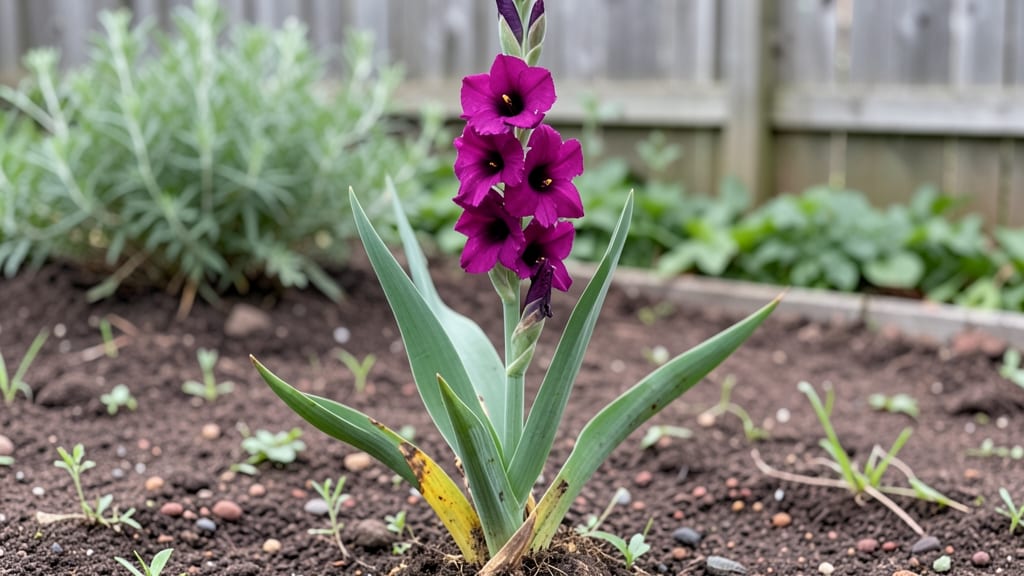
Timing your gladiolus flowering period right means bold summer color from June through September 🌸 — and avoiding the heartbreak of blooms that fade overnight.
If you’ve ever watched your gladiolus blooms vanish as quickly as they appear—or wondered why some years deliver weeks of drama while others disappoint—you’re not alone. The secret lies in when you plant, which varieties you choose, and how you care for them once those spikes emerge.
Gladiolus thrive in USDA Zone 6a and beyond when given the right conditions: full sun, well-draining soil, and a staggered planting schedule to extend their show. Plant too late, and you’ll miss peak bloom; plant too early, and frost could nip them in the bud.
In this guide, I’ll break down the month-by-month blooming timeline, share my top tricks for longer-lasting flowers, and reveal the common mistakes that cut blooms short—so you can enjoy garden-worthy glads all season long.
Gladiolus flowering period by month: when and how long they bloom
Timing your gladiolus planting for the perfect blooming window transforms your garden from a summer highlight to a year-round conversation starter. These dramatic spike flowers thrive in USDA zones 6-10, but their bloom periods shift dramatically depending on when you plant and your local climate.
The key? Understanding how early, mid, and late-season varieties align with your region's frost dates.
Each gladiolus spike produces 7-14 individual blooms over 7-14 days, with peak color intensity lasting just 3-5 days per flower. The challenge? Coordinating multiple plantings to stretch your summer display from June through September.
Let's break down the month-by-month blooming periods by zone so you can plan your staggered plantings like a pro.
| Month | USDA Zones 6-7 | USDA Zones 8-9 | USDA Zone 10 | Bloom Duration |
|---|---|---|---|---|
| June | Early varieties (e.g., 'Picasso') | Mid varieties (e.g., 'Green Star') | Late varieties (e.g., 'Black Star') | 7-10 days |
| July | Mid varieties peak | Late varieties begin | Extended bloom (3+ weeks) | 10-14 days |
| August | Late varieties peak | Extended bloom (4+ weeks) | Peak intensity | 12-14 days |
| September | Fading blooms | Late bloomers (e.g., 'White Friendship') | Tropical varieties (e.g., 'Navajo') | 7-10 days |
| Planting Tip: For continuous blooms, plant 3-4 week intervals starting in April-May | ||||
In USDA zones 6-7, your first blooms appear in late June if you plant early varieties like 'Picasso' in April. These early-season gladioli deliver 7-10 days of peak color in June, but their spikes only last 2-3 weeks total.
The trick? Follow up with mid-season varieties like 'Green Star' planted in mid-May to extend your display into July-August.
Gardeners in zones 8-9 enjoy a longer natural season, with mid-season varieties blooming as early as June if planted in March. Here, you can create a 6-week continuous bloom by staggering plantings every 3 weeks.
For example, plant 'Picasso' in March, 'Green Star' in April, and 'Black Star' in May. Each spike will produce 10-14 individual blooms over 2 weeks, with peak intensity lasting 3-5 days per flower.
Zone 10 gardeners have the luxury of year-round planting and can even enjoy fall blooms from varieties like 'White Friendship' planted in August. In these warm climates, gladiolus corms don't enter dormancy, so you can plant every 4-6 weeks for non-stop summer color.
Tropical varieties like 'Navajo' thrive here, producing larger spikes with 15+ blooms that last 3 weeks total.
Every gladiolus spike follows the same blooming pattern: the lowest bud opens first, followed by 1-2 new blooms per day. Peak color intensity occurs when 3-5 buds are open simultaneously.
To maximize this effect, always cut spent blooms immediately—they won't rebloom, but removing them encourages the plant to focus energy on lower buds that are still developing.
For longer-lasting blooms, choose varieties with darker colors like purple or black—they tend to have higher sugar content in their petals, making them more durable. Light-colored varieties like white or pink often have shorter vase life (just 5-7 days) compared to 10-14 days for deep hues.
Pro tip: Harvest stems when the second bloom from the bottom is just opening for the longest possible display.
Your local last frost date determines your earliest planting window. In zone 6, wait until May 15 to plant early varieties, while zone 10 gardeners can start as early as February. The 6-8 week growth period before blooming means precise timing is everything.
For example, planting 'Picasso' on April 1 in zone 7 will yield blooms by June 15, while the same variety planted May 1 will bloom July 15.
Remember that soil temperature affects
How to extend your gladiolus flowering season with strategic planting
Most gardeners plant gladiolus corms once and expect a single 2-week flowering burst—but with a few simple tricks, you can stretch those vibrant blooms from June through September.
The secret? Staggered planting in 3-4 week intervals ensures fresh flowers just as the last ones fade. This method works especially well in USDA zones 6-10, where gladiolus thrive.
I’ve used this technique for years in my own garden, and the difference is night-and-day. Instead of a single peak bloom period, you’ll enjoy a continuous display that keeps your garden looking fresh.
The key lies in variety selection, soil prep, and planting timing—all of which I’ll break down step by step.
- Early bloomers (June): Plant 'Picasso' or 'Green Star' corms in late April for 60-70 days to bloom.
- Mid-season (July-August): Follow with 'White Friendship' or 'Black Star' every 3 weeks for overlapping blooms.
- Late-season (September): Add 'Green Star' or 'Pink Star' in early July to extend color until frost.
When choosing varieties, prioritize disease-resistant types like 'Green Star' or 'Picasso', which handle humidity and heat better than others. For soil prep, mix in compost and sand to improve drainage—gladiolus hate soggy roots. Plant corms 4-6 inches deep in full sun (at least 6 hours daily).
Don’t forget to fertilize lightly when planting and again when buds form. A balanced 10-10-10 fertilizer (1 tbsp per plant) gives them the phosphorus and potassium needed for strong stems and blooms. Water deeply once a week (more in extreme heat) to encourage taller, sturdier spikes.
As flowers fade, deadhead them immediately to redirect energy to new blooms. This simple step can add 1-2 weeks to your gladiolus flowering period. For even longer displays, try cutting flowers when the lowest bloom opens—this triggers more side shoots and extends the show.
With this method, my garden stays bursting with color for nearly 4 months instead of just a few weeks. The best part? You don’t need a greenhouse or special tools—just a little planning and patience.
Try it this spring, and you’ll wonder why you ever planted them all at once! 🌸