
Shrubs
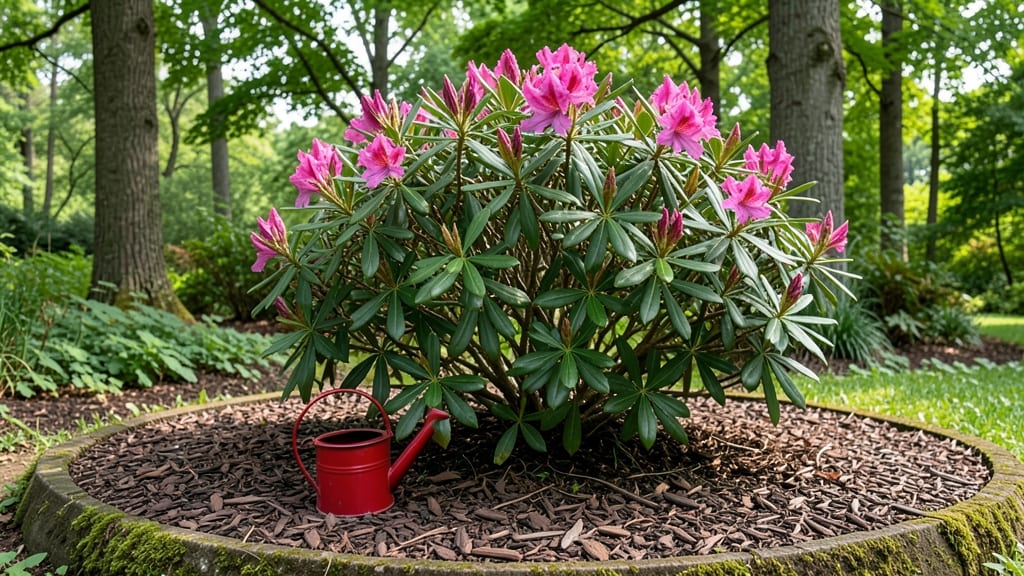
The late-flowering rhododendron bursts into color when most gardens have gone quiet, transforming my late-spring yard from dull to dazzling with weeks-long blooms. The secret lies in their timing—these aren’t your typical spring show-offs.
These late bloomers thrive in cooler climates but adapt surprisingly well to hotter zones if you pick the right spot—morning sun with afternoon shade is key. They reward patience with vibrant pinks, purples, and whites that keep coming even as temperatures rise.
Unlike early rhododendrons, they’re built for extended bloom periods, often lasting into early summer.
To encourage more flowers, prune lightly after blooming and keep the soil moist but not soggy. Mulch helps regulate temperature, and a slow-release fertilizer in early spring sets them up for their big show. The payoff? A garden that stays lively when others fade.
Perfect for gardeners who love color but hate seasonal monotony. These shrubs prove late bloomers can steal the spotlight—and your neighbors’ attention. Here’s how to make them shine in your yard.
📚 In This Guide
- What you need
- Instructions
- Tips and common mistakes
- Wrapping up and next steps
What you need
- ● Late-flowering rhododendron plants: Choose Rhododendron varieties like ‘PJM,’ ‘Cavendishii,’ or ‘Nova Zembla’ (1–3 plants, depending on desired size). Opt for 3–5 gallon containers for mature plants or 1-gallon pots for younger specimens.
- ● Well-draining acidic soil: Mix 50% native soil with 50% peat moss or pine bark fines (avoid clay-heavy soils). Aim for a pH of 4.5–6.0 (test with a soil pH kit).
- ● Organic mulch: 3–4 inches of pine needles, wood chips, or bark mulch to retain moisture and acidify soil over time.
- ● Slow-release fertilizer: A balanced, acidic fertilizer (e.g., 10-10-10 or 12-4-8) with micronutrients like iron and magnesium (apply in early spring).
- ● Garden tools: Trowel or spade (for digging)
- ● Garden gloves (to protect hands from thorns)
- ● Pruners (sterilized with rubbing alcohol)
- ● Watering can or hose with a gentle spray nozzle
- ○ Optional (but helpful) extras: Soil moisture meter (to monitor hydration)
- ● Epsom salt (for magnesium boosts if leaves yellow)
- ● Fungicide (e.g., copper-based spray for powdery mildew prevention)
- ● Stakes or cages (if planting in windy areas)
- ● Sunlight: Partial shade (3–6 hours of morning sun)—avoid harsh afternoon rays.
- ● Water access: A drip irrigation system or consistent watering schedule (keep soil evenly moist but not soggy).
- ● Protection: Shelter from strong winds (use a windbreak if needed).
Step-by-Step guide for planting and caring for late flowering rhododendrons
Here’s how to cultivate these stunning late-season bloomers for maximum impact.
Select the Perfect Planting Location
Late flowering rhododendrons thrive in partial shade, where they receive morning sun and afternoon dappled light. Avoid full sun, which scorches delicate blooms, or deep shade, which weakens growth. Test your spot by observing how sunlight shifts through the day—ideal locations mimic the dappled light of a woodland understory.
Soil pH is critical—these plants demand acidic conditions between 4.5 and 6.0. Test your soil with a kit before planting. If your soil is alkaline, amend it with 2-3 inches of peat moss or sulfur mixed into the top 12 inches of soil. Mulch heavily with pine needles or shredded bark to maintain acidity and retain moisture.
Prepare the Planting Site with Acidic Soil
Dig a hole twice as wide as the root ball but no deeper—planting too deep suffocates roots. Loosen the sides of the hole to encourage root spread. If your soil is heavy clay, blend in 1 part peat moss or compost with 2 parts native soil to improve drainage while keeping acidity levels stable.
Remove the rhododendron from its container and tease the roots gently if they’re circling. Place the plant in the hole so the top of the root ball sits 1 inch above ground level—this prevents waterlogging. Backfill with the amended soil, pressing lightly to eliminate air pockets. Water deeply to settle the soil around the roots.
Water and Mulch for Optimal Growth
Water immediately after planting to soak the root zone thoroughly. Rhododendrons prefer consistently moist but never soggy soil. Check moisture weekly by inserting your finger 2 inches deep—water when the soil feels dry. Avoid overhead watering, which can damage blooms; instead, use a soaker hose or drip irrigation at the base.
Apply a 3-inch layer of acidic mulch (pine straw, cedar chips, or oak leaves) around the plant, keeping it 6 inches away from the stem. Mulch conserves moisture, regulates soil temperature, and slowly releases organic matter as it breaks down. Refresh the mulch annually to maintain its benefits.
Fertilize and Prune for Late-Season Blooms
Feed rhododendrons in early spring with a slow-release, acid-loving plant fertilizer (look for one with high nitrogen and micronutrients). Avoid high-phosphorus fertilizers, which can harm roots. In late summer, apply a low-nitrogen, high-potassium fertilizer to encourage strong fall blooms and prepare for winter.
Prune immediately after flowering to shape the plant and remove spent blooms. Cut back dead or crossing branches to improve airflow and reduce disease risk. Never prune in late fall or winter—this exposes tender growth to cold damage. Aim for an open, vase-like shape to maximize light penetration and future blooms.
Protect and Maintain Through Winter
Late flowering rhododendrons are hardy but benefit from winter protection in colder climates. Apply a 4-inch layer of mulch around the base in late fall to insulate roots. In Zone 5 or colder, wrap the plant in burlap or frost cloth if temperatures dip below -10°F for extended periods.
Monitor for winter burn—brown edges on leaves indicate dry air or cold winds. If this occurs, mist the plant lightly on mild winter days to prevent further damage. Resume regular watering in early spring as new growth emerges, and avoid fertilizing until you see active leaf expansion.
Tips & tricks for perfect late flowering rhododendrons
These insights will help you cultivate vibrant late-season blooms that truly stand out in your garden.
Soil Preparation Insight: When amending your soil with peat moss or sulfur to achieve that critical 4.5-6.0 pH range, work it into the top 12 inches of soil thoroughly. I've found that using a soil probe to test pH at multiple points in the amended area ensures consistent acidity throughout the root zone. For heavy clay soils, the 1:2 ratio of peat moss/compost to native soil is essential—this prevents compaction while maintaining proper drainage that rhododendrons demand.
Planting Depth Technique: The 1-inch elevation of the root ball above ground level mentioned in Step 2 is crucial for preventing waterlogging. I've seen many gardeners overlook this detail, leading to root suffocation. After planting, gently press the soil around the roots to eliminate air pockets, then water deeply to settle everything. This creates an ideal environment for root establishment without creating anaerobic conditions.
Watering Strategy: The 2-inch deep moisture check is your best friend for maintaining proper soil moisture. I recommend establishing a watering schedule that delivers 1-1.5 inches of water per week, either through rainfall or irrigation. Using a soaker hose or drip system at the base of the plant ensures water reaches the roots without wetting the foliage, which can promote fungal diseases. This method also helps maintain that delicate balance between consistently moist and never soggy soil conditions.
Winter Protection: When applying that 4-inch layer of mulch in late fall, consider using a combination of pine straw and cedar chips for best results. The pine straw provides excellent moisture retention while the cedar chips offer additional insulation. In Zone 5 or colder, I've found that wrapping the plant with burlap creates a microclimate that can protect against temperatures dipping below -10°F. Just remember to secure the wrap loosely to allow for some airflow and prevent moisture buildup that could lead to rot.
Pro Tips for Late Flowering Rhododendron
- These insights will help you cultivate vibrant late-season blooms that truly stand out in your garden.
- Soil Preparation Insight: When amending your soil with peat moss or sulfur to achieve that critical 4.5-6.0 pH range, work it into the top 12 inches of soil thoroughly.
- Planting Depth Technique: The 1-inch elevation of the root ball above ground level mentioned in Step 2 is crucial for preventing waterlogging.
Frequently asked questions
Got questions about keeping your garden vibrant with late-flowering rhododendrons? You’re not alone! Here are some of the most common queries—and their answers—to help you grow with confidence.
Why do some rhododendrons bloom so late in the season?
Late-flowering rhododendrons (like Rhododendron ‘Roseum Elegans’ or Rhododendron ‘PJM’) are bred or native to regions with cooler summers. Their buds stay dormant longer, waiting for shorter daylight or lower temperatures to trigger blooms—often in late spring or early fall. This adaptation helps them escape late frost damage and thrive in specific climates.
How can I encourage my rhododendron to bloom later in the season?
To coax late blooms, focus on consistent moisture (but avoid soggy roots) and partial shade (especially in hotter climates). Prune after flowering to avoid cutting off next year’s buds. For stubborn late bloomers, a light fertilizer in early spring (with acidic, slow-release granules) can boost vigor. Patience is key!
What should I do if my late-flowering rhododendron isn’t blooming at all?
Check these common culprits:
- Age: Young plants (under 3–5 years) may not bloom yet.
- Light: Too much sun can stress buds—ensure morning sun + afternoon shade.
- Soil pH: Test for acidity (4.5–6.0). Amend with pine needles or sulfur if needed.
- Over-fertilizing: Too much nitrogen = leafy growth, fewer flowers.
Are late-flowering rhododendrons good for fall color?
While their flowers are the star, many late bloomers (like Rhododendron ‘Catawbiense Grandiflorum’) also deliver stunning fall foliage in fiery reds, oranges, or purples. Pair them with maples or azaleas for a season-long show. Plus, their evergreen leaves add winter structure.
Can I grow late-flowering rhododendrons in hot, dry climates?
Yes, but with adjustments! Choose heat-tolerant varieties like Rhododendron ‘Carolina Ruby’ or ‘Broughton’. Mulch heavily (3–4 inches of pine bark or wood chips) to retain moisture, and water deeply 2–3 times per week during droughts. Mist leaves on scorching days to prevent bud drop.
Pro Tip: Deadheading spent blooms (gently twist or snip) can redirect energy to next year’s flowers—but skip this if you want seed pods for winter interest!
Wrapping up and next steps
Late-flowering rhododendrons are a game-changer for gardeners craving vibrant color as summer fades into fall! 🌿 With the right variety—like 'PJM' or 'Nova Zembla'—you can enjoy stunning blooms well into October, defying the typical seasonal slump.
These hardy shrubs also bring year-round interest with their glossy foliage and adaptability to various climates.
Ready to transform your garden? Start by selecting a variety that thrives in your zone, then give it the care it deserves—pruning, mulching, and proper sunlight will set you up for success. Grab your gloves and get planting—your late-season garden oasis is just a few steps away! 🌸