
Advice
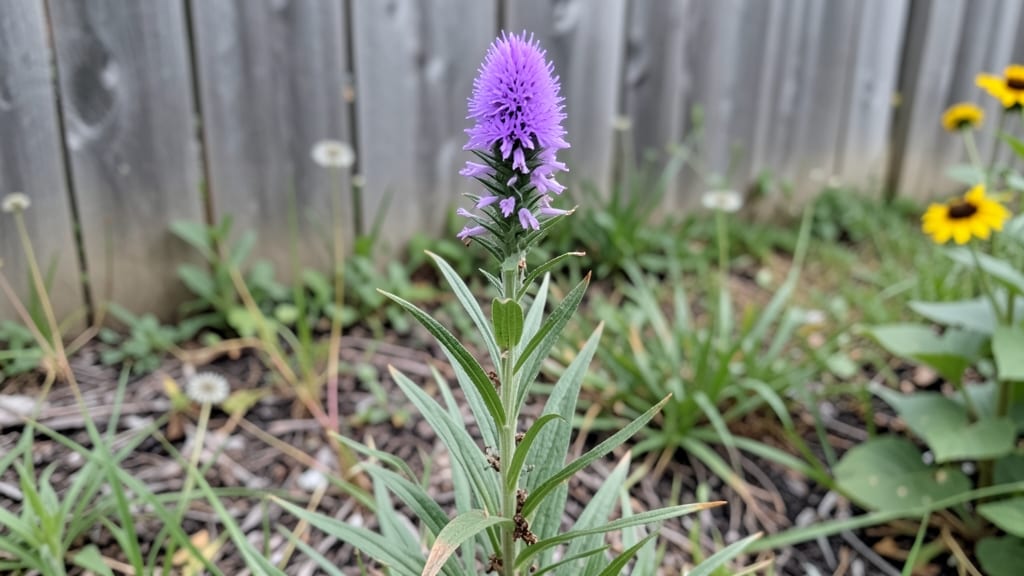
The liatris flowering time is your secret weapon for a late-summer garden that hums with life 🌸 — but only if you know when to expect those signature purple plumes.
Picture this: you’ve spent months nurturing your Blazing Star, only to wonder why it’s not blooming when your neighbors’ gardens are already buzzing with pollinators. The truth is, timing is everything, and missing the window means missing the magic.
Liatris thrives in USDA Zone 6a and beyond, with blooms typically appearing between July and September, depending on your region. Planting in early spring (March–April) sets the stage for that showstopping display, but getting the details right—like soil prep and sunlight—can shift your blooming timeline by weeks.
In this guide, I’ll break down the exact month-by-month schedule, regional tweaks, and pro tips to extend those blooms longer than ever. Whether you’re planning companion plants or just want to time your garden visits right, you’ll know exactly when to expect—and celebrate—that first flush of purple.
When does liatris bloom? Exact month-by-month flowering timeline
If you're planning your late-summer garden, knowing the exact liatris flowering time is essential. These striking purple plumes typically bloom between July and September, but the timing varies by variety and region. Understanding these differences helps you create a pollinator-friendly garden that thrives all season long.
For gardeners in USDA Zones 4-9, liatris generally follows a predictable blooming schedule. However, cooler northern climates may see blooms shift slightly earlier, while warmer southern regions might enjoy extended flowering. Let’s break down the month-by-month timeline for the most popular varieties.
🌱
| Variety | Peak Bloom Months | Regional Variations | Pre-Bloom Indicators |
|---|---|---|---|
| Liatris spicata (Blazing Star) | Late July - Early September | Northern zones: Early July; Southern zones: August-September | Tall stems (2-4 ft) with tight buds forming at top |
| Liatris pycnostachya (Prairie Blazing Star) | Mid-August - Mid-September | Drought-prone areas: Blooms later; Humid regions: Earlier | Compact growth (1-2 ft) with dense flower spikes |
| Liatris elegans (Elegant Blazing Star) | Early August - Late August | Coastal areas: Extended blooming; Inland: Shorter window | Slender stems (1-3 ft) with delicate purple plumes |
| Liatris spicata 'Kobold' (Dwarf Blazing Star) | Late July - Early August | Container gardens: Earlier blooms; Ground plantings: Standard | Low-growing (1-1.5 ft) with tightly clustered buds |
Each variety of liatris has its own unique flowering window, but they all share one key trait: they bloom in late summer when many other perennials are winding down. This makes them a standout feature in your garden during the dog days of July and August.
To predict when your liatris will bloom, watch for pre-bloom indicators like tall stems and tight buds forming at the top. In cooler climates, these signs may appear earlier, while warmer regions might see delayed bud formation.
For example, in USDA Zone 5, Liatris spicata often starts blooming in late July, whereas in Zone 9, it might not peak until September.
Once the buds open, you’ll notice purple plumes that attract butterflies, bees, and hummingbirds. These blooms typically last 3-4 weeks per variety, but with proper care, you can extend their lifespan. Deadheading spent blooms encourages secondary flowering in some varieties, especially Liatris pycnostachya.
After flowering, liatris enters a dormant phase in late fall. The foliage will die back, but the roots remain active underground. This is the perfect time to cut back dead stems to about 2 inches above the soil line, preparing the plant for next year’s growth.
If your liatris blooms earlier or later than expected, it could signal environmental stress. Overwatering or poor drainage might delay blooming, while full sun exposure and well-draining soil encourage timely flowering. In drought-prone areas, liatris may bloom later to conserve energy, so adjust your watering schedule accordingly.
For gardeners in coastal regions, the humidity levels can also impact blooming time. Higher humidity may lead to earlier blooms, while drier inland climates might see a slightly delayed start. Always monitor your plants and adjust care based on your local climate conditions.
By understanding the month-by-month flowering timeline for your specific liatris variety, you can plan companion plants to create a continuous bloom from early summer through fall. Pairing liatris with black-eyed Susans or cone flowers ensures your garden stays vibrant all season long.
How to extend liatris flowering time with proven gardening hacks
Want your liatris to bloom longer and brighter? The secret lies in understanding its needs—from soil prep to watering schedules. By tweaking just a few factors, you can transform a 3-week bloom into a stunning 6-week display.
Let’s dive into the science-backed hacks that’ll keep your blazing star flowering like never before.
First, focus on well-draining soil with a slightly alkaline pH (6.5-7.5). Liatris thrives in sandy or loamy soil, so amend heavy clay with compost or perlite.
This ensures roots stay healthy and nutrient uptake is optimal—key for prolonged blooming. Avoid waterlogged soil, as it stresses the plant and shortens flowering time.
- 1 Deadhead spent blooms weekly to encourage new flower spikes. Use clean pruners and cut back to 1/3 of the plant’s height after blooming to promote next year’s growth.
- 2 Water deeply but infrequently—aim for 1 inch per week during dry spells. Morning watering prevents fungal diseases and keeps blooms vibrant longer.
- 3 Plant companion plants like black-eyed Susans or salvia to attract pollinators, which boosts flowering longevity. Avoid overcrowding—liatris needs 12-18 inches of space.
- 4 Fertilize lightly in spring with a balanced 10-10-10 formula. Over-fertilizing leads to leafy growth over blooms—stick to 1 tbsp per plant.
- 5 Mulch with 2-3 inches of straw to retain moisture and regulate soil temperature. This reduces stress and extends the blooming season by 2-3 weeks.
Troubleshooting early or late blooming? Check your sunlight exposure—liatris needs 6+ hours of full sun daily. If your plants bloom too early, they may be stressed from drought or overcrowded.
Late bloomers often suffer from poor soil drainage or excess nitrogen. Adjust your care routine based on these clues to sync blooming with your garden’s peak season.
For maximum impact, pair liatris with late-summer perennials like coneflowers or sedum. This creates a sequential bloom display that keeps your garden lively from July through September. With these hacks, your liatris won’t just bloom—it’ll thrive.
Pro tip: Divide mature clumps every 3-4 years to rejuvenate growth. This simple step can double your flowering time by ensuring your plants stay vigorous and healthy.