
Blooming
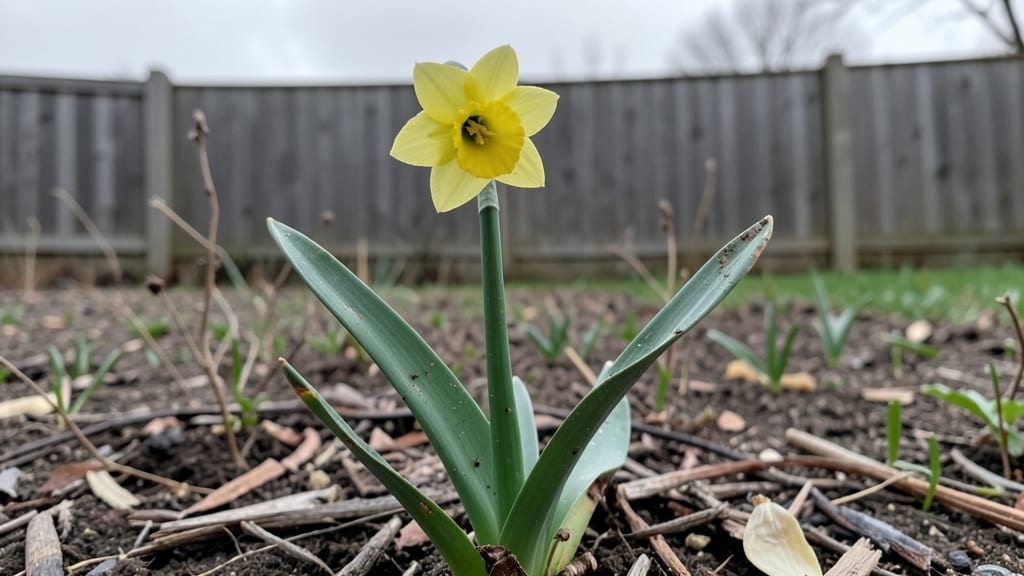
The daffodil flowering time—a vibrant 6-week burst from late winter to early spring—can transform your yard into a golden explosion, but only if you plan ahead.
Wondering why your daffodils refuse to bloom on schedule—or how to coax earlier, more vibrant flowers? Timing is everything when it comes to daffodil flowering, and understanding their natural rhythm can transform your garden from lackluster to spectacular.
Most varieties need 12-15 weeks of chilling below 50°F before they’ll push through the soil, which is why planting in fall (September-November) is key for Zone 6a gardeners. But the right variety and a little extra care can shift that timeline by weeks.
In this guide, I’ll break down the exact month-by-month flowering windows for early, mid-, and late-season daffodils, plus the simple tricks to get them blooming earlier or keeping them vibrant for weeks longer.
When daffodils bloom: month-by-month flowering timeline by variety
Daffodils are nature's cheerful harbingers of spring, but their blooming windows vary dramatically by variety and USDA growing zones. While most people associate them with late winter to early spring, some varieties burst into bloom as early as January in warm climates, while others linger until May.
Understanding these differences lets you create a year-round color show in your garden.
Your local climate plays a huge role in daffodil timing. In Zone 3-5 (cold winters), expect blooms to align closely with average last frost dates, often between March and April.
Meanwhile, Zone 7-9 gardeners may see daffodils flowering as early as January or as late as May, depending on the variety. Even within the same region, microclimates can shift bloom times by weeks.
Here's how to plan your garden around these natural rhythms, with a focus on the most popular varieties that gardeners in the US grow:
🌼