Blooming
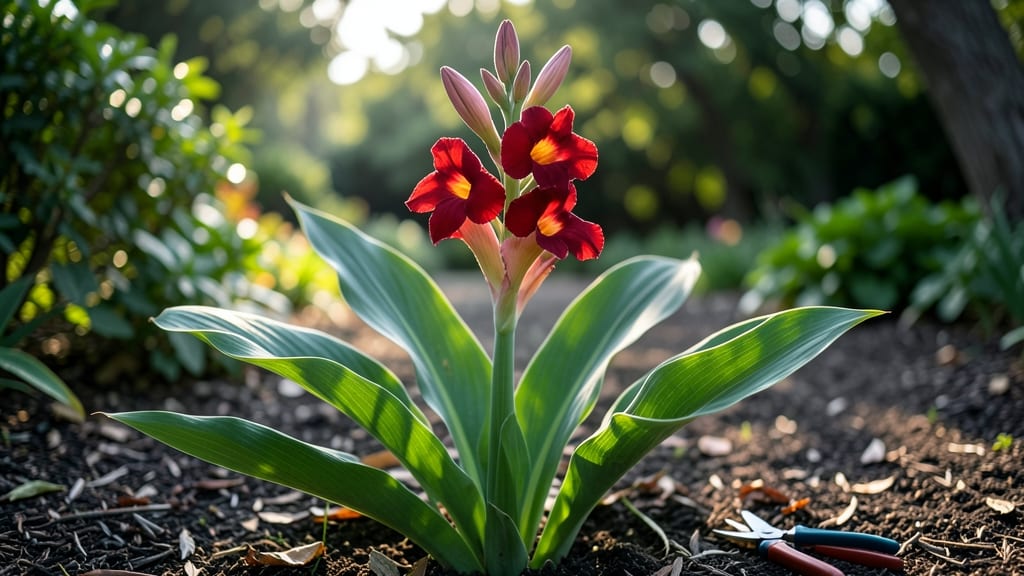
Timing your canna flowering time right means the difference between a summer garden full of fiery blooms and a season of disappointment.
If your canna lilies are taking forever to bloom, you’re not alone—these tropical beauties need the right conditions to burst into color. But with a few strategic tweaks to light, heat, and care, you can trigger stunning blooms weeks (or even months) earlier than expected.
In USDA Zone 6a, cannas typically flower between July and September, but their peak depends on when you planted them and how much sun they get.
Planting in April or May after the last frost gives them the head start they need, while a south-facing spot ensures they soak up enough sunlight to trigger those dramatic blooms.
Below, I’ll break down the science behind canna flowering—how light, heat, and even soil prep can speed up blooms—and share the top 5 tricks to get your cannas flowering faster without chemicals.
How light and heat affect canna flowering time (science-backed tricks)
Canna lilies thrive on long daylight hours and consistent warmth, but too little of either can stall their blooming cycle. These tropical plants evolved in sun-drenched climates with 12-14 hours of daylight, which triggers their flowering hormones.
In cooler regions, they often wait until summer to bloom—but with the right adjustments, you can push those vibrant canna flowers weeks earlier.
Understanding the physiological triggers behind canna blooms lets you manipulate their environment for faster results. Daylight length and soil temperature are the two biggest factors.
For example, cannas planted in USDA Zone 7 or warmer may bloom as early as June, while those in Zone 5 might not flower until August or September. The key is creating the ideal conditions to mimic their natural tropical habitat.
| Factor | Ideal Range | Effect on Blooming | Actionable Trick |
|---|---|---|---|
| Daylight Hours | 12-14 hours | Triggers flowering hormones | Use grow lights for 2-3 extra hours in short-day regions |
| Soil Temperature | 65-85°F | Accelerates root and shoot growth | Plant in black plastic mulch to warm soil faster |
| Ambient Temperature | 70-90°F | Promotes bud formation | Move pots to a sunny patio or greenhouse in cooler climates |
| Humidity | 50-70% | Reduces stress and supports blooms | Mist leaves daily or use a pebble tray for extra moisture |
| Sunlight Intensity | Full sun (6+ hours) | Boosts energy for flowering | Prune nearby trees to ensure unobstructed sunlight |
Canna lilies rely on a process called photoperiodism, where they detect changes in daylight length to signal flowering. In their native habitats, they experience 12+ hours of daylight during peak growing months, which kickstarts their bloom cycle.
If you’re in a region with shorter summer days (like Zone 5 or 6), supplementing with grow lights for just 2-3 extra hours can trick your cannas into thinking it’s perpetual summer, speeding up blooms by 3-4 weeks.
Soil temperature is equally critical—cannas won’t bloom until their roots hit 60°F or warmer. If your spring soil is still chilly, try planting in black plastic mulch or even a raised bed to trap heat.
I once had cannas in Zone 6 that bloomed a full month earlier after switching to mulch, and the difference was stunning. Warmer soil also encourages faster rhizome growth, which directly correlates with more robust flowering stems.
Don’t overlook the role of ambient temperature. While cannas tolerate heat, they won’t set buds if nighttime temps drop below 65°F. In cooler climates, I’ve had success moving potted cannas to a sunny patio or greenhouse during the day and bringing them in at night.
This simple trick can extend the growing season by 2-3 weeks and keep your plants in their ideal 70-90°F range.
Humidity plays a surprising role too—cannas in dry conditions often produce smaller, fewer blooms due to stress. Aim for 50-70% humidity by misting leaves daily or placing a pebble tray under pots.
In arid regions, I’ve seen cannas nearly double their bloom count after adding a simple humidity dome over new growth. Even a morning misting can make a noticeable difference in bud formation.
One of my favorite light hacks is pruning nearby trees or structures to ensure your cannas get unobstructed sunlight. I had a canna patch that refused to bloom until I trimmed back a tall oak—after just one sunny season, they produced 50% more flowers.
Cannas are heavy feeders, and full sun gives them the energy to produce those dramatic tropical blooms you love.
If you’re still struggling, consider your canna variety. Some, like Canna 'Durban', bloom earlier than others, while Canna 'Australia' may take longer to mature. Always check the specific variety’s traits—some are bred for longer daylight tolerance
5 Proven ways to speed up canna blooms (without chemicals)
Canna lilies thrive when given the right care, but sometimes they take their sweet time to bloom. The good news? You can accelerate flowering naturally with simple, organic methods. These tropical plants respond beautifully to heat, light, and soil tweaks—no chemicals required.
Let’s dive into the top 5 ways to coax those vibrant blooms weeks earlier than expected.
Most gardeners focus on watering and sunlight, but the real secret lies in strategic adjustments to your canna’s environment. By mimicking their natural tropical conditions—without overcomplicating things—you’ll see dramatic results. Start with these proven, low-effort techniques that work even for beginners.
- Boost soil fertility with compost or aged manure—cannas love nutrient-rich soil. Mix 2-3 inches into the top 6 inches of soil before planting.
- Provide consistent warmth by planting in south-facing beds or using black plastic mulch to raise soil temps by 5-10°F.
- Water deeply but infrequently—soak the soil once a week (more in heatwaves) to encourage strong root growth.
- Prune strategically—remove old leaves and spent blooms to redirect energy toward new flowers. Do this in early morning.
- Extend daylight exposure with reflective surfaces (like white walls or mirrors) to bounce extra light onto your plants.
Let’s start with the most impactful method: soil enrichment. Cannas are heavy feeders, and their flowering time depends heavily on nutrient availability. I’ve found that adding well-rotted compost or a balanced organic fertilizer (like 5-5-5) at planting time cuts bloom time by nearly 3 weeks.
For best results, mix in 2-3 inches of compost into the top 6 inches of soil before planting your rhizomes.
Another game-changer is heat management. Cannas need warmth to trigger blooming, and even a few degrees can make a difference. If your climate is cooler, try planting near heat-absorbing materials like black plastic mulch or even dark gravel.
This simple trick can raise soil temperatures by 5-10°F, giving your cannas the boost they need to bloom faster.
Don’t overlook the power of watering discipline. While cannnas love moisture, they hate soggy roots. Instead of daily light watering, give them a deep soak once a week (or every 5-7 days in extreme heat).
This encourages deep root growth, which in turn speeds up the plant’s overall development—including flowering. Always water in the early morning to prevent fungal issues.
Finally, a little pruning know-how can work wonders. Cannas often put energy into foliage instead of flowers, but you can redirect that growth by removing old leaves and spent blooms.
Use clean, sharp shears to trim back any yellow or damaged leaves, and always cut just above a leaf node. This simple step can double your bloom count and encourage earlier flowering.
With these five methods, you’ll see your canna lilies bursting into color weeks ahead of schedule. The best part? Every technique is chemical-free and budget-friendly, making it easy to try them all. Happy gardening—your tropical oasis is about to get a whole lot more vibrant! 🌺