
Flowers
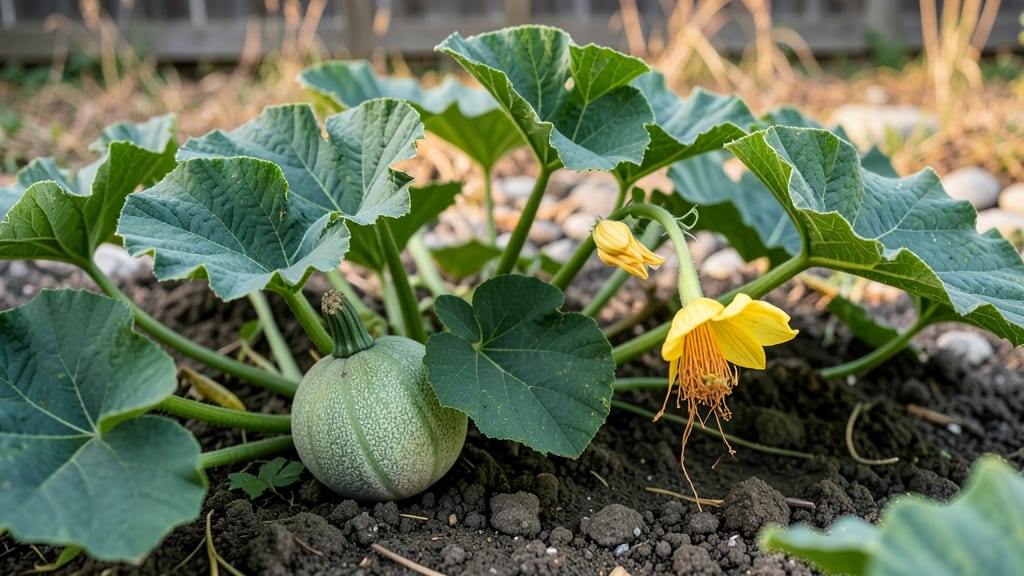
To identify pumpkin flower gender, look for male flowers on long stems without fruit behind them, while female flowers feature a small pumpkin or bulb at their base. This distinction directly impacts pollination success and fruit development in pumpkin plants.
Recognizing these differences is your first step toward a thriving pumpkin patch. Male flowers focus solely on producing pollen, while female flowers contain the ovary that will develop into fruit. 🌱 The tiny bulb at the base of female flowers is actually the ovary swelling—this is where pollination happens.
I’ve found that gardeners who understand this distinction can dramatically improve their harvest by hand-pollinating when bees are scarce, especially in early morning when flowers are freshest.
This gender-based structure isn’t just about aesthetics—it’s the biological mechanism that ensures pumpkin plants reproduce efficiently. The male flowers release pollen that must reach the female flowers for fertilization to occur.
Without this process, you’ll see plenty of blooms but little to no fruit development. Understanding these parts helps you troubleshoot common issues like poor fruit set or stunted growth.
💡 In This Article
- Key Differences Between Male and Female Pumpkin Flowers
- How to Boost Pollination for Bigger Pumpkin Harvests
Key differences between male and female pumpkin flowers
Male pumpkin flowers are all about pollen production, featuring a long, slender stem (often 12-18 inches) that positions the flower away from the vine. Their reproductive organs consist solely of stamens—the male parts—with five prominent yellow petals surrounding a center packed with pollen-producing anthers.
These flowers lack any ovary structure, making them easily identifiable by their clean, stem-only base. The pollen they produce is light and powdery, designed to be carried by wind or pollinators to female flowers.
Female flowers, on the other hand, have a shorter stem (typically 3-6 inches) and immediately reveal their purpose with a small, bulbous ovary at their base. This ovary is the precursor to your pumpkin fruit, and it's often visible as a tiny, pea-sized bump when the flower first opens.
The center contains the pistil, including the stigma (the pollen-receptive surface) and style (the tube connecting stigma to ovary). The petals are slightly larger and more robust than male flowers, often appearing slightly more cupped to protect the developing ovary.
Here's what's actually happening biologically: male flowers prioritize pollen dispersal, while female flowers focus on receiving pollen and developing fruit. The ovary in female flowers contains ovules that, once fertilized by pollen, will grow into seeds and eventually the pumpkin itself.
This division of labor is why you'll often see male flowers appearing first in the season—they need to establish a pollen supply before female flowers open to receive it. 🌸 The timing difference helps ensure optimal pollination efficiency.
The stem length difference isn't random—it's an evolutionary adaptation. Male flowers' long stems position them higher in the plant where wind can more easily carry pollen, while female flowers' shorter stems keep their delicate ovaries protected near the main vine.
This positioning also makes female flowers more accessible to pollinators like bees, who can more easily reach the nectar and transfer pollen. In my garden, I've noticed that female flowers often appear in clusters along the main vine, while male flowers tend to grow on lateral branches.
Visual identification becomes especially important when hand-pollinating. The tiny ovary bump on female flowers serves as your target—this is where you want to transfer pollen from male flowers. Without this structure, you're looking at a male flower that won't develop fruit regardless of how much pollen it receives.
The contrast between the clean stem of male flowers and the bulbous base of female flowers is your quick field guide to understanding which flowers will produce your harvest.
What most people don't realize is how this gender difference affects your gardening strategy. If you're growing pumpkins for seed production, you might want to remove some male flowers to encourage the plant to focus its energy on developing a few high-quality female flowers.
Conversely, if you're growing for maximum pollination (like in commercial settings), you'd want to preserve all male flowers to ensure ample pollen supply. This biological balance is what determines whether you'll end up with a handful of giant pumpkins or dozens of smaller ones.