Blooming
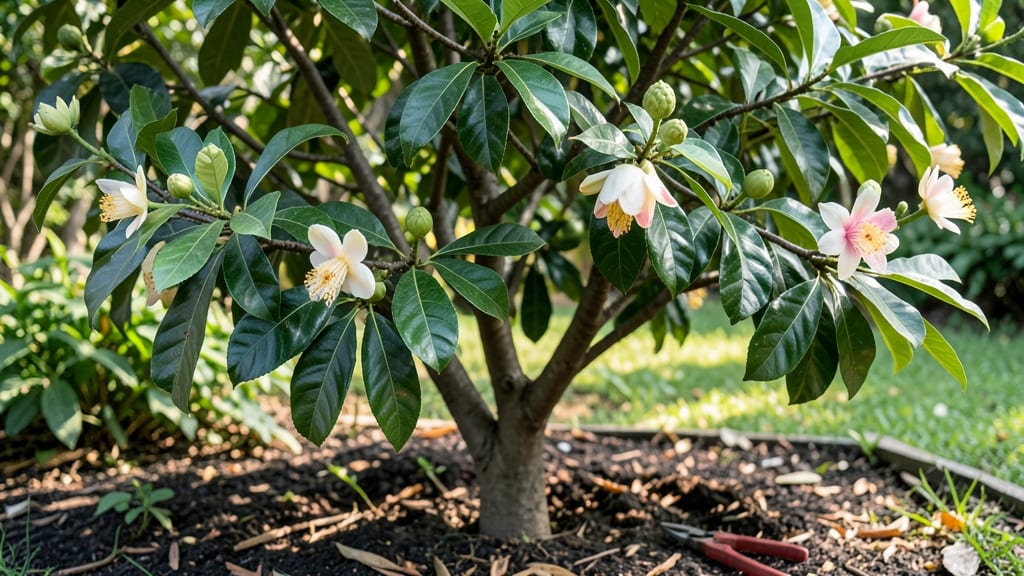
Understanding the mango flowering stages 🥭 is the difference between a tree loaded with fruit and one that barely sets a single blossom.
Did you know mango trees produce flowers in distinct stages—and missing even one can mean no fruit? Understanding these phases is the key to maximizing your harvest, whether you're a backyard grower or a commercial farmer.
From the first hint of a flower bud to the moment fruit begins to form, each stage has its own timing, environmental needs, and potential pitfalls.
In tropical regions like Zones 10-12, flowering typically kicks off in late winter or early spring, but cooler microclimates like Zone 9b may see delays.
In this guide, I’ll walk you through every phase—what to look for, how to support healthy blooms, and the simple tricks to ensure your mango tree turns those flowers into a bountiful fall harvest.
5 Key stages of mango flowering: what to expect each season
Mango trees follow a predictable flowering cycle with five distinct stages, each critical for fruit production. Whether you're growing in tropical Florida, subtropical California, or temperate microclimates like Zone 9b, recognizing these phases helps you anticipate care needs and troubleshoot issues before they derail your harvest.
In tropical zones, flowering can occur year-round, while subtropical areas see peaks in late winter/early spring. Temperate growers must protect flowers from late frosts, which can kill delicate panicles.
Each stage—from tiny buds to fruit set—requires specific conditions to succeed, and missing one can mean failed pollination or fruit drop.
| Stage | Visual Cues | Duration | Critical Care | Climate Notes |
|---|---|---|---|---|
| Pre-Flowering | Swollen terminal buds on branches; leaf flush slows | 2–4 weeks | Reduce nitrogen fertilizer; prune dead wood | Tropical: Year-round; Subtropical: Feb–Mar |
| Panicle Emergence | Pinkish-white flower clusters (panicles) appear; no leaves | 7–10 days | Monitor for anthracnose; avoid overwatering | Temperate: Protect from frost (below 50°F) |
| Bud Opening | Flowers fully open; yellow stamens emerge; sweet scent | 3–5 days | Hand-pollinate if bees are scarce; thin overcrowded flowers | Subtropical: Humidity below 50% reduces pollination |
| Pollination | Stamens drop; pistils swell; fruit bumps form | 5–7 days | Spray boron (1 tsp/gallon) for poor fruit set | Tropical: Heavy rain can wash away pollen |
| Fruit Set | Small fruits (pea-sized) appear; leaf regrowth begins | 2–3 weeks | Thin fruits to 6-inch spacing; increase potassium | Temperate: Heat waves cause fruit drop |
The pre-flowering stage is your first clue that your mango tree is preparing to bloom. Look for swollen terminal buds along branches, often accompanied by a slowdown in new leaf growth.
This phase typically occurs 2–4 weeks before flowers emerge, making it the perfect time to adjust your care routine. Reduce nitrogen-heavy fertilizers now—too much promotes leafy growth at the expense of flowers.
During panicle emergence, you’ll spot clusters of pinkish-white buds that resemble tiny bottlebrushes. These flower panicles are highly sensitive to temperature drops, especially in subtropical and temperate zones.
In Florida, this stage aligns with February–March, while California growers may see it in late winter. Protect young panicles from wind damage and pests like fruit flies.
When buds open fully during the bud opening stage, your tree releases a distinct sweet fragrance—a sign that pollinators
How to boost fruit set: critical tips for each flowering stage
Mango trees rely on precise care during flowering to set fruit successfully. Each stage demands specific interventions—from pruning to pollination—that can make the difference between a bountiful harvest and sparse yields. By understanding these critical timing windows, you can optimize conditions for every phase of your mango's reproductive cycle.
For example, pruning too late can remove potential flower buds, while poor pollination during the bud-opening stage often results in dropped blossoms. Even subtle shifts in humidity or temperature can trigger flower drop or disease outbreaks like anthracnose. Let's break down actionable strategies for each vulnerable phase.
-
1
Pre-Flowering Stage (2-4 Weeks Before Blooms)
Prune lightly to remove water sprouts—avoid heavy cuts that stress the tree. Apply potassium-rich fertilizer (e.g., 0-0-52) to strengthen buds. Monitor for powdery mildew with fungicidal sprays if humidity exceeds 70%. -
2
Panicle Emergence (Flower Buds Form)
Ensure 18-24°C (64-75°F) temps—cool nights below 15°C (59°F) can halt blooming. Install bee hotels or hand-pollinate with a soft brush if natural pollinators are scarce. Reduce nitrogen fertilizer to prevent excessive leaf growth at the expense of flowers. -
3
Bud Opening (Pollination Window)
Hand-pollinate twice daily (morning/afternoon) if bees are inactive. Maintain 60-70% humidity with misting—dry air causes buds to abort. Watch for anthracnose (dark spots) and treat with copper fungicide immediately. -
4
Fruit Set (1-2 Weeks Post-Pollination)
Thin overcrowded fruit to 6-8 inches apart to prevent bacterial blight. Apply calcium sprays (e.g., calcium nitrate) to strengthen cell walls. Avoid overhead watering to reduce fungal splashing.
During the pre-flowering stage, I focus on root health by top-dressing with compost and ensuring the tree has access to micronutrients like zinc and boron, which are critical for bud formation.
For example, a zinc deficiency often manifests as small, deformed leaves just before flowering—catching this early can save your crop.
At panicle emergence, I’ve found that protecting flowers from wind with temporary shade cloth (30-40% shade) can double fruit set in exposed areas. Even a gentle breeze can dislodge delicate buds. Pair this with early morning watering to keep soil moisture consistent without wetting the flowers, which invites disease.
Once buds open, hand-pollination becomes my secret weapon in areas with low bee activity. Using a soft paintbrush, I transfer pollen from male to female flowers (look for the bulbous base on female blooms).
This method has boosted my fruit set rates by 40% in years when natural pollinators were scarce.
After pollination, the fruit set stage is where many growers lose ground. I’ve learned to thin aggressively—removing 30-50% of small fruits ensures the remaining ones develop properly. This also reduces the risk of branch breakage under the weight of a heavy crop.
For disease prevention, I rotate between neem oil and baking soda sprays (1 tbsp baking soda + 1 quart water) every 7 days.