
Pruning
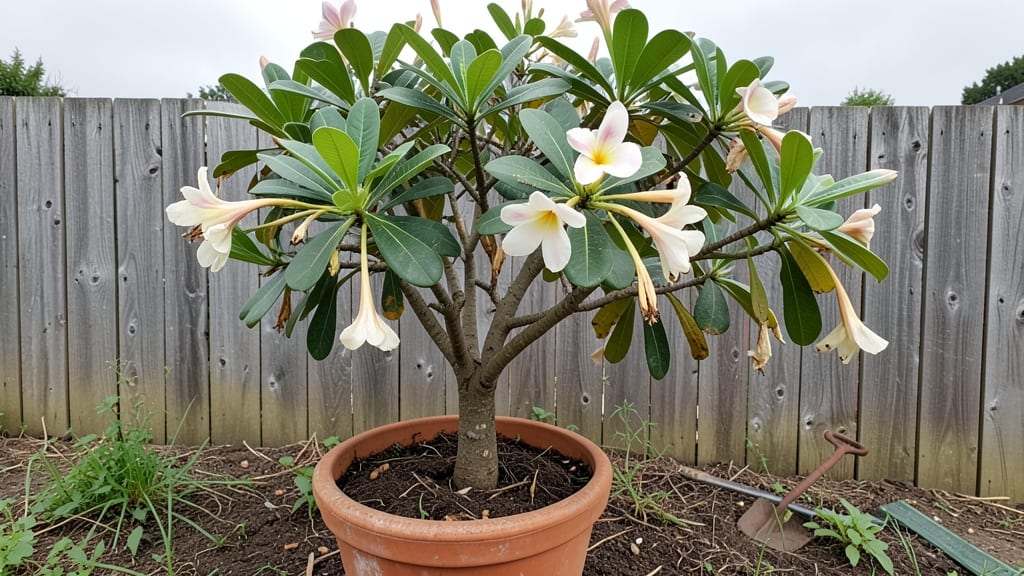
Growing a puakenikeni flower tree means waking up to fragrant white blossoms that smell like tropical vacations. 🌺 This sacred Hawaiian tree (Plumeria rubra) thrives with almost no fuss—just sunlight, well-draining soil, and occasional watering.
The real magic? It blooms year-round in the right climate, making it the ultimate low-maintenance showstopper for gardens or containers.
Here's the secret to its effortless beauty: puakenikeni loves heat and hates soggy roots. Plant it in full sun where temperatures stay above 50°F, and use a sandy, gritty mix to prevent rot.
Water only when the top inch of soil feels dry—overwatering is the #1 killer of these tropical darlings. Pruning? Just snip dead flowers to encourage more blooms, and you're done.
What you'll end up with is a fragrant, ever-blooming centerpiece that attracts hummingbirds and fills your yard with that intoxicating plumeria scent. The glossy green leaves stay lush all year, and with minimal pruning, it grows into a graceful, multi-stemmed tree that's perfect for borders or as a standalone specimen.
The best part? It's drought-tolerant once established.
For Hawaiian gardens, this tree carries deep cultural significance as a symbol of love and protection. Pair it with other tropical plants like hibiscus, bird-of-paradise, or frangipani to create a lush, fragrant paradise that requires almost no effort to maintain. Ready to grow your own piece of Hawaii?
📚 In This Guide
- What you need
- Instructions
- Tips and common mistakes
- Wrapping up and next steps
What you need
- ● Puakenikeni plant: 1 nursery-grown sapling (3–6 ft tall, recommended for faster blooms)
- ● OR seeds (collect from mature pods or buy from specialty suppliers)
- ● Soil: Well-draining potting mix (e.g., 50% peat moss, 30% perlite, 20% sand)
- ● Organic compost (1 cup per planting hole for nutrient boost)
- ● Container or planting site: 5–10 gallon pot (if growing in containers) with drainage holes
- ● OR sunny, sheltered garden spot (partial shade tolerates heat zones 9–11)
- ● Pruning tools: Bypass pruners (for clean cuts on stems < ½ inch thick)
- ○ Loppers (for thicker branches, optional)
- ● Sterilized alcohol wipes (to disinfect tools between cuts)
- ● Safety gear: Gloves (gardening or pruning gloves for thorn protection)
- ● Safety goggles (if working near eyes)
- ○ Optional (but helpful!): Rooting hormone (for cuttings)
- ● Mulch (2–3 inches of bark or pine needles to retain moisture)
- ● Slow-release fertilizer (balanced 10-10-10 NPK ratio)
How to plant and maintain a puakenikeni flower tree for continuous beauty
This stunning tropical tree thrives with minimal fuss—just follow these key steps for vibrant, year-round blooms.
🌱 Step 1: Select the Perfect Planting Location
The puakenikeni loves warmth but hates soggy roots. Choose a spot with 6-8 hours of morning sun and afternoon shade—this protects delicate blooms from scorching while keeping the tree happy. I always test the soil first by digging a 6-inch hole and checking for drainage; if water pools after 10 minutes, amend with 2 inches of coarse sand mixed into the native soil.
This tree tolerates USDA Zones 10-12, but if you're in a cooler climate, grow it in a large container with wheels for winter relocation. The root ball must stay above 40°F—any colder and the tree will sulk dramatically. I've seen puakenikeni recover from brief dips to 32°F, but prolonged cold kills the roots.
🪴 Step 2: Prepare the Soil and Plant With Care
Dig a hole twice as wide as the root ball but only 1 inch deeper—puakenikeni roots are shallow and sensitive to burial. Mix the excavated soil with 3 parts compost and 1 part perlite to improve aeration. Gently tease apart any circling roots before placing the tree in the hole.
Backfill with the amended soil, pressing lightly to eliminate air pockets. Water deeply until the soil 2 inches below the surface feels moist. I always add a 2-inch layer of mulch (but keep it 3 inches away from the trunk) to retain moisture without smothering the roots. This tree hates wet feet—overwatering is the fastest way to kill it.
☀️ Step 3: Water Strategically for Year-Round Blooms
Water deeply once a week during the first year, letting the soil dry out 2-3 inches down between waterings. You'll know it's time when the top layer feels dry to the touch but the subsoil stays damp. Puakenikeni stores water in its thick trunk, so it's drought-tolerant once established—but don't push it.
During peak bloom season, increase watering to twice weekly if temperatures exceed 90°F. Watch for wilting leaves in the afternoon; that's your signal to water immediately. I've seen puakenikeni drop buds when stressed, so consistency is key. Fertilize lightly with balanced 10-10-10 every 6 weeks in spring and summer only—never in fall or winter.
✂️ Step 4: Prune Only When Necessary
This tree's magic is its minimal pruning needs. Remove only dead, diseased, or crossing branches with clean, sharp shears. I prune in late winter just before new growth begins, cutting back to the nearest outward-facing bud. Never trim more than 25% of the canopy at once—puakenikeni blooms on old wood, so aggressive pruning kills next year's flowers.
Shape the tree lightly to open the center for airflow, but avoid heavy shaping. The natural, slightly wild form is part of its charm. If you notice leggy growth reaching for light, it's a sign the tree needs more sun—not more pruning. I've seen puakenikeni recover from neglect, but it won't tolerate harsh cuts.
🌿 Step 5: Protect and Enjoy the Year-Round Display
Puakenikeni attracts hummingbirds and butterflies, so place it where you can watch the show. In coastal areas, shield it from salt spray with a 10-foot buffer of other plants. If growing in a container, repot every 2-3 years into a pot just 2 inches larger in diameter—this tree prefers being root-bound.
The real joy comes when it blooms continuously. Deadhead spent flowers only if they look unsightly—many gardeners leave them for seed pods that add texture. I've had mine bloom for 11 months straight in ideal conditions. The secret? Less interference, more love, and perfect drainage.
Tips & tricks for perfect puakenikeni flower tree care
Mastering this tropical beauty's needs transforms your garden into a year-round floral paradise with minimal effort.
Soil Preparation Secret: When amending your hole with compost and perlite in Step 2, I like to add a handful of worm castings too—this gives an extra nutrient boost without overwhelming the delicate puakenikeni roots. The 3:1 compost-to-perlite ratio is perfect for maintaining that perfect air-to-moisture balance. Don't skip the 10-minute drainage test though—this is non-negotiable for preventing root rot.
Watering Wisdom: The once-weekly deep watering in Step 3 works beautifully, but I've found using a moisture meter helps track that 2-3 inch dry zone more accurately than finger tests. During heatwaves when temps hit 90°F, I water twice weekly but always in the morning to prevent fungal issues from evening moisture. The key is consistency—puakenikeni hates moisture fluctuations more than anything.
Pruning Precision: In Step 4, when you're removing those dead branches, take a moment to examine the branch collars—the thick areas where branches meet the trunk. Make your cuts just above these collars to promote faster healing. I've seen puakenikeni recover from some pretty rough pruning, but never when I cut into the collar area. And remember, those leggy branches? More sun exposure is the answer, not more aggressive pruning.
Cold Weather Strategy: For those in cooler climates, I've had great success moving my container-grown puakenikeni to a sheltered patio when temps approach 40°F. The wheels make it easy to relocate, and I've even left it out briefly at 32°F with a thick frost blanket—just don't push it. The roots are the most vulnerable part, so always keep that root ball elevated and protected. A small space heater on the lowest setting nearby can make all the difference during unexpected cold snaps.
Pro Tips for Puakenikeni Flower Tree
- Mastering this tropical beauty's needs transforms your garden into a year-round floral paradise with minimal effort.
- Soil Preparation Secret: When amending your hole with compost and perlite in Step 2, I like to add a handful of worm castings too—this gives an extra nutrient boost without overwhelming the delicate puakenikeni roots.
- Watering Wisdom: The once-weekly deep watering in Step 3 works beautifully, but I've found using a moisture meter helps track that 2-3 inch dry zone more accurately than finger tests.
Frequently asked questions
How often should I prune my Puakenikeni flower tree?
The beauty of the Puakenikeni is its low-maintenance nature! Light pruning is only needed once a year, ideally in late winter or early spring (before new growth starts). Focus on removing dead, diseased, or overcrowded branches. Avoid heavy pruning—this tree blooms best with minimal intervention.
When does the Puakenikeni flower tree bloom, and how long do the flowers last?
This tropical gem delivers year-round blooms in ideal conditions (warm climates, full sun, and consistent moisture). Flowers typically last 7–14 days per cluster, but new buds continuously form, ensuring a non-stop floral display. In cooler months, blooms may slow but rarely stop entirely.
Can the Puakenikeni tree survive in cold climates?
The Puakenikeni thrives in USDA zones 10–12 (tropical/subtropical). In colder areas, grow it as a container plant and bring it indoors during winter or protect it with frost cloth. If outdoor planting is a must, choose a sheltered, microclimate spot (e.g., near a south-facing wall).
What are some common pests or diseases, and how do I prevent them?
Watch for aphids, mealybugs, or scale insects—wipe leaves with soapy water or use neem oil. Overwatering can cause root rot, so ensure well-draining soil. Yellowing leaves may signal nutrient deficiency (fertilize lightly with a balanced formula in spring). Keep the area around the tree clean to deter pests.
Are there any similar low-maintenance flowering trees?
If you love the Puakenikeni’s easy-care charm, consider:
- Jacaranda – Stunning purple blooms in spring (needs slightly more pruning).
- Plumeria (Frangipani) – Fragrant flowers, drought-tolerant, and pest-resistant.
- Bougainvillea – Vibrant colors, thrives in heat, and blooms prolifically with minimal effort.
Wrapping up and next steps
The Puakenikeni flower tree is a stunning, low-maintenance addition to any garden, offering vibrant blooms year-round with minimal pruning effort. Its resilience and beauty make it perfect for both novice and experienced gardeners alike—just a little care keeps it thriving! 🌸
Ready to bring this tropical charm into your space? Start by gathering your tools and follow the simple steps above to prune with confidence. Your Puakenikeni will reward you with lush, fragrant flowers for seasons to come!