Shrubs
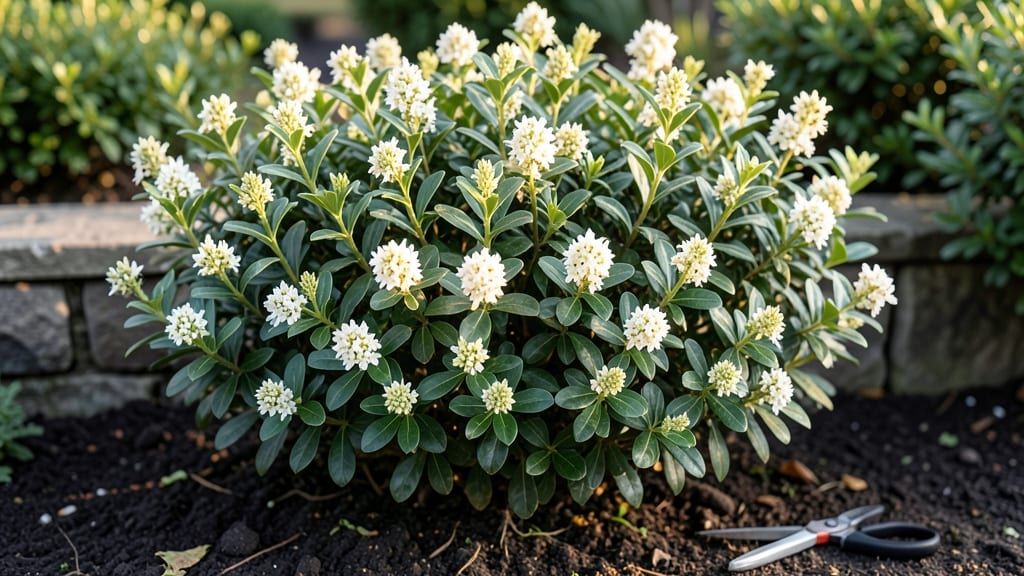
Your privet hedge flowering like crazy this year could start with just three simple adjustments. 🌿 I’ve watched my own privet hedge go from barely a whisper of blooms to a year-round show of white clusters by focusing on when—and how—not to prune.
The key? Timing that matches the plant’s natural rhythm, not your calendar.
Most gardeners prune privet in late winter or early spring, but that’s exactly when you’ll cut off next year’s flowers. Instead, wait until right after the blooms fade—usually late spring or early summer.
A light trim keeps the shape neat while encouraging new growth, and with the right fertilizer (low-nitrogen, high-phosphorus), you’ll trigger more buds than you can count.
By summer’s end, your hedge will be covered in fragrant white flowers that attract bees and stay vibrant well into fall. The secret isn’t heavy-handed pruning—it’s patient, strategic cuts that let the plant focus on blooming instead of recovering. Even non-flowering varieties can turn around with this approach.
Works for both formal hedges and loose, natural shapes—just avoid shearing back more than a third of the growth at once. Here’s how to make it happen without stressing the plant (or yourself).
📚 In This Guide
- What you need
- Instructions
- Tips and common mistakes
- Wrapping up and next steps
What you need
- ● Privet shrubs: Choose flowering varieties like Ligustrum japonicum or Ligustrum × vicaryi (3–5 plants per 5-foot section for a dense hedge). Opt for 1-gallon or 3-gallon containers for young plants or bare-root stock for cost savings.
- ● Soil amendments: Compost (1–2 bags per 10 sq. ft.) for improved drainage and nutrients.
- ● Slow-release fertilizer (e.g., 10-10-10 or 12-12-12, 1 lb per 10 sq. ft.) to kickstart growth.
- ● Mulch: 2–3 inches of shredded bark or pine straw per planting area to retain moisture and suppress weeds.
- ● Digging tools: Shovel (flat or round-point) for planting holes.
- ● Hedge shears (12–18 inches long) for shaping and pruning.
- ● Garden trowel for transplanting small plants.
- ● Measuring & layout: Measuring tape (for spacing plants 2–3 feet apart).
- ○ Stakes and twine (optional, for marking rows).
- ● Watering: Garden hose with soaker hose or sprinkler attachment (or a watering can for small projects).
- ● Erosion control: Landscape fabric under mulch if planting on a slope.
- ● Plant supports: Temporary stakes for young hedges in windy areas.
- ● Flowering boosters: Organic bloom enhancers (e.g., fish emulsion) for extra vibrant blooms.
- ● Seasonal care: Frost cloth (for early spring planting in cold climates) or anti-desiccant spray (for winter protection).
How to encourage privet hedges to flower year-round
With the right approach, your privet hedge can burst into fragrant blooms from spring through fall—no heavy pruning required.
☀️ Step 1: Position for Full Sun and Sheltered Airflow
Privet thrives in 6+ hours of direct sun daily, but it also needs protection from harsh winds that stress the plant. I plant mine along fences or walls where they get morning sunlight and afternoon shade from nearby structures. The key is finding that balance—too much shade reduces flowering, while constant wind exposure weakens stems.
If your hedge is in a windy spot, consider temporary windbreaks like burlap screens during the growing season. You’ll notice more buds forming when the foliage stays lush and undamaged. Avoid planting under large trees that compete for nutrients or drop heavy shade.
💧 Step 2: Water Deeply but Infrequently
Privet hedges are drought-tolerant once established, but flowering requires consistent moisture during the growing season. Water deeply once a week during dry spells, soaking the soil 12 inches down—this encourages deep root growth, which supports more blooms. I check by sticking my finger into the soil; if it feels dry past the first inch, it’s time to water.
Avoid wetting the leaves, especially in the evening. Fungal diseases like powdery mildew can reduce flowering, and damp foliage invites trouble. Instead, water at the base early in the day so the leaves dry quickly. Overwatering is worse than underwatering—privet roots rot easily in soggy soil.
✂️ Step 3: Light Pruning to Stimulate Blooms
Here’s the trick: prune lightly in late winter or early spring before new growth begins. I cut back about one-third of the oldest stems to encourage fresh, flowering growth. Avoid heavy pruning in summer—it stresses the plant and reduces blooms for the next season. Use clean, sharp shears to make cuts just above a leaf node.
If your hedge flowers poorly, look for leggy stems with sparse leaves. These are signs of over-pruning or poor light. Trim them back to encourage bushier, more productive growth. Never prune into old wood—privet flowers on new growth, so you’re essentially shaping the plant to produce more blooms.
🌿 Step 4: Feed for Continuous Blooming
Privet hedges benefit from a balanced, slow-release fertilizer in early spring and again after the first flush of flowers. I use a 10-10-10 formula, applying it lightly around the base and watering it in. The goal is to support steady growth without overfeeding, which can lead to leafy growth at the expense of flowers.
Watch for signs of nutrient deficiency: yellowing leaves mean more nitrogen, while sparse blooms might signal a need for phosphorus. If your hedge looks healthy but flowers poorly, a light application of bloom-boosting fertilizer in early summer can help. Avoid fertilizing in fall—it encourages tender growth that won’t survive winter.
⏰ Step 5: Protect from Pests and Diseases
Privet hedges are generally hardy, but aphids and spider mites can sap energy meant for flowering. I inspect plants weekly for sticky residue (aphids) or fine webbing (mites). If I spot them, I spray with a mix of water and mild soap or use neem oil—both are safe and effective. Healthy foliage means more energy for blooms.
Powdery mildew is another common issue, especially in humid climates. To prevent it, ensure good airflow and avoid overhead watering. If you see white powder on leaves, prune affected areas immediately and treat with a fungicide. A hedge free of pests and diseases will reward you with abundant, year-round blooms.
Tips & tricks for encouraging year-round privet blooms
These simple strategies will help you maximize flowering without overworking your hedge—just a few tweaks make all the difference.
Sunlight Strategy: In Step 1, if your hedge isn't getting full sun, consider moving it gradually over time rather than transplanting abruptly. Privet can handle partial shade but needs at least 4 hours of direct sunlight daily for consistent blooms. I've seen hedges in east-facing locations thrive with morning sun and afternoon shade—just avoid west-facing spots where afternoon heat can scorch leaves.
Watering Wisdom: For Step 2's weekly watering, use a garden trowel to check soil moisture at the 12-inch depth—this is the key to deep root development. I've found that watering in the early morning (between 6-9 AM) gives leaves plenty of time to dry, which prevents fungal issues. If you notice wilting despite regular watering, it might be time to check for root rot or compacted soil.
Pruning Precision: When you're pruning in Step 3, focus on creating an open, airy structure rather than just cutting back. I make my cuts at a 45-degree angle just above a leaf node to encourage new growth from that spot. For dense hedges, thin out the center first to improve airflow—this reduces disease risk and lets more light reach inner stems, which often means more blooms.
Fertilizer Timing: In Step 4, that second application after the first flush of flowers is crucial—it gives your hedge a mid-season boost without encouraging fall growth. I've had success with a slow-release bloom booster fertilizer (like 5-10-5) in early summer, which provides phosphorus for flowers without the nitrogen that promotes leafy growth. Always water thoroughly after applying to prevent root burn.
Pro Tips for Privet Hedge Flowering
- These simple strategies will help you maximize flowering without overworking your hedge—just a few tweaks make all th...
- Sunlight Strategy: In Step 1, if your hedge isn't getting full sun, consider moving it gradually over time rather tha...
- Watering Wisdom: For Step 2's weekly watering, use a garden trowel to check soil moisture at the 12-inch depth—this i...
Frequently asked questions
Got questions about keeping your privet hedge flowering beautifully year-round? Here are some common ones—and their answers—to help you grow with confidence!
When do privet hedges typically flower, and how can I encourage more blooms?
Privet hedges usually bloom in late spring to early summer (May–June), but some varieties—like Ligustrum × vicaryi—can produce sporadic flowers year-round. To encourage more blooms, prune lightly after flowering (never in fall/winter) and fertilize with low-nitrogen, high-phosphorus fertilizer in early spring. Avoid overwatering, as soggy soil can stress the plant.
Will pruning my privet hedge reduce its flowering?
Pruning doesn’t stop flowering, but timing matters! Heavy pruning right before the blooming season can remove next year’s flower buds. Instead, prune immediately after flowering (July–August) to shape the hedge while preserving future blooms. For a year-round display, opt for Ligustrum sinense or Ligustrum japonicum, which are more forgiving with light pruning.
Are there flowering privet alternatives that require even less maintenance?
Yes! If privet feels high-maintenance, try these low-effort flowering hedges:
- Abelia (Abelia × grandiflora) – Blooms spring to fall, drought-tolerant, and thrives with minimal pruning.
- Dwarf Fothergilla (Fothergilla gardenii) – Fragrant spring blooms, compact size, and no annual pruning needed.
- Boxwood (Buxus sempervirens) – Evergreen, slow-growing, and can be trained to flower with occasional pruning (though not as prolific as privet).
For zero-pruning options, consider Lonicera nitida (evergreen honeysuckle) or Pieris japonica (andromeda).
Why aren’t my privet hedge flowers opening, and how do I fix it?
If your privet has buds but won’t open, check these common issues:
- Cold damage – Late spring frosts can shock buds. Mulch the base in winter and protect young plants with frost cloth.
- Over-fertilization – Too much nitrogen = leafy growth, fewer flowers. Switch to a balanced 10-10-10 or bloom-boosting 5-10-10 fertilizer.
- Pests/disease – Spider mites or fungal issues (like powdery mildew) can stress the plant. Spray with neem oil or prune infected branches immediately.
- Poor sunlight – Privet needs 6+ hours of sun daily. If shaded, move it or supplement with a grow light for indoor hedges.
If the problem persists, your privet may be overcrowded—thin out branches to improve airflow.
Can I grow a flowering privet hedge in containers, and what’s the best variety?
Dwarf varieties like Ligustrum × vicaryi ‘Loddon Pink’ or Ligustrum japonicum ‘Rotundifolium’ thrive in containers (15+ gallon pots). For best results:
- Use well-draining potting mix with perlite.
- Water when the top 1–2 inches of soil are dry (containers dry faster!).
- Fertilize monthly in spring/summer with a half-strength liquid bloom booster.
- Place in full sun to partial shade (avoid harsh afternoon sun in hot climates).
Pro tip: Rotate the pot every few weeks so all sides get even light!
Wrapping up and next steps
A privet hedge flowering isn’t just a dream—it’s a rewarding reality with the right care! 🌸 From understanding its natural blooming cycles to mastering low-maintenance pruning, you now have the tools to enjoy vibrant, year-round color with minimal effort.
Your hedge can be the star of your landscape, offering beauty and tranquility without the fuss.
Ready to transform your outdoor space? Start by observing your privet’s growth this season and tweak your approach based on what you learn.
Whether it’s adjusting pruning times or adding a little extra love, every small step brings you closer to a lush, blooming hedge that turns heads—and requires almost no extra work!